

Subscribe To Our Newsletter!
Subscribe to the newsletter to stay up to date with the latest news and most useful
Newsletter
↑
Back to Top



Product Overview |
|---|
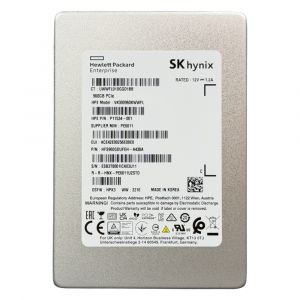
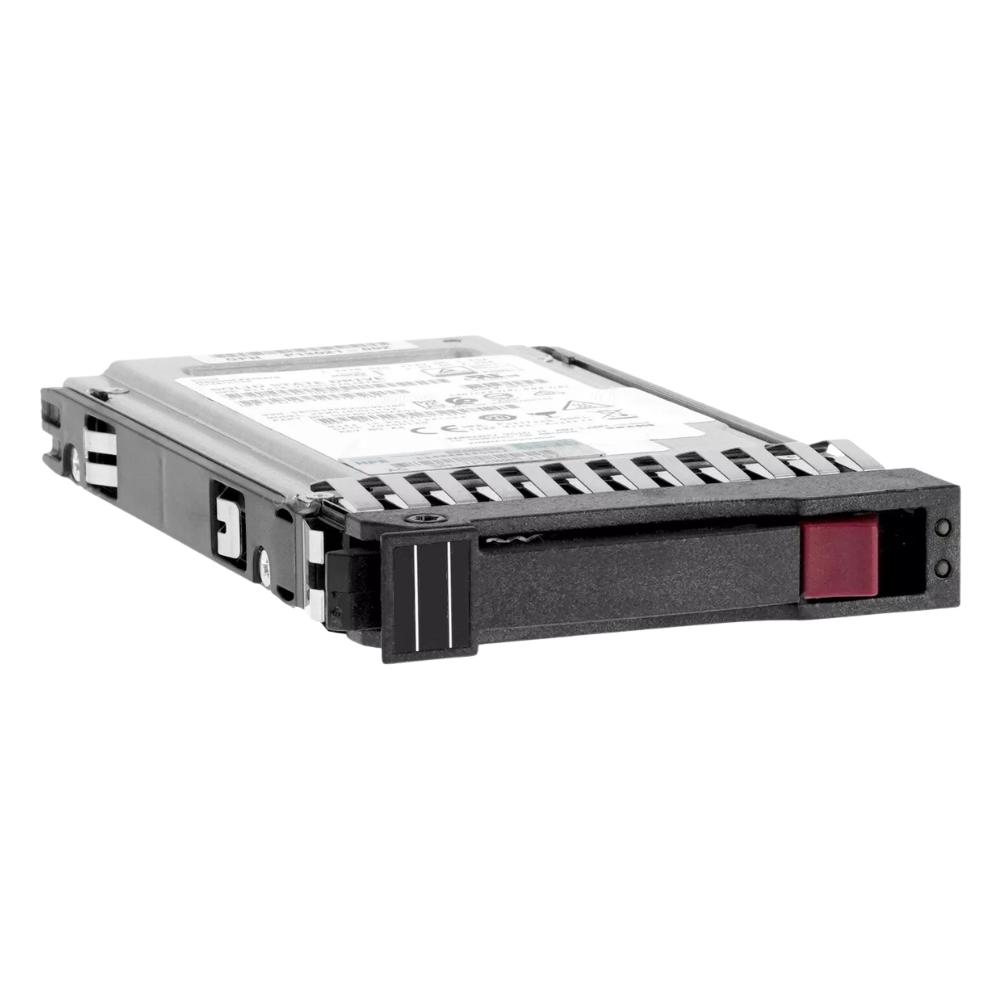
The R7S81A HPE 23TB 12 x 1.92TB RI NVMe SSD Drive Bundle includes twelve 1.92TB read-intensive NVMe SSDs designed to deliver a combined 23TB of storage. It fits within HPE storage architectures requiring multiple NVMe drives configured for high capacity and read-focused applications. |
General Information |
|
|---|---|
| Brand | HPE |
Technical Information |
|
|---|---|
| Capacity | 1.92TB |
| Hot Swappable | Yes |
| Hot Pluggable | Yes |
Physical Characteristics |
|
|---|---|
| Weight | 0.60 |
| Condition | Refurbished |
Miscellaneous |
|
|---|---|
| Compliance Standards | WEEE, RoHS, CE, FCC |
Product Description |
|---|
The R7S81A HPE 23TB 12 x 1.92TB RI NVMe SSD Drive Bundle provides a collection of twelve 1.92TB NVMe solid-state drives totaling 23TB of storage capacity. It is designed to enhance storage performance and capacity in compatible HPE storage systems. This bundle is typically utilized in enterprise environments where high-capacity, read-intensive storage is required. IT administrators and technical buyers involved in storage infrastructure procurement benefit from this solution. Key Features
This bundle provides a scalable solution to increase storage density while maintaining a focus on read-intensive workloads. It supports HPE’s storage environment needs by offering a consolidated package of drives that simplify procurement and deployment. |
Use Cases |
|---|
This drive bundle is primarily used in enterprise storage environments where large-scale read-intensive data processing is essential. It is suitable for data centers managing workloads such as database querying, analytics, and caching requiring solid-state storage density. How It's Used:
This bundle serves as a practical component for scaling and optimizing storage infrastructures by delivering multiple NVMe SSDs in a single procurement package. It supports operational demands focused on read-heavy data access patterns. |
FAQ's |
|---|
|
 Shipping Options
 International Delivery
Requires a UPS, FedEx, or DHL account. Customers may arrange pickup from our US warehouse.
International Delivery
Requires a UPS, FedEx, or DHL account. Customers may arrange pickup from our US warehouse.
 Payment Methods
We accept Visa, Mastercard, AMEX, Discover, and Wire Transfer.
Payment Methods
We accept Visa, Mastercard, AMEX, Discover, and Wire Transfer.
 Purchase Orders
We process purchase orders for government agencies, enterprises, data centers, and SMBs.
Purchase Orders
We process purchase orders for government agencies, enterprises, data centers, and SMBs.