

Subscribe To Our Newsletter!
Subscribe to the newsletter to stay up to date with the latest news and most useful
Newsletter
↑
Back to Top



Product Overview |
|---|
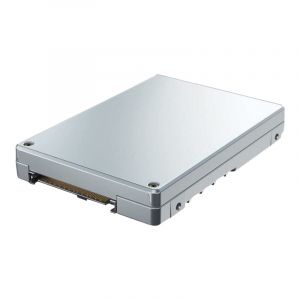
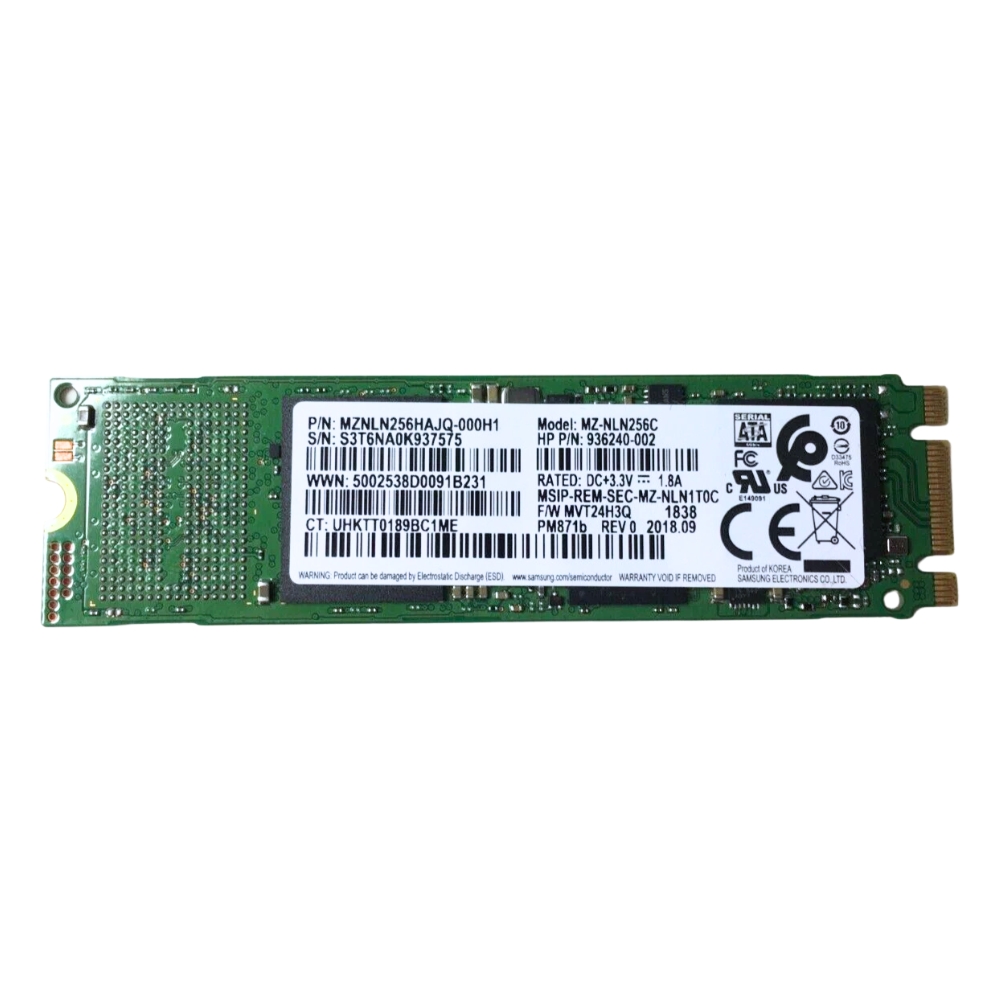
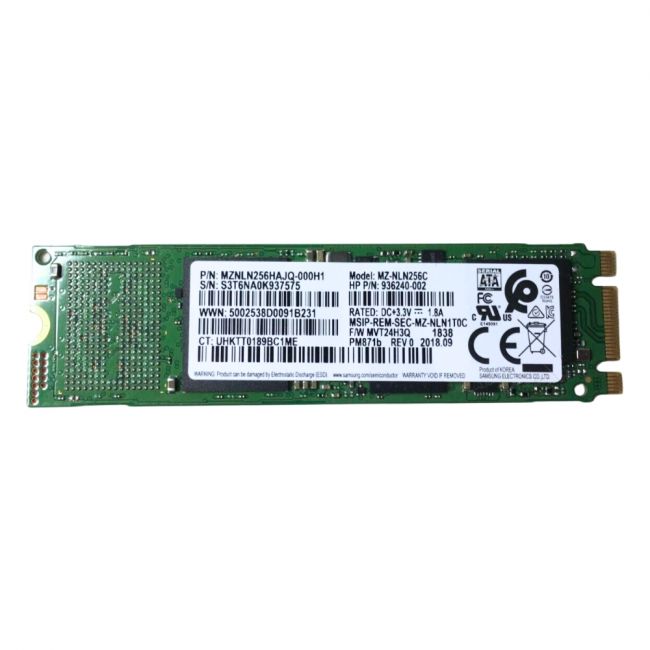
The Samsung PM871a 256GB TLC SATA M.2 2280 SSD provides solid state storage using TLC NAND memory technology. It connects via the SATA 6Gb/s interface and fits the M.2 2280 form factor, making it suitable for client systems requiring standard SATA SSD storage. |
General Information |
|
|---|---|
| Brand | Samsung |
Technical Information |
|
|---|---|
| Capacity | 256GB |
| NAND Flash | 3D V-NAND (Samsung TLC) |
| Memory Technology | Triple-Level Cell (TLC) |
| Form Factor | M.2 2280 |
| Interface | SATA 6GB/s |
| Hot Swappable | No |
| Hot Pluggable | No |
Physical Characteristics |
|
|---|---|
| Dimensions | 3.58 x 22 x 80 mm |
| Weight | 0.60 |
| Condition | Refurbished |
Product Description |
|---|
The Samsung PM871a MZNLN256HAJQ-000H1 is a 256GB solid state drive featuring TLC NAND flash memory. It utilizes the SATA 6Gb/s interface and fits the M.2 2280 form factor, making it suitable for client storage applications such as notebooks and compact desktop systems. This SSD is designed to provide consistent storage performance within environments where SATA interface drives are compatible. It is typically employed by IT professionals and system integrators looking for reliable internal storage solutions. Key Features
This SSD serves as an internal storage device that offers a balance of capacity and SATA interface compatibility. It fits systems requiring standard M.2 SATA drives and supports typical client workloads without specialized features beyond the supplied specifications. |
Use Cases |
|---|
The Samsung PM871a MZNLN256HAJQ-000H1 is commonly used in client devices such as laptops and small form factor desktops that support SATA M.2 drives. It is suited for general storage needs where SATA interface SSDs are compatible and capacity around 256GB is sufficient. How It's Used:
This SSD fills the operational role of delivering reliable SATA-based storage within supported devices. It is deployed where the balance of capacity, interface, and form factor matches the system requirements without the need for NVMe or other specialized protocols. |
FAQ's |
|---|
|
 Shipping Options
 International Delivery
Requires a UPS, FedEx, or DHL account. Customers may arrange pickup from our US warehouse.
International Delivery
Requires a UPS, FedEx, or DHL account. Customers may arrange pickup from our US warehouse.
 Payment Methods
We accept Visa, Mastercard, AMEX, Discover, and Wire Transfer.
Payment Methods
We accept Visa, Mastercard, AMEX, Discover, and Wire Transfer.
 Purchase Orders
We process purchase orders for government agencies, enterprises, data centers, and SMBs.
Purchase Orders
We process purchase orders for government agencies, enterprises, data centers, and SMBs.