

Subscribe To Our Newsletter!
Subscribe to the newsletter to stay up to date with the latest news and most useful
Newsletter
↑
Back to Top



Product Overview |
|---|
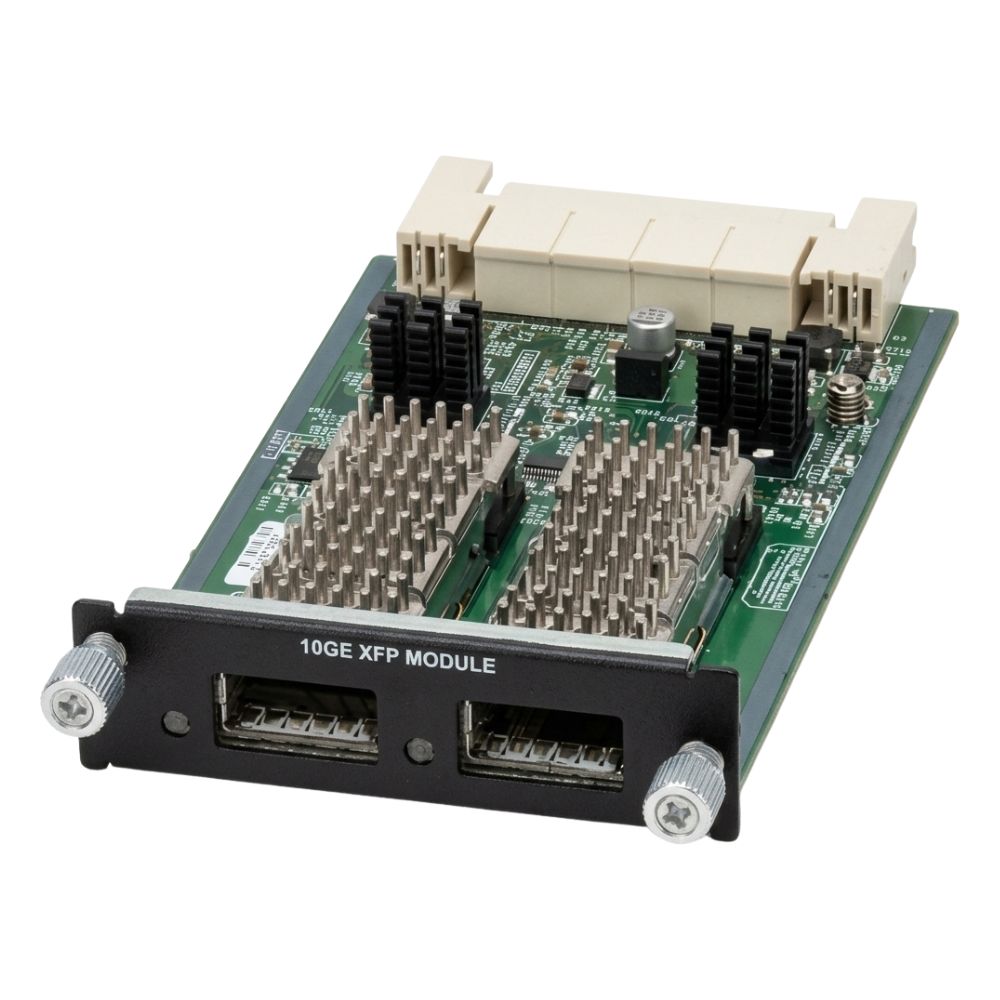
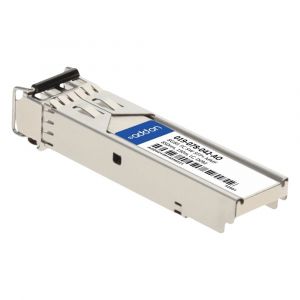
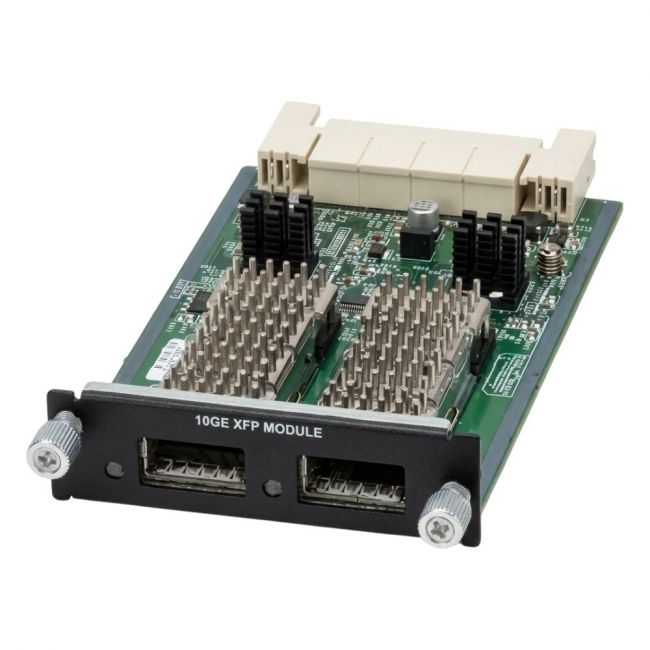
The Dell PowerConnect 2-Ports XFP Switch Module offers two 10 Gigabit Ethernet XFP ports for expanding the port density of compatible Dell PowerConnect switches. It features a hot-swappable design that simplifies installation and maintenance without interrupting network operations. |
General Information |
|
|---|---|
| Brand | Dell |
Technical Information |
|
|---|---|
| Ports | 2 |
| Compatibility | Dell PowerConnect switches |
| Data Transfer Rate | 10 Gbps |
| Connector Type | XFP |
Physical Characteristics |
|
|---|---|
| Condition | Refurbished |
Miscellaneous |
|
|---|---|
| Assembly Required | No |
Product Description |
|---|
The Dell PowerConnect 2-Ports XFP Switch Module (PD111) provides high-speed 10 Gigabit Ethernet connectivity through two XFP interfaces. It is designed to integrate seamlessly with compatible Dell PowerConnect switches, expanding network capacity and performance. This module is typically used in enterprise and data center environments where high bandwidth and low latency are required for critical network applications. Network administrators and IT professionals deploy this module to scale network infrastructure efficiently. Key Features
This switch module enhances network flexibility by providing additional high-speed ports to Dell PowerConnect switches. Its hot-swappable capability ensures minimal downtime during maintenance or upgrades, supporting continuous network availability. The module plays a crucial role in scaling network capacity as organizational needs grow. |
Use Cases |
|---|
This module is typically employed in enterprise and data center networks requiring 10 Gigabit Ethernet connectivity. It suits environments where increased bandwidth and port capacity are necessary to support demanding applications and large data flows. How It's Used:
Overall, the module enables organizations to expand their network capabilities efficiently while maintaining operational continuity. It serves as a key component for optimizing network performance in environments with evolving connectivity requirements. |
FAQ's |
|---|
|
 Shipping Options
 International Delivery
Requires a UPS, FedEx, or DHL account. Customers may arrange pickup from our US warehouse.
 Payment Methods
We accept Visa, Mastercard, AMEX, Discover, and Wire Transfer.
 Purchase Orders
We process purchase orders for government agencies, enterprises, data centers, and SMBs.