

Subscribe To Our Newsletter!
Subscribe to the newsletter to stay up to date with the latest news and most useful
Newsletter
↑
Back to Top



Product Overview |
|---|
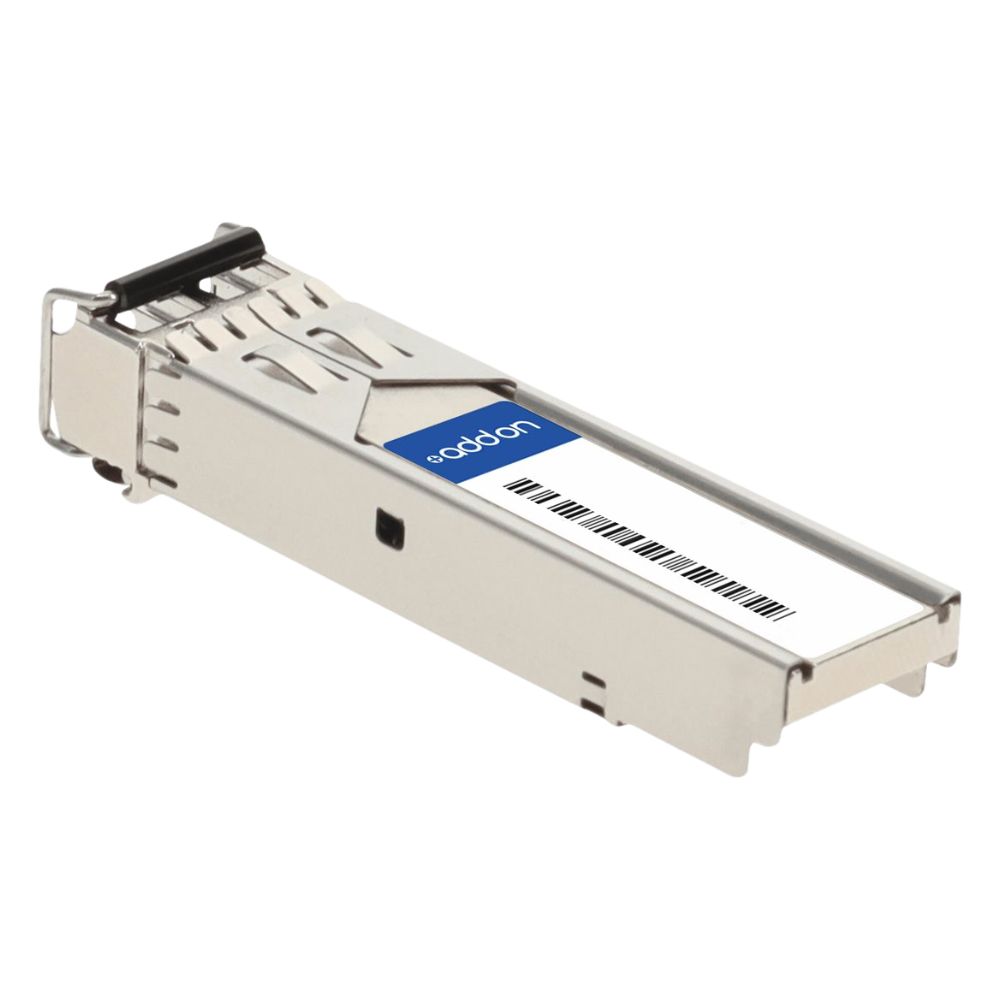
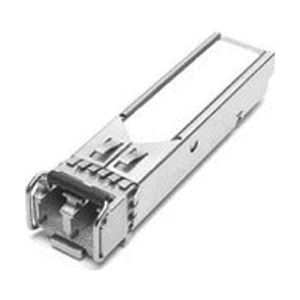
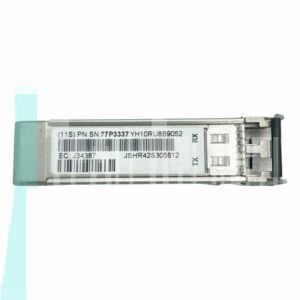
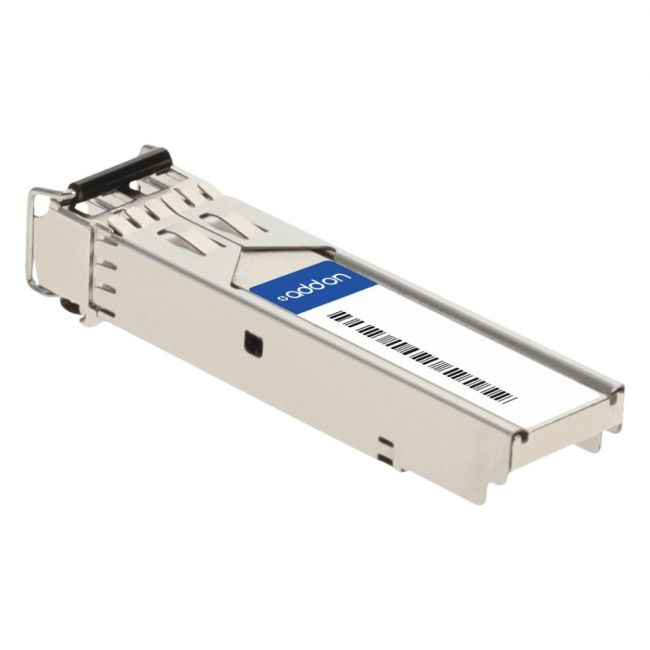
The AddOn ISFP-GIG-LX-I-AO transceiver enables 1 Gigabit Ethernet connectivity over single-mode fiber using the LX standard. It supports transmission distances up to 10 kilometers with an LC duplex connector interface, fitting into standard SFP slots for network devices. |
General Information |
|
|---|---|
| Brand | AddOn Networks |
Technical Information |
|
|---|---|
| Form Factor | SFP |
| Media | SMF |
| Type | LX |
| Protocols | 1000BASE-LX, Gigabit Ethernet |
| Connector | LC Duplex |
Physical Characteristics |
|
|---|---|
| Weight | 3.00 |
| Condition | Refurbished |
Product Description |
|---|
The AddOn ISFP-GIG-LX-I-AO is a 1 Gigabit LX SFP transceiver module designed for optical fiber communication over distances up to 10 kilometers. It utilizes a duplex LC connector and is suitable for integration into network equipment with SFP ports supporting 1G speeds. This transceiver is typically used in enterprise and data center environments where optical connections are required between switches, routers, or servers over extended distances. Network administrators and IT professionals benefit from its standardized form factor and interface compatibility. Key Features
This module provides a reliable optical link option for Ethernet networks requiring medium-range connectivity. By using standardized connectors and speeds, it allows for flexible network design and maintenance while ensuring compatibility with existing infrastructure supporting 1G LX transceivers. |
Use Cases |
|---|
The ISFP-GIG-LX-I-AO transceiver is typically deployed in enterprise network environments and data centers requiring fiber optic links between network switches, routers, or servers. It supports 1G Ethernet connections over single-mode fiber for medium-range communication needs. How It's Used:
Overall, this transceiver module serves as a standard optical interface component, enabling network operators to extend Ethernet connectivity with established fiber optic technology and maintain device interoperability. |
FAQ's |
|---|
|
 Shipping Options
 International Delivery
Requires a UPS, FedEx, or DHL account. Customers may arrange pickup from our US warehouse.
 Payment Methods
We accept Visa, Mastercard, AMEX, Discover, and Wire Transfer.
 Purchase Orders
We process purchase orders for government agencies, enterprises, data centers, and SMBs.