

Subscribe To Our Newsletter!
Subscribe to the newsletter to stay up to date with the latest news and most useful
Newsletter
↑
Back to Top



Product Overview |
|---|
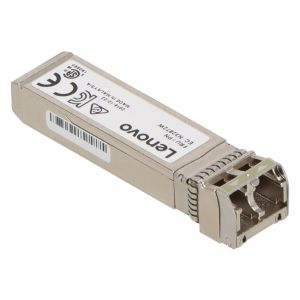
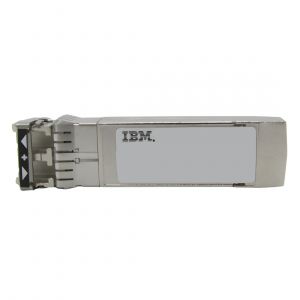
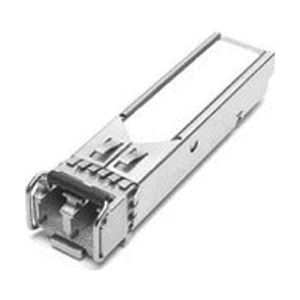
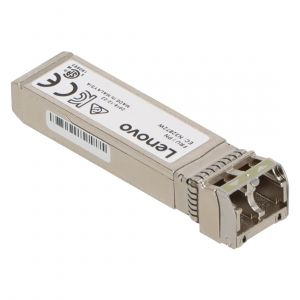
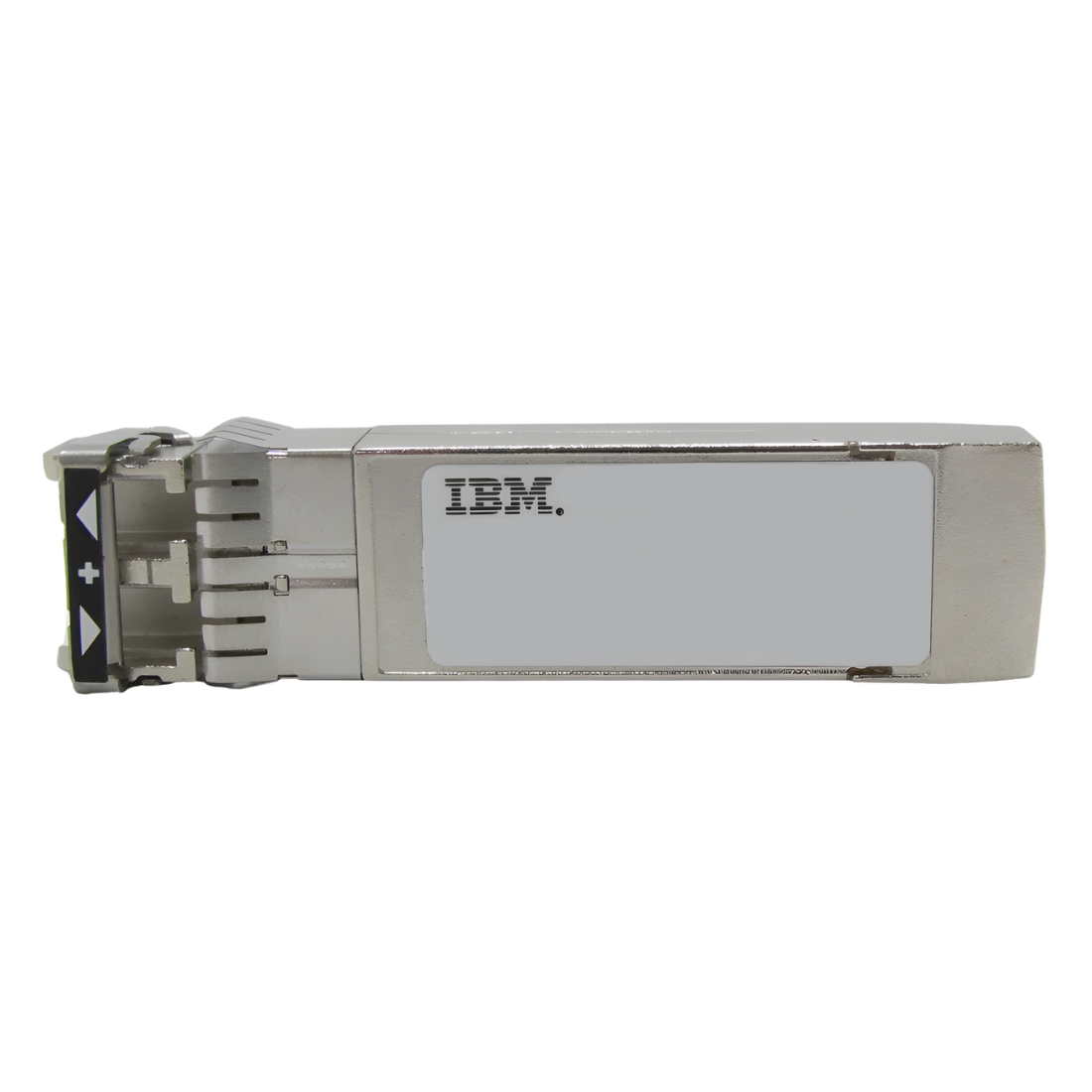
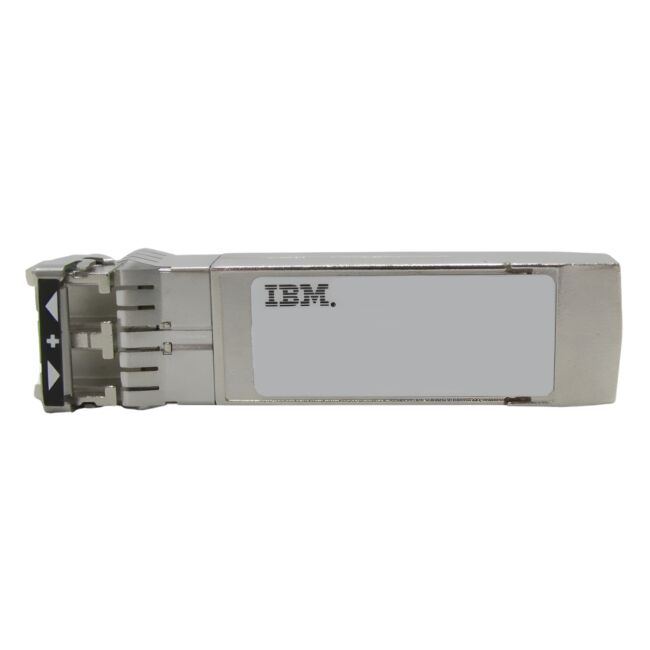
The IBM 4Gb/s Shortwave SFP Transceiver Module is a hot-pluggable optical interface used in Fibre Channel networks. It delivers 4 Gigabit per second data rates over shortwave fiber optic cables and fits into SFP slots on compatible IBM devices, enabling optical connectivity for storage area networks. |
General Information |
|
|---|---|
| Brand | IBM |
Technical Information |
|
|---|---|
| Form Factor | SFP |
| Media | MMF |
| Type | VCSEL |
| Protocols | Fibre Channel (4Gb/s) |
| Connector | LC Duplex |
| DOM Support | No |
Physical Characteristics |
|
|---|---|
| Weight | 3.00 |
| Condition | Refurbished |
Product Description |
|---|
The IBM 4Gb/s Shortwave SFP Transceiver Module (part number 23R3471) is designed to provide optical connectivity for Fibre Channel storage area networks. It facilitates data transmission over shortwave fiber optic cables at 4 Gigabit per second, helping to extend network reach within enterprise IT environments. This transceiver is typically utilized by network administrators and IT professionals managing storage solutions and SAN infrastructures requiring optical fiber connections. Key Features
This transceiver module enables efficient integration of optical links into Fibre Channel SANs, supporting necessary data throughput and connectivity. Its modular design simplifies maintenance and network upgrades within fiber optic infrastructures. |
Use Cases |
|---|
This transceiver module is typically used in enterprise storage environments requiring fiber optic connections to SAN equipment. It suits setups where medium-distance 4Gbps Fibre Channel links are needed, often found in data centers managing large-scale storage arrays. How It's Used:
In operation, this transceiver provides the necessary optical interface to maintain data flow in Fibre Channel SANs, allowing flexible network design and streamlined maintenance processes within enterprise IT settings. |
FAQ's |
|---|
|
 Shipping Options
 International Delivery
Requires a UPS, FedEx, or DHL account. Customers may arrange pickup from our US warehouse.
 Payment Methods
We accept Visa, Mastercard, AMEX, Discover, and Wire Transfer.
 Purchase Orders
We process purchase orders for government agencies, enterprises, data centers, and SMBs.