

Subscribe To Our Newsletter!
Subscribe to the newsletter to stay up to date with the latest news and most useful
Newsletter
↑
Back to Top



Product Overview |
|---|
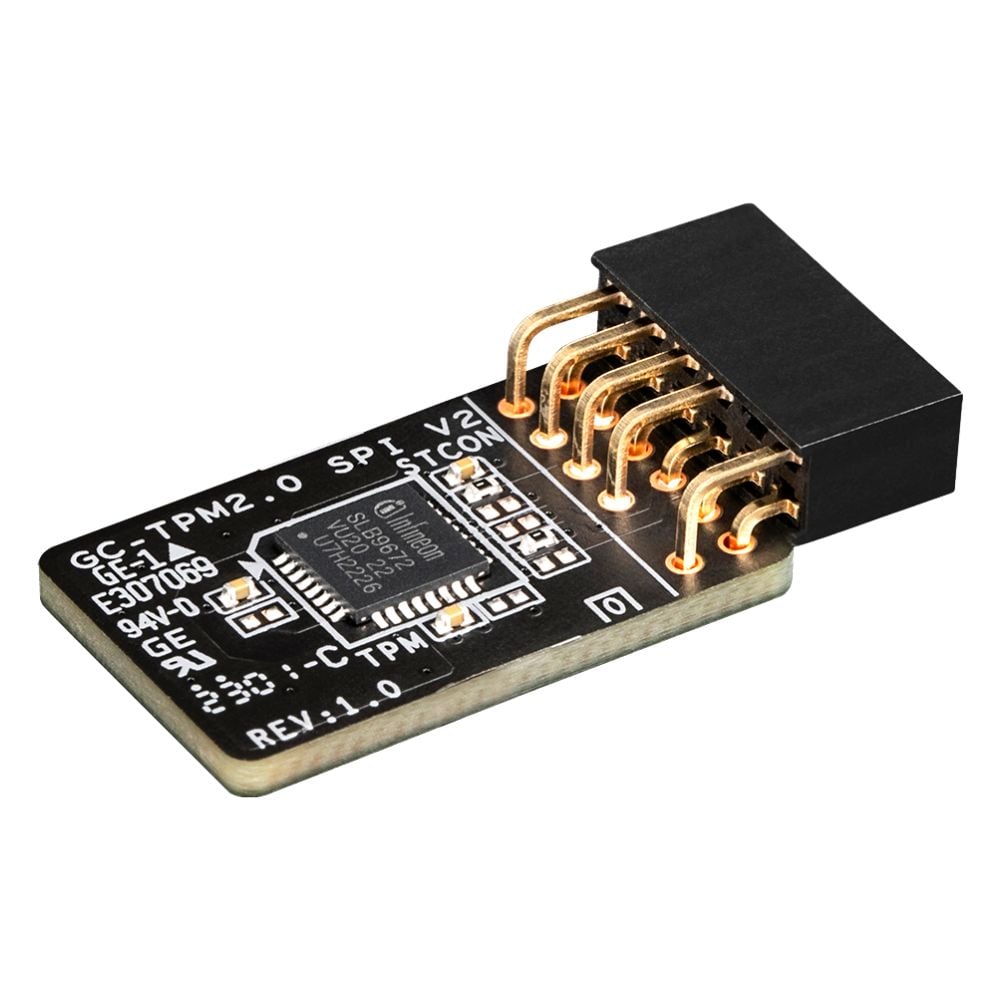
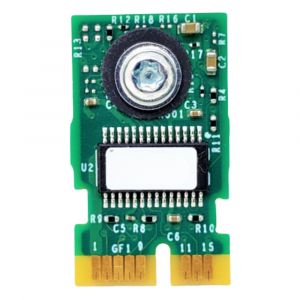
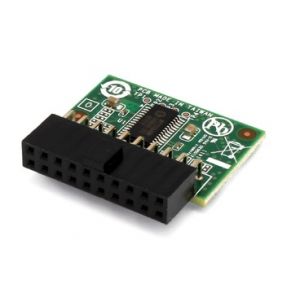
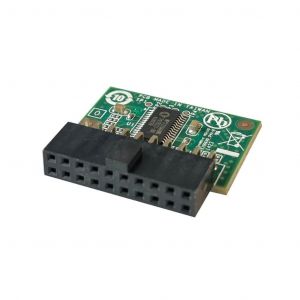
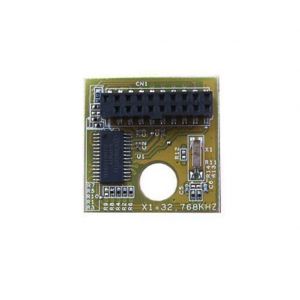
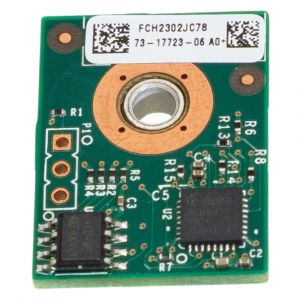
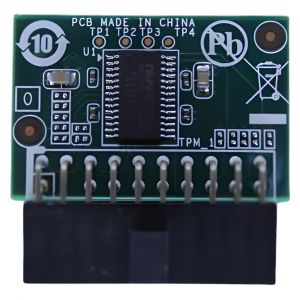
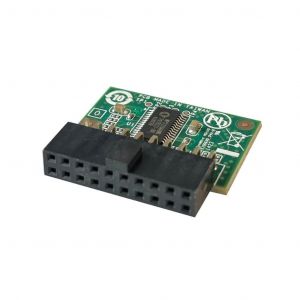
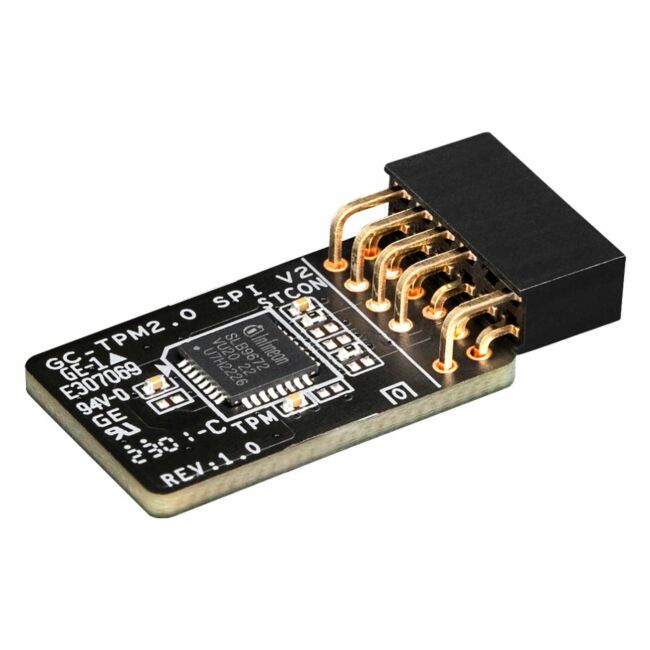
The GC-TPM2.0 SPI V2 Gigabyte SPI Bus Trusted Platform Module offers hardware-based security by implementing TPM 2.0 standards. It connects through the SPI bus to compatible Gigabyte motherboards, providing cryptographic functions such as key storage, secure generation, and platform integrity verification. |
General Information |
|
|---|---|
| Brand | Gigabyte |
Technical Information |
|
|---|---|
| tpm_interface | SPI |
| TPM Version | TPM 2.0 |
| Compatibility | Gigabyte motherboards with TPM SPI header |
Miscellaneous |
|
|---|---|
| Assembly Required | No |
| Compliance Standards | RoHS, CE |
Physical Characteristics |
|
|---|---|
| Form Factor | SPI TPM module |
| Weight | 3.00 |
| Condition | Refurbished |
Product Description |
|---|
The GC-TPM2.0 SPI V2 is a Trusted Platform Module conforming to the TPM 2.0 standard, designed to provide hardware-based security functions. It interfaces through the SPI bus, allowing integration with compatible Gigabyte motherboards to enable platform integrity and secure cryptographic operations. This module is typically used in desktop and server environments where hardware-level security is necessary, including secure boot processes, encryption key management, and platform attestation. IT professionals and system integrators utilize this TPM module to strengthen the security posture of compatible computer systems. Key Features
This TPM module plays a critical role in enforcing hardware-based security policies and protecting sensitive information. By embedding cryptographic keys and offering secure processing, it helps safeguard systems against unauthorized access and firmware tampering. |
Use Cases |
|---|
The GC-TPM2.0 SPI V2 is typically deployed in desktop or server systems that require enhanced hardware-level security. It is suited for environments where secure boot, data encryption, and trusted computing are necessary to protect sensitive workloads and system integrity. How It's Used:
This module supports the operational security of systems by providing a physical root of trust. It is an essential component in setups requiring hardware-backed authentication and protection against firmware attacks. |
FAQ's |
|---|
|
 Shipping Options
 International Delivery
Requires a UPS, FedEx, or DHL account. Customers may arrange pickup from our US warehouse.
 Payment Methods
We accept Visa, Mastercard, AMEX, Discover, and Wire Transfer.
 Purchase Orders
We process purchase orders for government agencies, enterprises, data centers, and SMBs.