

Subscribe To Our Newsletter!
Subscribe to the newsletter to stay up to date with the latest news and most useful
Newsletter
↑
Back to Top



Product Overview |
|---|
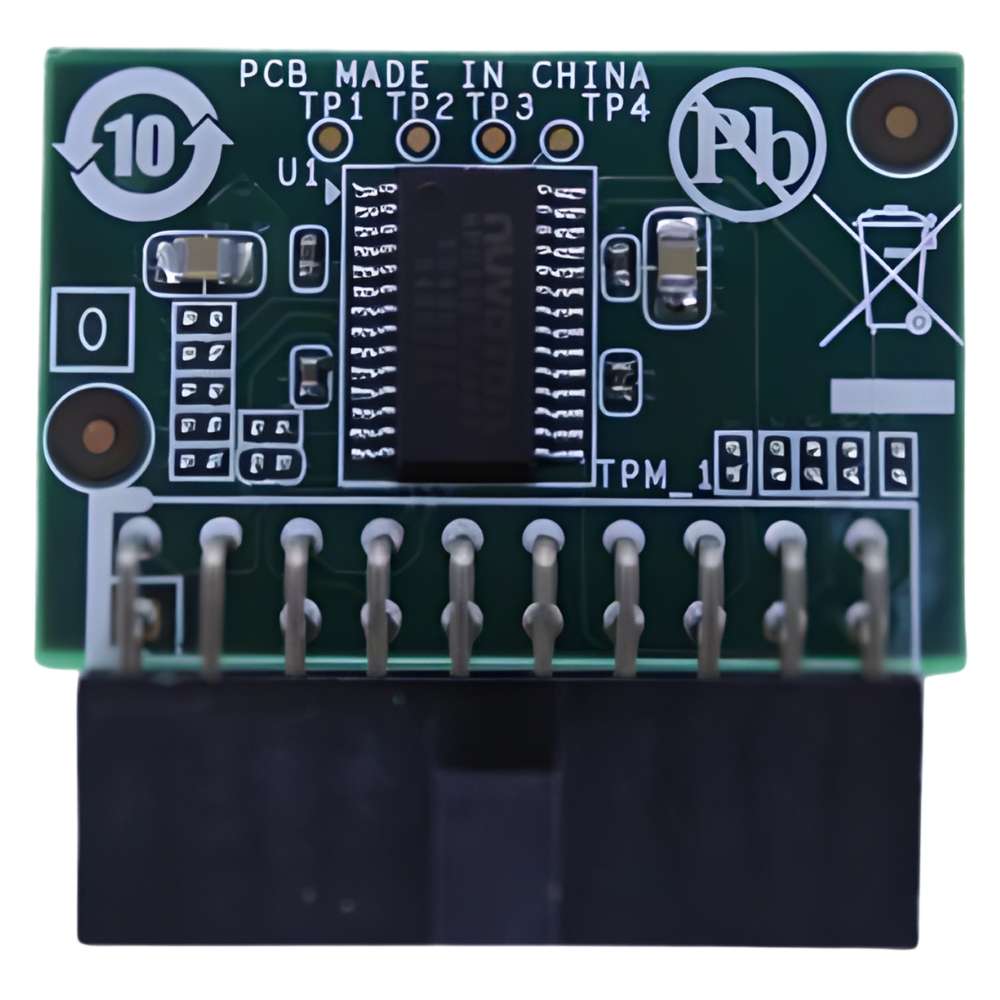
The Lenovo TPM 2.0 Module adds hardware-based security to compatible Lenovo devices by securely managing encryption keys and supporting secure boot. It's designed to fit into Lenovo laptops and desktops, helping users protect sensitive data and maintain system integrity without relying solely on software solutions. |
General Information |
|
|---|---|
| Brand | Lenovo |
| Part Number | 00PH455 |
| Alternate Part Number | 00PH455-12-CT |
Technical Information |
|
|---|---|
| TPM Version | TPM 2.0 |
Physical Characteristics |
|
|---|---|
| Weight | 3.00 |
| Condition | Refurbished |
Product Description |
|---|
The Lenovo TPM 2.0 Module is built to provide an extra layer of security for your Lenovo computer by securely storing cryptographic keys and sensitive data. It plays a crucial role in protecting your system against unauthorized access, ensuring data integrity, and enabling secure authentication processes. Often found in business laptops and desktops, this TPM module is commonly used by organizations and individuals who prioritize system security and data protection. IT administrators and security-conscious users benefit from its hardware-based security that complements software defenses. Key Features
This module is typically deployed in corporate environments or personal-use systems requiring reliable security measures. It helps ensure that sensitive information stays protected even if the system is compromised physically or digitally. With this TPM 2.0 module installed, Lenovo systems gain a robust foundation for trusted computing, aiding in compliance and bolstering overall cybersecurity. |
Use Cases |
|---|
The 00PH455 Lenovo TPM 2.0 Module is used to enhance system security by providing a dedicated hardware environment for secure cryptographic operations. How It's Used:
This module is ideal for businesses and professionals requiring enhanced data protection and compliance with security standards. |
 Shipping Options
 International Delivery
Requires a UPS, FedEx, or DHL account. Customers may arrange pickup from our US warehouse.
International Delivery
Requires a UPS, FedEx, or DHL account. Customers may arrange pickup from our US warehouse.
 Payment Methods
We accept Visa, Mastercard, AMEX, Discover, and Wire Transfer.
Payment Methods
We accept Visa, Mastercard, AMEX, Discover, and Wire Transfer.
 Purchase Orders
We process purchase orders for government agencies, enterprises, data centers, and SMBs.
Purchase Orders
We process purchase orders for government agencies, enterprises, data centers, and SMBs.