

Subscribe To Our Newsletter!
Subscribe to the newsletter to stay up to date with the latest news and most useful
Newsletter
↑
Back to Top


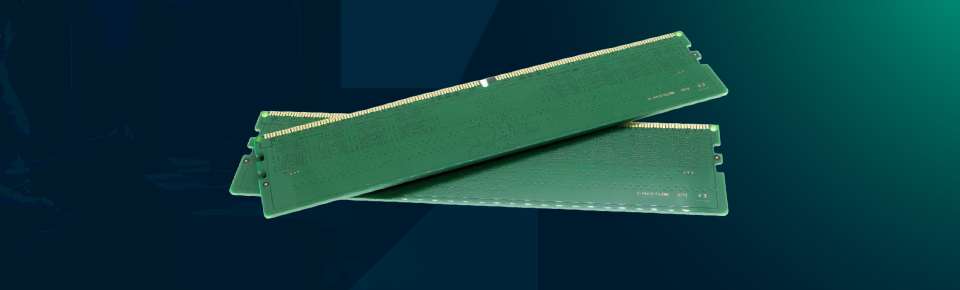
DDR5 has officially moved from “next-gen” to everyday reality in desktop computing. As DDR4 platforms age out, most users are not chasing extreme speeds - they want stable, predictable upgrades that simply work. This Samsung DDR5-4800MHz C40 Desktop Memory takes a grounded look at what baseline DDR5 delivers in real systems.
Running at the JEDEC-standard 4800 MT/s, this module represents the foundation of modern desktop memory. Tech Atlantix reviews this product with practical intent, focusing on real workloads rather than marketing hype. This review is written for upgraders, professionals, and system builders who value long-term stability over experimental performance.memory
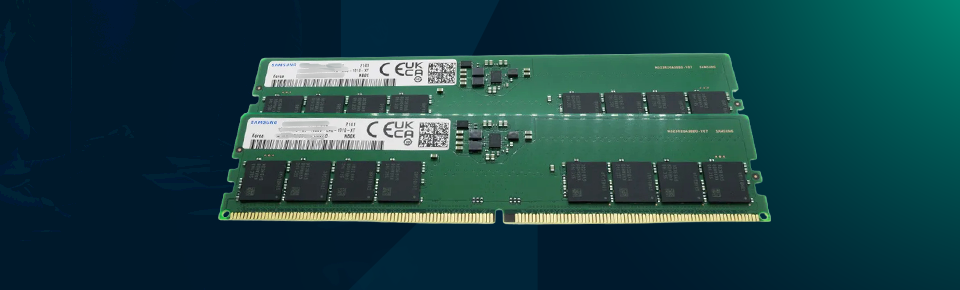
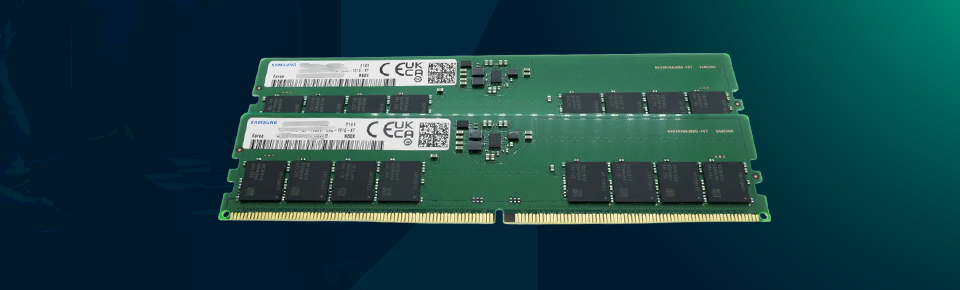
Prior to in-depth dissection of performance, it is crucial to be aware about this Samsung DDR5 memory’s technical spec-sheet and the manifestation of these specifications into practical use.
These specs present Samsung DDR5-4800 a prudent, standards-aligned, stable option.
DDR5 introduces meaningful design changes, and Samsung’s 4800 MT/s module reflects those updates clearly. One of the most discussed features is on-die ECC. This function operates internally within the memory chips to correct minor bit-level errors before they cause instability. It is important to clarify that this is not the same as full system-level ECC used in servers.
Another major change is the on-module power management IC. DDR5 enhances power consistency and diminishes electrical noise by transferring voltage management from the motherboard to the memory module. DDR5 increases bank groups and parallelism, resulting in improved efficiency during multitasking operations. These changes focus less on raw speed and more on controlled, reliable operation.
In actual application, Samsung DDR5-4800MHz C40 Desktop Memory provides reliable and constant response. Daily office duties are more efficient, characterized by fast context switching between programs and improved management of concurrent background operations.
Multitasking is most advantageous, particularly when combined with contemporary Intel or AMD CPUs that can leverage the enhanced bandwidth. Light content creation, whether photo editing or software compilation, demonstrates slight yet reasonable improvements compared to DDR4 devices. Nevertheless, expectations must be grounded in realism. This is standard DDR5, not an optimized performance kit. Gaming and GPU-constrained tasks may have minimal enhancement. The storage speed, CPU architecture, and software optimization remain important factors in overall system performance.
Compatibility is where many DDR5 upgrades face failures, and Samsung’s JEDEC-compliant design keeps things straightforward. This memory requires a motherboard with native DDR5 UDIMM support, as DDR4 and DDR5 slots are not compatible. BIOS updates may be required, especially on early DDR5 boards. Both Intel and AMD platforms support DDR5, but support differs by chipset and generation, making motherboard validation essential.
Installation itself is familiar and straightforward, same as previous memory upgrades. Usual mistakes involve assuming DDR5 works on older boards or combining DDR4 and DDR5 modules, which is not viable. Proactively confirming platform compatibility mitigates unwanted troubleshooting.
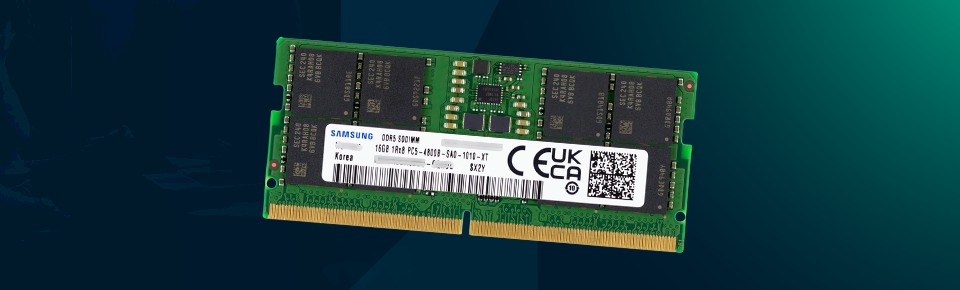
Stability is the defining strength of Samsung DDR5-4800 memory. Fast JEDEC-standard running minimizes stress on memory controller and module. Long-term reliability is enhanced by the integrated PMIC's voltage stability. DDR5's lower voltage improves system power efficiency compared to DDR4. Even with extended use, desktop workloads produce little heat. Unlike high-frequency kits that may require manual tuning or additional cooling, this module operates comfortably within standard airflow setups. For systems expected to run for long hours, base-speed DDR5 remains the safer choice.
DDR5 reliability features are often misunderstood, particularly on-die ECC. In Samsung DDR5-4800 modules, on-die ECC improves internal error handling within the DRAM chips themselves. It helps correct small errors before they affect system stability. However, it does not replace full ECC memory used in enterprise servers.
For professional users, this distinction matters. What this module offers is improved reliability over DDR4, not enterprise-grade fault tolerance. JEDEC compliance further ensures predictable behavior across supported platforms. For mainstream professionals and system builders, this balance delivers meaningful reliability without unnecessary cost.
From a value perspective, Samsung DDR5-4800MHz C40 Desktop Memory holds a practical stance in the present market. It dodges the superior costs linked to high-speed DDR5 kits while still offering the basic benefits of the latest standard. Samsung's high expertise in semiconductor production instills assurance, particularly for professional and OEM implementations.
Durability is an additional benefit. With the ongoing proliferation of DDR5, 4800 MT/s continues to be extensively supported and pertinent. For several users, incurring additional costs for elevated frequencies yields diminishing returns. In practical applications, this memory provides consistent performance that corresponds effectively with its cost and intended purpose.
Selecting DDR5 memory becomes easier when approached methodically:
· Step 1: Verify that your motherboard expressly accommodates DDR5 UDIMM modules.
· Step 2: Determine your principal burden, be it administrative activities, software development, or content generation.
· Step 3: Determine whether stability or performance optimization is of greater importance, as base-speed DDR5 prioritizes reliability.
· Step 4: Select reputable manufacturers that meet JEDEC standards for predictable system behavior.
Complying to these stages confirms that your memory selection aligns with both your system specifications and long-term usage objectives.
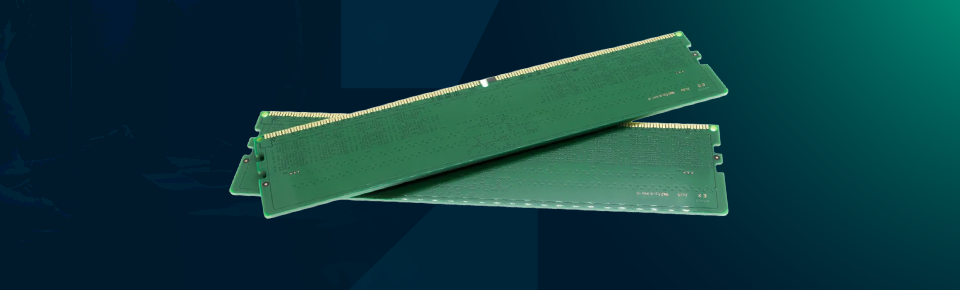
Every product has strengths and limitations, and this module is no exception.
Overall, the balance strongly favors users who value consistency and predictability.
This Samsung DDR5-4800MHz C40 Desktop Memory (varies by capacity) DDR5 Desktop Memory (UDIMM) Review shows that not every upgrade needs to chase extreme numbers. This module delivers what most users actually need: stable performance, improved efficiency, and dependable operation. For mainstream users, professionals, and system builders, it serves as a reliable DDR5 foundation. Tech Atlantix views this memory as a practical building block rather than a flashy upgrade. If your goal is a smooth transition to DDR5 with minimal risk and long-term stability, this is a choice that makes sense.


Your email address will not be published. Required fields are marked *