

Subscribe To Our Newsletter!
Subscribe to the newsletter to stay up to date with the latest news and most useful
Newsletter
↑
Back to Top



Product Overview |
|---|
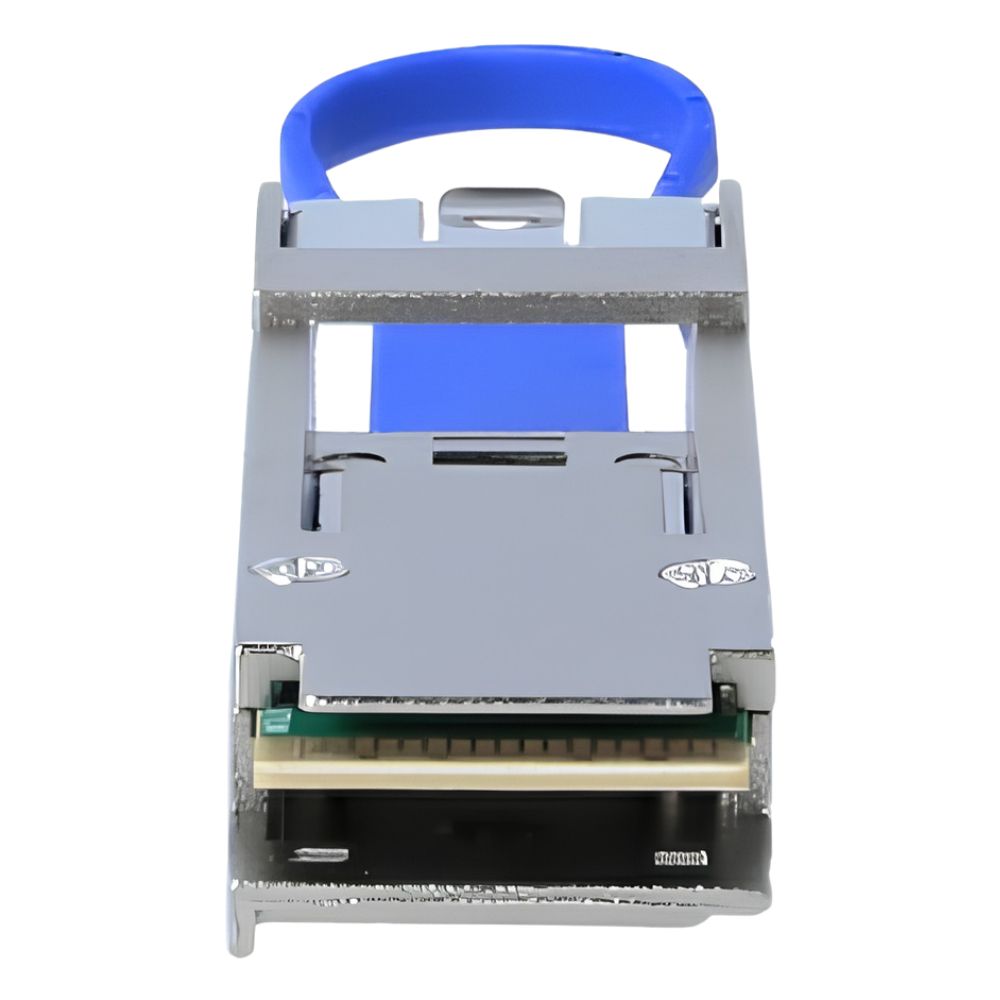
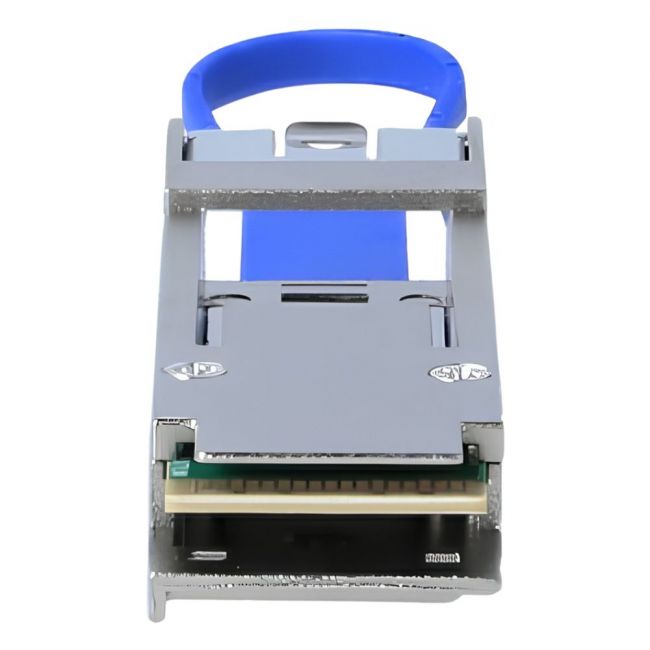
The HPE 100GbE QSFP28 to SFP28 Adapter serves as a bridge between 100 Gigabit Ethernet QSFP28 ports and 25 Gigabit Ethernet SFP28 ports in HPE networking environments. It enables physical and electrical conversion for interconnecting devices operating at different speeds and form factors, ensuring compatibility within mixed network infrastructures. |
General Information |
|
|---|---|
| Brand | HPE |
Technical Information |
|
|---|---|
| Product Type | Network Adaptor |
| Data Rate (Speed) | 100GbE |
| Data Center Bridging | No |
| Number of Ports | 1-Port |
Connectivity & Physical |
|
|---|---|
| Weight | 3.00 |
| Condition | Refurbished |
Miscellaneous |
|
|---|---|
| Assembly Required | No |
Product Description |
|---|
The 845969-001 HPE 100GbE QSFP28 to SFP28 Adapter facilitates interconnection between high-speed 100 Gigabit Ethernet QSFP28 ports and 25 Gigabit Ethernet SFP28 ports. This adapter is used to convert the form factor and interface so that devices with different transceiver standards can communicate effectively. This adapter is generally deployed in enterprise networking environments and data centers where HPE switches or network devices require flexible port conversions. Network administrators and IT professionals use it to optimize port utilization and support diverse network topologies. Key Features
This adapter plays a practical role in environments with mixed-speed networks where port flexibility is needed. It allows organizations to adapt their existing cabling and transceiver investments while maintaining network performance standards. The adapter facilitates gradual upgrades and supports diverse network architectures. |
Use Cases |
|---|
This adapter is typically used in enterprise data centers and campus networks where HPE network devices require linking 100GbE and 25GbE ports. It benefits environments with heterogeneous network speeds, assisting network administrators in optimizing port usage and supporting legacy or diverse equipment. How It's Used:
Overall, this adapter helps maintain network flexibility and compatibility, aiding in the management of complex networking infrastructures. It supports operational continuity by bridging port speed and form factor differences without requiring complete system overhauls. |
FAQ's |
|---|
|
 Shipping Options
 International Delivery
Requires a UPS, FedEx, or DHL account. Customers may arrange pickup from our US warehouse.
 Payment Methods
We accept Visa, Mastercard, AMEX, Discover, and Wire Transfer.
 Purchase Orders
We process purchase orders for government agencies, enterprises, data centers, and SMBs.