

Subscribe To Our Newsletter!
Subscribe to the newsletter to stay up to date with the latest news and most useful
Newsletter
↑
Back to Top



Product Overview |
|---|
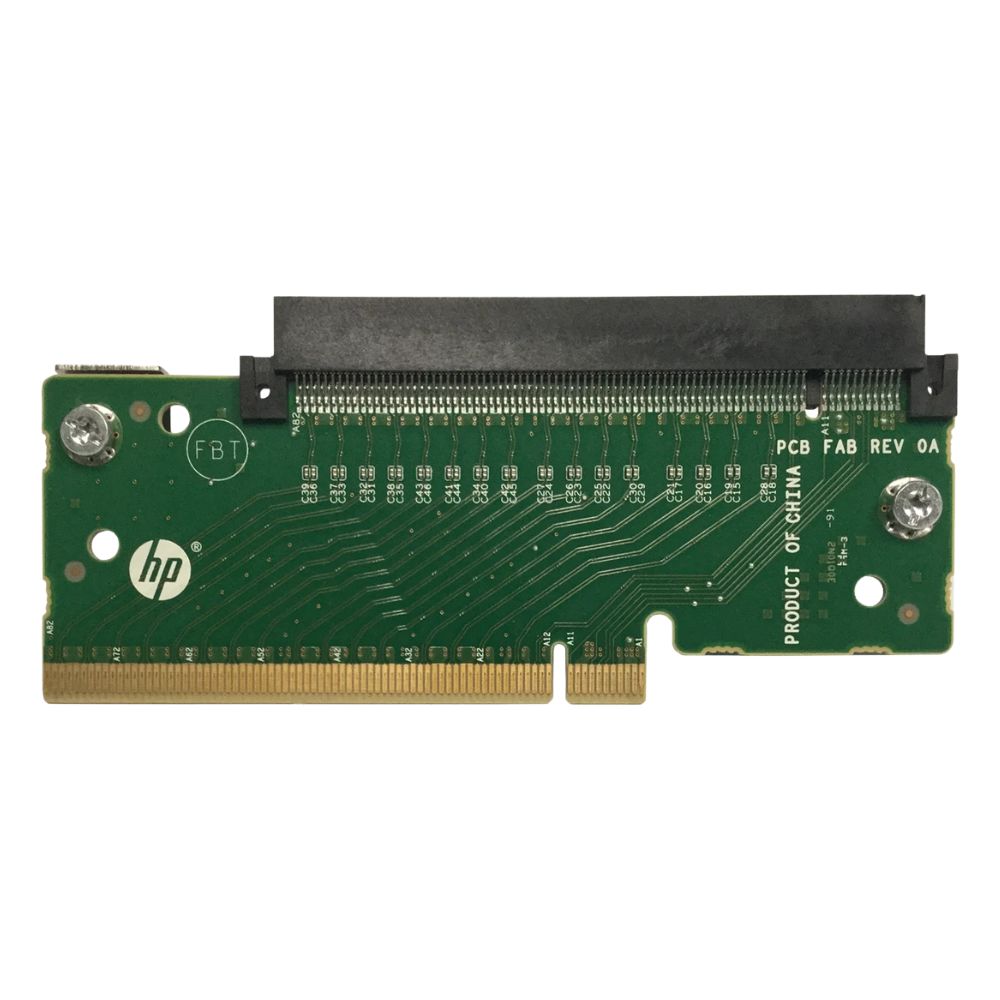
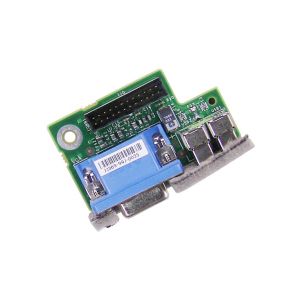
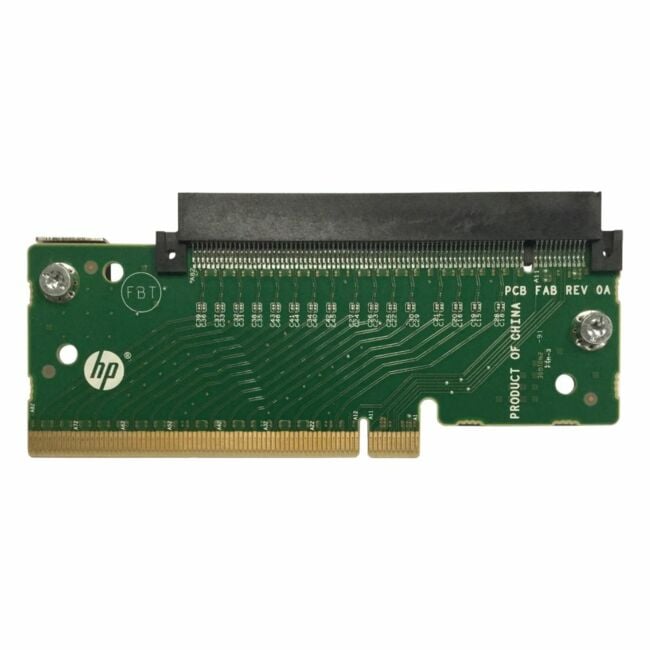
The 800372-B21 HPE Gen9 PCIe Transceiver Riser Board extends PCIe connectivity in HPE Gen9 servers by providing dedicated riser slots for transceiver cards. It fits into compatible Gen9 server chassis, allowing for modular expansion of PCIe devices without modifying the server's main system board. |
General Information |
|
|---|---|
| Brand | HPE |
Technical Information |
|
|---|---|
| Series | HPE ProLiant Gen9 |
| product type | Transceiver Riser Board (PCIe Riser) |
| Product Category | I/O Boards |
| Compatibility | HPE ProLiant Gen9 servers |
Miscellaneous |
|
|---|---|
| Assembly Required | No |
| Compliance Standards | WEEE, RoHS, CE, FCC |
Physical Characteristics |
|
|---|---|
| Form Factor | PCIe Riser Board |
| Weight | 3.00 |
| Condition | Refurbished |
Product Description |
|---|
The 800372-B21 HPE Gen9 PCIe Transceiver Riser Board is a hardware component designed to expand the PCIe capabilities of HPE Gen9 servers. It provides an interface for installing PCIe transceiver cards, enhancing server connectivity options. This riser board is typically used in data centers and enterprise IT environments where HPE Gen9 servers require additional PCIe expansion for networking or other peripheral needs. IT professionals managing HPE server infrastructure commonly utilize this component to customize server configurations. Key Features
This riser board plays a role in enabling flexible hardware configurations by allowing the addition of PCIe transceiver cards as needed. It helps maintain server modularity and supports varying workload requirements by expanding available PCIe interfaces. |
Use Cases |
|---|
The 800372-B21 riser board is typically deployed in enterprise data centers and IT environments using HPE Gen9 servers. It is suited for situations where additional PCIe transceiver cards are required to support network or communication enhancements. This expansion component benefits system administrators needing scalable PCIe interfaces. How It's Used:
Using the riser board allows organizations to adapt their server hardware to evolving network demands. It supports a structured approach to server expansion, keeping system upgrades manageable within existing infrastructure. |
FAQ's |
|---|
|
 Shipping Options
 International Delivery
Requires a UPS, FedEx, or DHL account. Customers may arrange pickup from our US warehouse.
 Payment Methods
We accept Visa, Mastercard, AMEX, Discover, and Wire Transfer.
 Purchase Orders
We process purchase orders for government agencies, enterprises, data centers, and SMBs.