

Subscribe To Our Newsletter!
Subscribe to the newsletter to stay up to date with the latest news and most useful
Newsletter
↑
Back to Top



Product Overview |
|---|
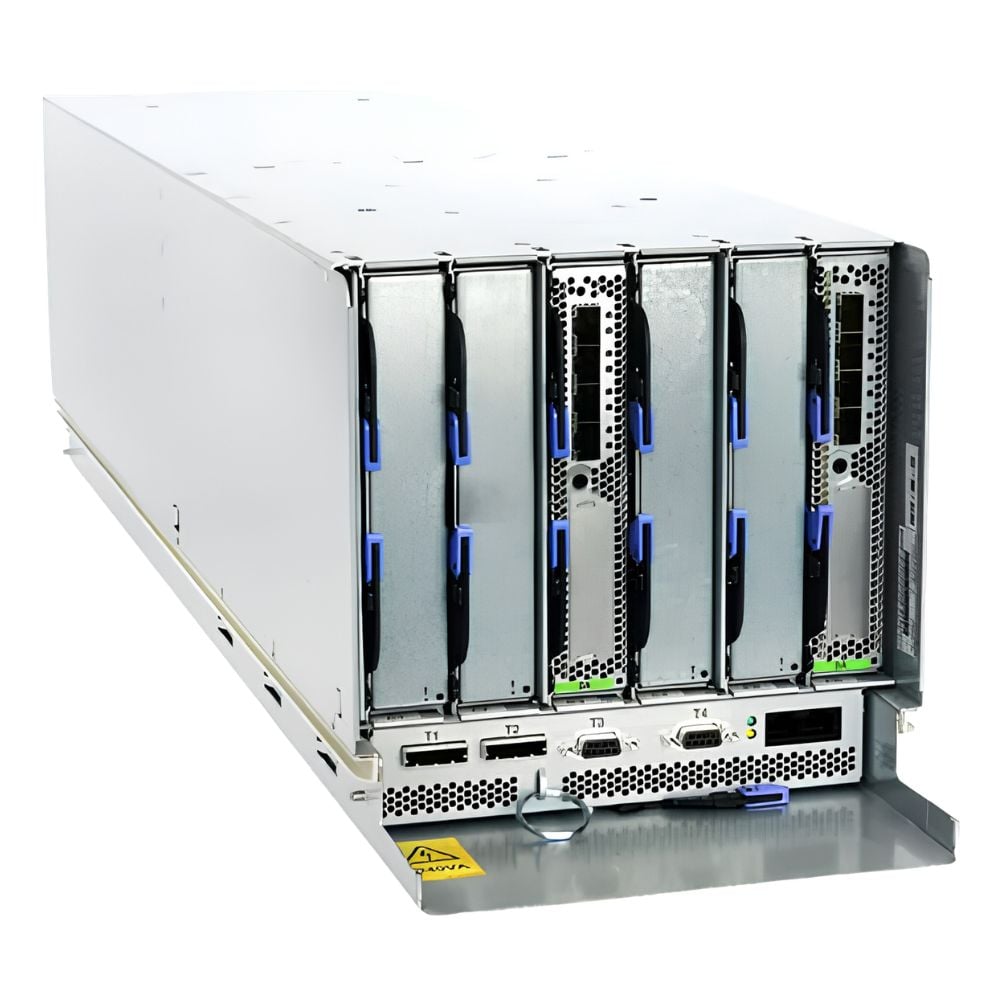
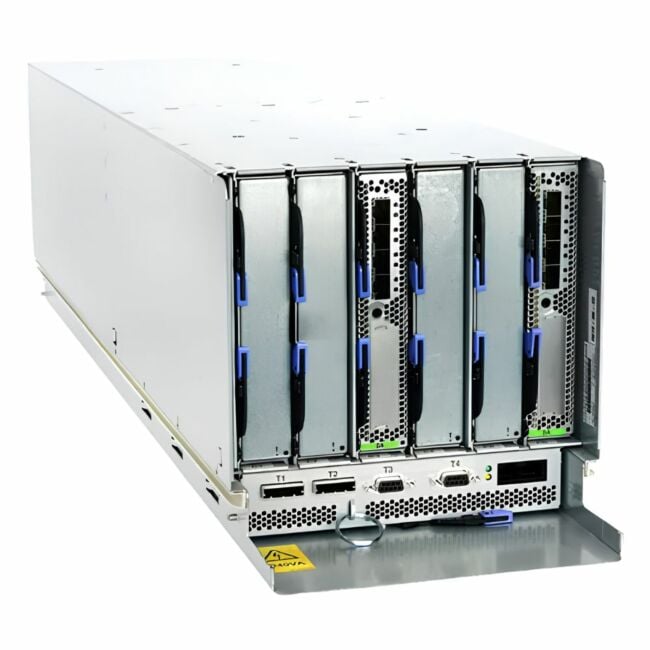
The 98Y8567 - IBM U1500 6 x Slots I/O Card Enclosure PSeries is designed to house multiple I/O cards within IBM Power Systems servers. It fits into server chassis to provide a dedicated space for expanding connectivity options without compromising system stability or organization. |
General Information |
|
|---|---|
| Brand | IBM |
Technical Information |
|
|---|---|
| Series | U1500 |
| product type | I/O Card Enclosure |
| Product Category | I/O Boards |
| Compatibility | IBM pSeries (Power Systems) |
Miscellaneous |
|
|---|---|
| Assembly Required | No |
Physical Characteristics |
|
|---|---|
| Form Factor | I/O card enclosure (6-slot) |
| Weight | 3.00 |
| Condition | Refurbished |
Product Description |
|---|
This 98Y8567 model serves as a 6-slot I/O card enclosure specifically built for IBM's PSeries servers. It is commonly found in data center environments where system expansion and flexible connectivity are essential. IT professionals and system administrators often use this enclosure to manage multiple I/O cards efficiently within their infrastructure. Key Features
By integrating this I/O card enclosure, organizations can maintain orderly and scalable server configurations. Its reliability and performance allow consistent hardware functionality within complex IT setups. The enclosure plays an important role in supporting diverse card types while preserving system integrity. |
Use Cases |
|---|
This enclosure is typically deployed in enterprise IT environments that require scalable input/output expansion for IBM Power Systems. It benefits users managing extensive networking or storage hardware needing organized and reliable card placement. How It's Used:
Using this enclosure ensures streamlined hardware management and consistent performance for demanding workloads. It enhances operational efficiency while allowing system growth and adaptation in complex IT infrastructures. |
 Shipping Options
 International Delivery
Requires a UPS, FedEx, or DHL account. Customers may arrange pickup from our US warehouse.
 Payment Methods
We accept Visa, Mastercard, AMEX, Discover, and Wire Transfer.
 Purchase Orders
We process purchase orders for government agencies, enterprises, data centers, and SMBs.