

Subscribe To Our Newsletter!
Subscribe to the newsletter to stay up to date with the latest news and most useful
Newsletter
↑
Back to Top



Product Overview |
|---|
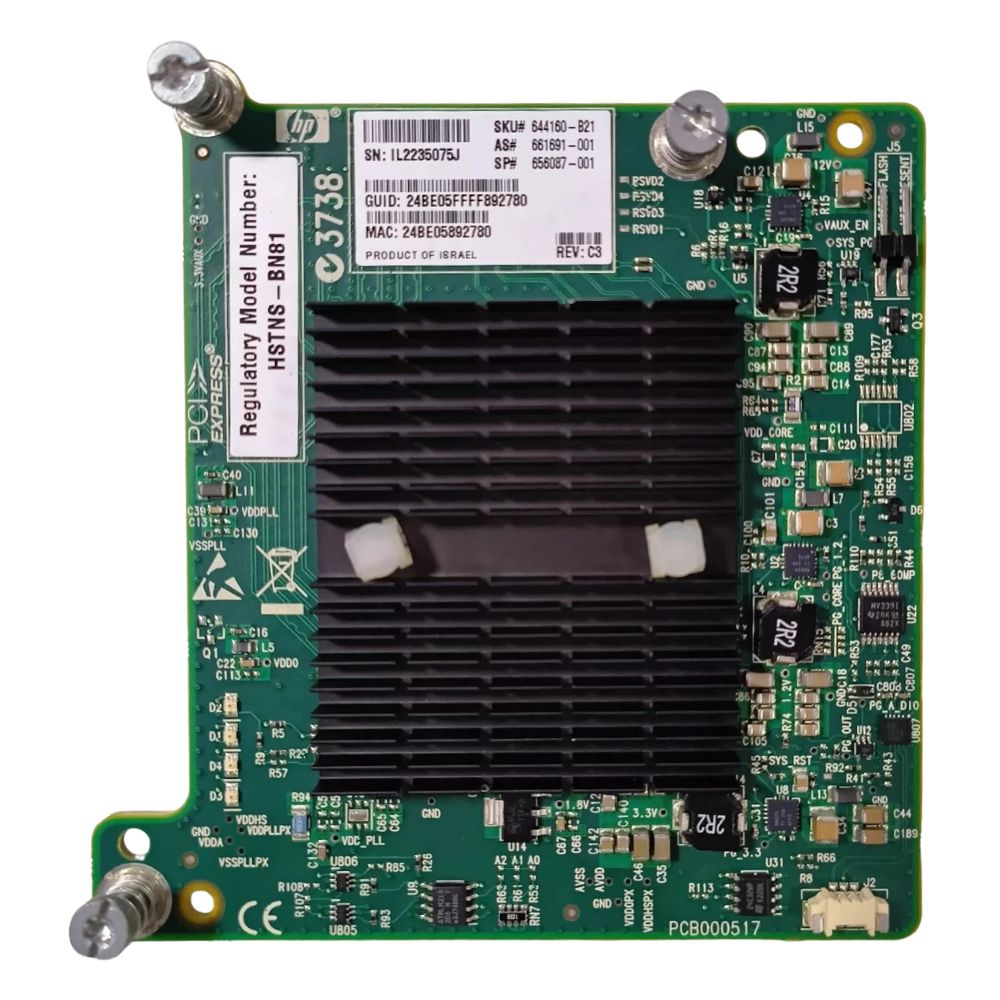
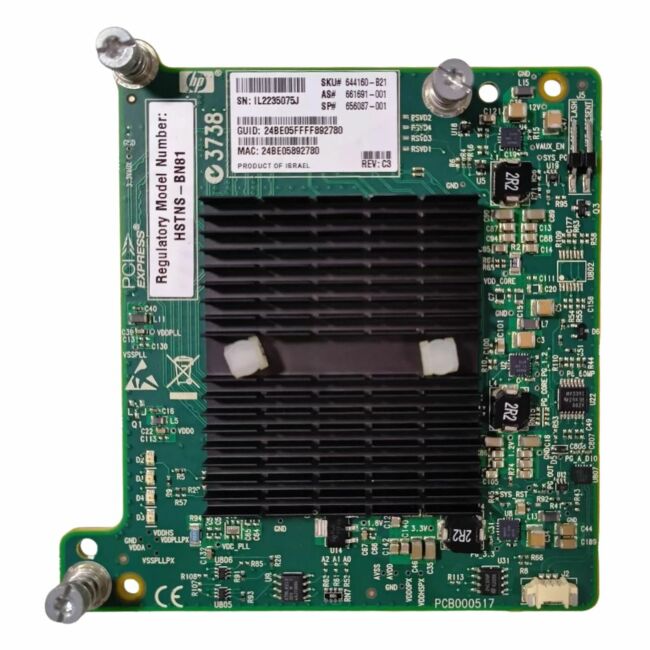
The 656087-001 HPE 10Gb QDR EN Dual Port Mezzanine is designed to deliver dual 10 Gigabit Ethernet connectivity through a mezzanine interface in compatible HPE servers. It is intended to enhance network bandwidth and performance in server environments that require high data throughput. |
General Information |
|
|---|---|
| Brand | HPE |
Technical Information |
|
|---|---|
| Product Type | Mezzanine NIC |
| Data Rate (Speed) | 10GbE |
| Number of Ports | 2-Port (Dual) |
| Bracket Height | Internal/Mezzanine |
Connectivity & Physical |
|
|---|---|
| Form Factor | Mezzanine |
| Port Type | SFP+ |
| Weight | 3.00 |
| Condition | Refurbished |
Miscellaneous |
|
|---|---|
| Assembly Required | No |
Product Description |
|---|
The HPE 656087-001 10Gb QDR EN Dual Port Mezzanine card provides dual 10 Gigabit Ethernet connectivity via a mezzanine interface designed for server integration. This card is typically used to enhance network bandwidth within HPE server environments requiring high data transfer rates. IT professionals and system administrators deploy this mezzanine card in data centers or enterprise server infrastructures to facilitate efficient network communication and reduce bottlenecks. Key Features
This mezzanine card is a practical choice for expanding network capabilities in servers where mezzanine slots are available, enabling improved data flow for demanding applications. It fits into existing server infrastructure to provide hardware-level network upgrades without requiring extensive system modifications. |
Use Cases |
|---|
This mezzanine card is typically utilized in enterprise data centers and server rooms where increased network bandwidth is necessary. It serves well in environments running network-intensive workloads such as virtualization, large-scale file transfers, or database management. How It's Used:
The card plays a role in optimizing network infrastructure by providing higher-speed Ethernet connectivity directly within servers. It enables organizations to meet increasing data transfer demands while maintaining existing server hardware setups. |
FAQ's |
|---|
|
 Shipping Options
 International Delivery
Requires a UPS, FedEx, or DHL account. Customers may arrange pickup from our US warehouse.
 Payment Methods
We accept Visa, Mastercard, AMEX, Discover, and Wire Transfer.
 Purchase Orders
We process purchase orders for government agencies, enterprises, data centers, and SMBs.