

Subscribe To Our Newsletter!
Subscribe to the newsletter to stay up to date with the latest news and most useful
Newsletter
↑
Back to Top



Product Overview |
|---|
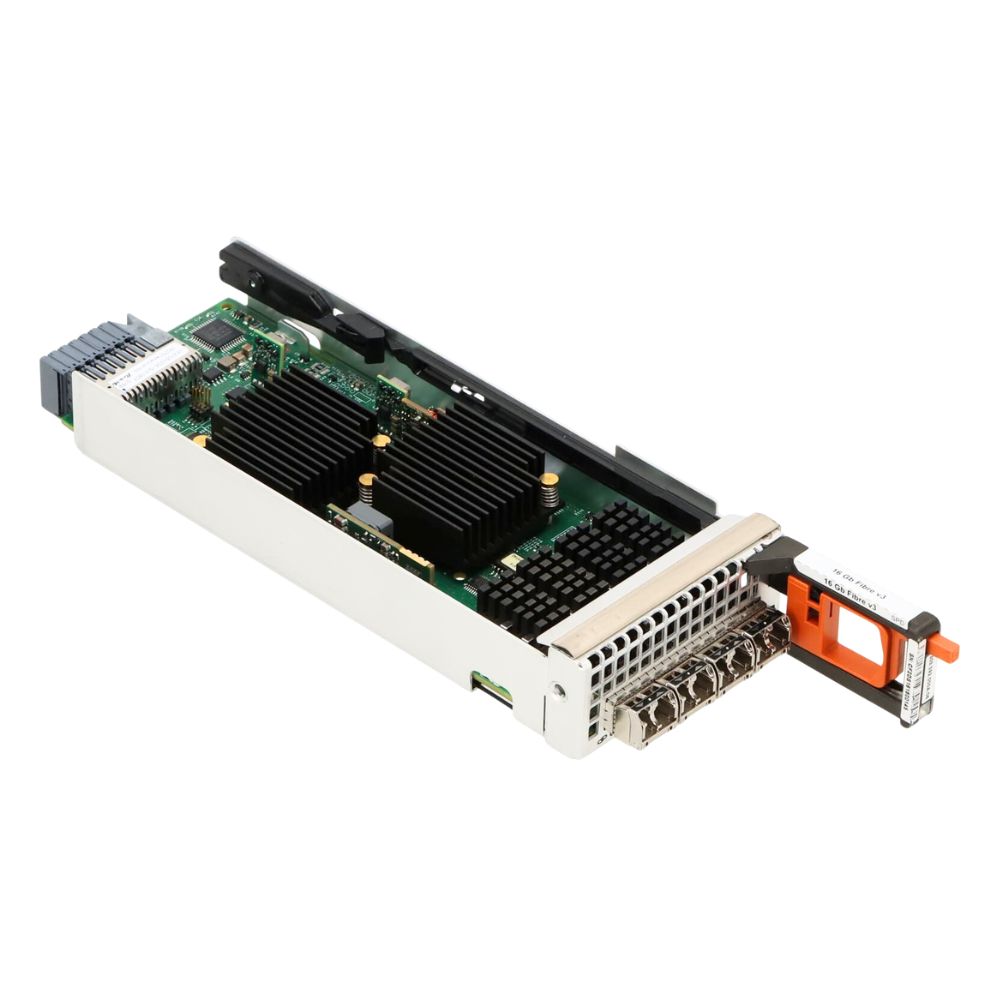
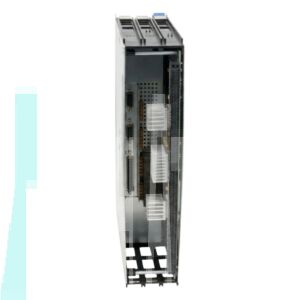
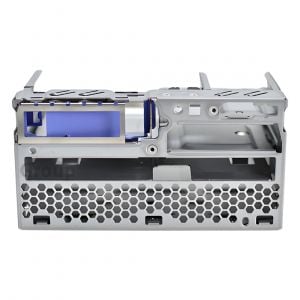
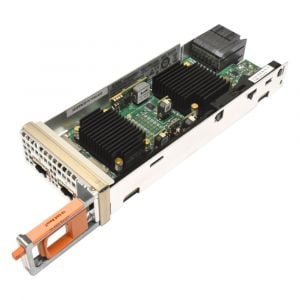
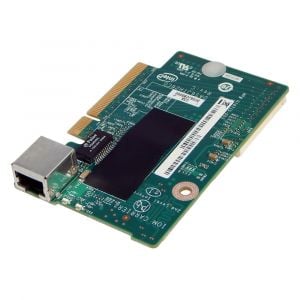
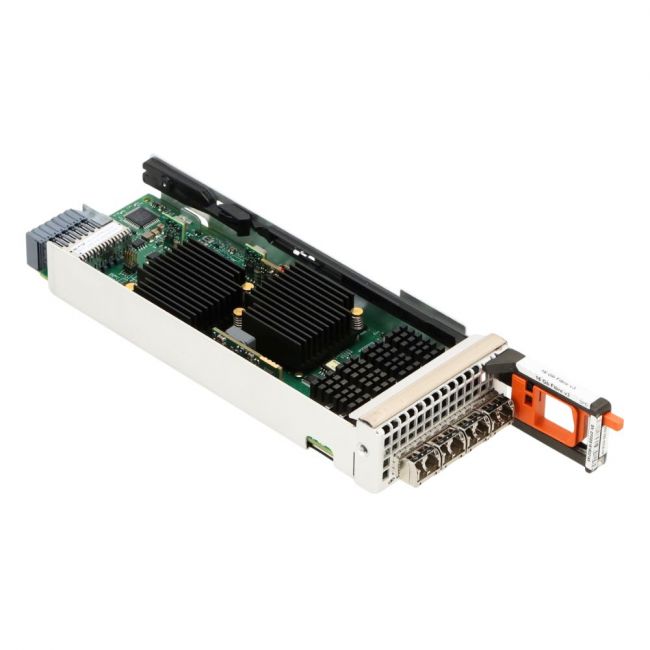
The EMC INA PCB I/O 303-290-100B provides four 16G Fibre Channel and FICON ports, designed to integrate within EMC storage hardware. It enables robust data input/output handling tailored to enterprise-level storage and mainframe environments requiring specific protocol support. |
General Information |
|
|---|---|
| Brand | EMC |
Technical Information |
|
|---|---|
| Series | INA |
| product type | 4-port 16Gb FICON/FC I/O board |
| Product Category | I/O Boards |
| Compatibility | EMC storage arrays |
Miscellaneous |
|
|---|---|
| Assembly Required | No |
Physical Characteristics |
|
|---|---|
| Form Factor | PCB (I/O board) |
| Weight | 3.00 |
| Condition | Refurbished |
Product Description |
|---|
The EMC INA PCB I/O is a specialized printed circuit board designed to provide four high-speed ports for Fibre Channel (FC) and FICON connectivity. Typically used in enterprise storage arrays, this component facilitates data transfer and communication between storage controllers and host systems. This board supports 16G FC and FICON protocols, indicating its suitability for mainframe and storage area network (SAN) environments that demand precise and reliable input/output operations. Key Features
The EMC INA PCB I/O board plays a critical role in managing data flow within storage arrays, especially where mainframe compatibility and high-speed fibre connections are essential. Its presence ensures that storage controllers can maintain efficient communication with connected devices, supporting the operational needs of complex IT environments. |
Use Cases |
|---|
This EMC INA PCB I/O board is typically deployed within EMC storage arrays to facilitate high-speed data communication through Fibre Channel and FICON protocols. It suits data centers and mainframe environments where precise I/O management and protocol compatibility are required. How It's Used:
This board serves as a fundamental component enabling efficient data path connectivity in storage infrastructures. It helps maintain uninterrupted communication and protocol compliance in complex enterprise and mainframe storage scenarios. |
FAQ's |
|---|
|
 Shipping Options
 International Delivery
Requires a UPS, FedEx, or DHL account. Customers may arrange pickup from our US warehouse.
 Payment Methods
We accept Visa, Mastercard, AMEX, Discover, and Wire Transfer.
 Purchase Orders
We process purchase orders for government agencies, enterprises, data centers, and SMBs.