

Subscribe To Our Newsletter!
Subscribe to the newsletter to stay up to date with the latest news and most useful
Newsletter
↑
Back to Top



Product Overview |
|---|
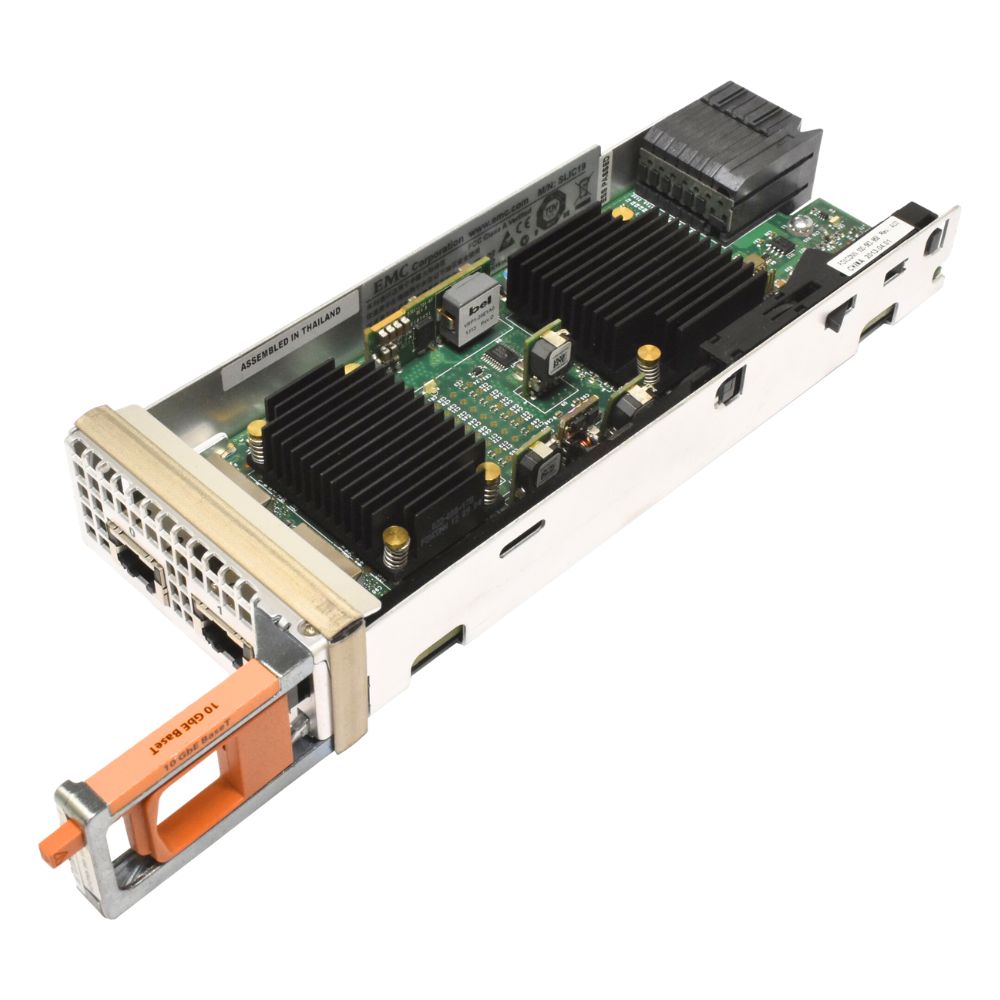
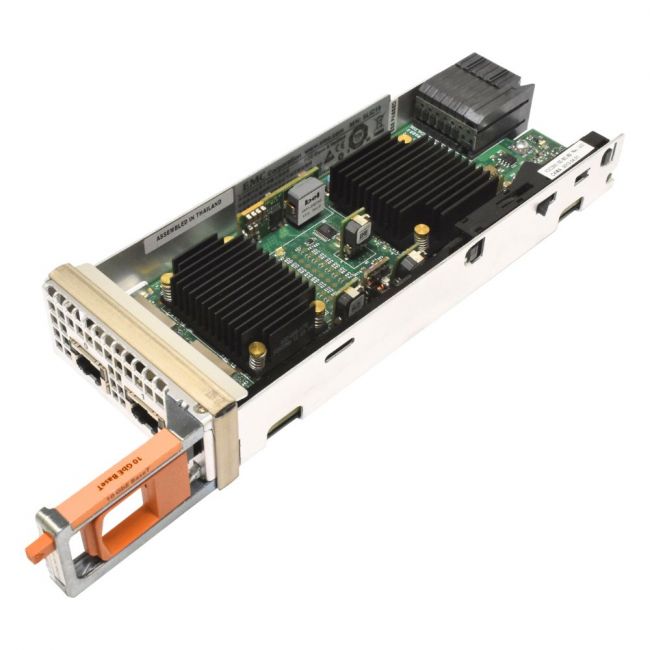
The EMC 303-164-104D is a data center I/O module providing two 10GBase-T ports for 10 Gigabit Ethernet connections over copper cabling. It fits into EMC storage or networking systems using a standard SLIC interface to expand network access and throughput. |
General Information |
|
|---|---|
| Brand | EMC |
Technical Information |
|
|---|---|
| Ports | 2 |
| Data Transfer Rate | 10 Gbps |
| Connector Type | RJ-45 (10GBase-T) |
Physical Characteristics |
|
|---|---|
| Weight | 3.00 |
| Condition | Refurbished |
Miscellaneous |
|
|---|---|
| Assembly Required | No |
Product Description |
|---|
The EMC 303-164-104D is an I/O module equipped with two 10GBase-T ports, providing 10 Gigabit Ethernet connectivity via standard twisted pair copper cables. This module is designed to be installed in compatible EMC systems to expand network throughput and interface capabilities. This product is typically utilized in data center environments where EMC storage or networking solutions require high-speed Ethernet connections. IT professionals and system administrators responsible for managing EMC hardware would select this module to enhance network performance and connectivity options. Key Features
This I/O module serves as a critical component to extend network interfaces on EMC equipment, allowing increased data transfer rates and flexible deployment in various networking architectures. Its form factor and port configuration are optimized for EMC environments requiring 10G Ethernet connectivity. |
Use Cases |
|---|
The EMC 303-164-104D module is used primarily in enterprise or data center environments requiring enhanced Ethernet connectivity within EMC hardware. It supports workloads needing high-bandwidth network access and integrates within existing EMC infrastructure. How It's Used:
This module plays a role in scaling network capabilities of EMC systems, allowing organizations to adapt their infrastructure to evolving performance requirements without replacing entire devices. |
FAQ's |
|---|
|
 Shipping Options
 International Delivery
Requires a UPS, FedEx, or DHL account. Customers may arrange pickup from our US warehouse.
International Delivery
Requires a UPS, FedEx, or DHL account. Customers may arrange pickup from our US warehouse.
 Payment Methods
We accept Visa, Mastercard, AMEX, Discover, and Wire Transfer.
Payment Methods
We accept Visa, Mastercard, AMEX, Discover, and Wire Transfer.
 Purchase Orders
We process purchase orders for government agencies, enterprises, data centers, and SMBs.
Purchase Orders
We process purchase orders for government agencies, enterprises, data centers, and SMBs.