

Subscribe To Our Newsletter!
Subscribe to the newsletter to stay up to date with the latest news and most useful
Newsletter
↑
Back to Top



Product Overview |
|---|
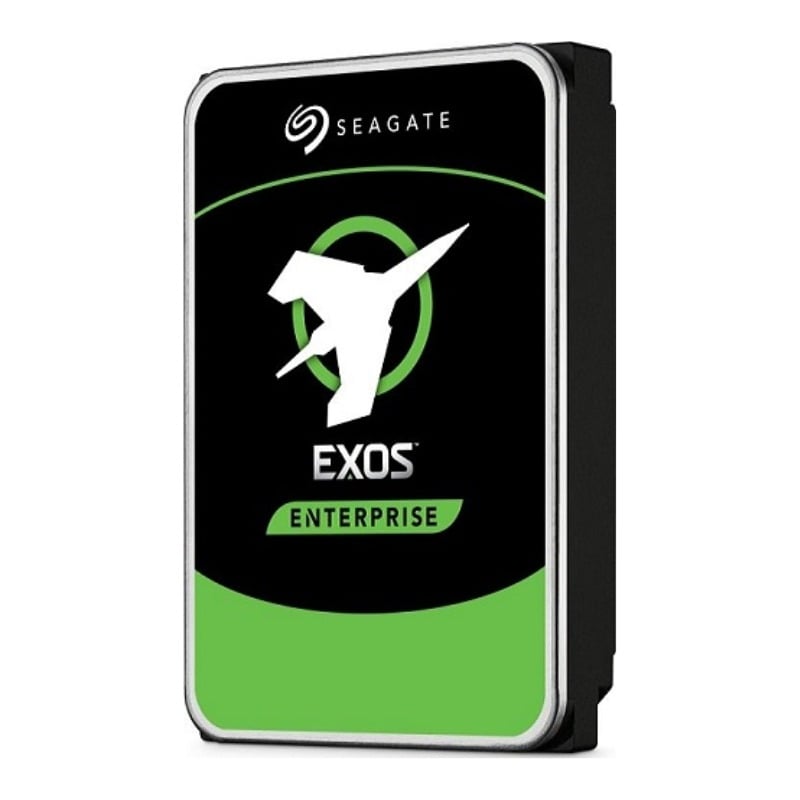
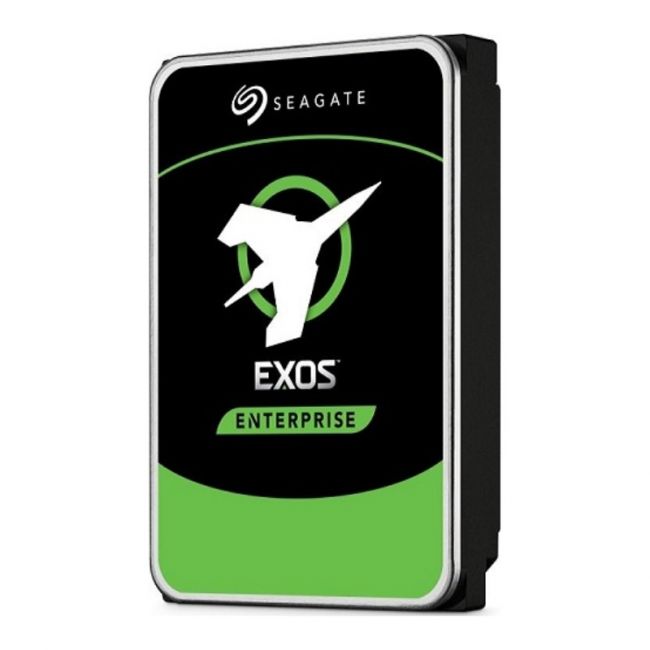
The Seagate Exos X18 18TB 7.2K RPM 12Gb/s SAS 3.5-Inch Hard Drive (2TV233-150) is a powerful enterprise-class storage solution designed for data centers, cloud storage, and high-capacity workloads. With its high-speed SAS interface, large storage capacity, and energy-efficient helium-sealed design, it ensures maximum reliability and performance for mission-critical applications. Whether used in large-scale storage arrays or server environments, this drive delivers the durability and efficiency needed for modern enterprise storage infrastructures. |
General Information |
|
|---|---|
| Brand | Seagate |
| Part Number | 2TV233-150 |
Technical Information |
|
|---|---|
| Capacity | 18TB |
Physical Characteristics |
|
|---|---|
| Condition | Refurbished |
| Weight | 1.76 |
Miscellaneous |
|
|---|---|
| Eco Friendly | Yes |
Product Description |
|---|
The Seagate Exos X18 18TB hard drive (model 2TV233-150) is a high-performance storage solution designed for enterprise and data center environments. Featuring a 7,200 RPM spindle speed and a 12Gb/s SAS interface, this drive delivers fast data transfers and consistent performance, making it ideal for high-capacity applications. With its advanced caching technology and helium-sealed design, it enhances reliability while reducing power consumption. The 3.5-inch form factor ensures compatibility with a wide range of enterprise storage systems, allowing for seamless integration and scalability. Key Features
|
Use Cases |
|---|
The Seagate Exos X18 18TB hard drive is primarily deployed in enterprise data centers and cloud storage facilities where high-capacity, reliable storage is critical. It serves IT professionals managing large-scale virtualization platforms, big data analytics, and archival storage requiring consistent performance and durability. How It's Used:
This drive enhances operational efficiency by balancing large storage volumes with energy-saving design, allowing enterprises to scale storage infrastructure without compromising performance. Its integration into complex storage arrays supports both capacity expansion and mission-critical workload reliability. |
 Shipping Options
 International Delivery
Requires a UPS, FedEx, or DHL account. Customers may arrange pickup from our US warehouse.
International Delivery
Requires a UPS, FedEx, or DHL account. Customers may arrange pickup from our US warehouse.
 Payment Methods
We accept Visa, Mastercard, AMEX, Discover, and Wire Transfer.
Payment Methods
We accept Visa, Mastercard, AMEX, Discover, and Wire Transfer.
 Purchase Orders
We process purchase orders for government agencies, enterprises, data centers, and SMBs.
Purchase Orders
We process purchase orders for government agencies, enterprises, data centers, and SMBs.