

Subscribe To Our Newsletter!
Subscribe to the newsletter to stay up to date with the latest news and most useful
Newsletter
↑
Back to Top



Product Overview |
|---|
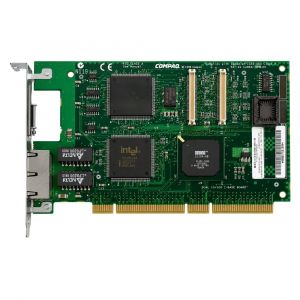
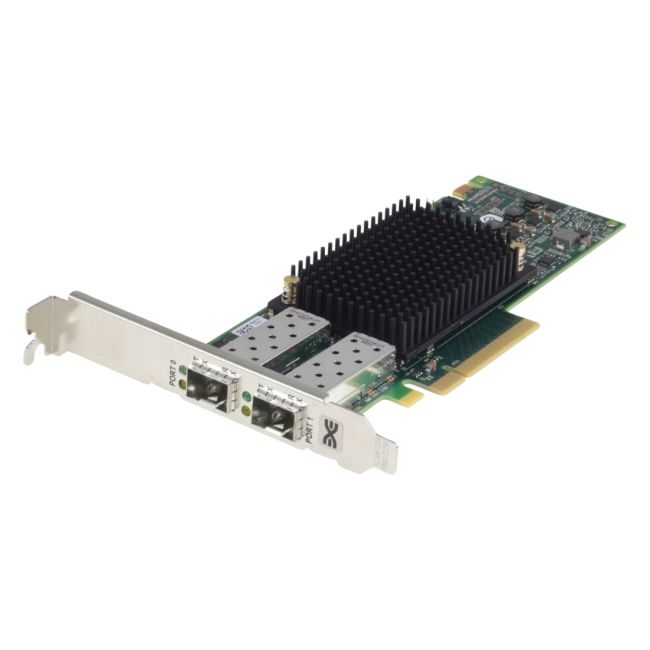
The 169801-001 Compaq NetFlex 3 is an Ethernet network adapter designed for EISA bus systems. It provides 10 Mbps Ethernet connectivity, enabling EISA-based computers to access network resources through standard Ethernet LANs. The adapter supports legacy system integration in environments using Compaq hardware. |
General Information |
|
|---|---|
| Brand | Compaq |
Technical Information |
|
|---|---|
| Product Type | Network Interface Card |
| Data Rate (Speed) | 10/100 Mbps |
| Data Center Bridging | No |
| Number of Ports | 1-Port |
| Bracket Height | Full Height (Standard) |
Connectivity & Physical |
|
|---|---|
| Form Factor | Full Height |
| Port Type | RJ-45 (Copper) |
| Cabling Type | Cat5e |
| Weight | 3.00 |
| Condition | Refurbished |
Miscellaneous |
|
|---|---|
| Assembly Required | No |
Product Description |
|---|
The 169801-001 Compaq NetFlex 3 EISA Ethernet adapter is a network interface card designed for use in EISA bus slots. It enables 10 Mbps Ethernet connectivity, allowing systems to connect to local area networks (LANs) using standard Ethernet protocols. This adapter is typically utilized in business and enterprise environments where legacy EISA systems require network access for data communication and resource sharing. Key Features
This network adapter serves as a practical solution for connecting older EISA-based computer systems to Ethernet networks. It provides the necessary hardware interface to integrate legacy systems into existing network infrastructures without requiring system upgrades. |
Use Cases |
|---|
The Compaq NetFlex 3 EISA Ethernet adapter is typically used in environments with legacy EISA-based computers that require network connectivity. It is suitable for businesses maintaining older hardware needing integration with Ethernet LANs for file sharing, printing, and communication. How It's Used:
This adapter plays a key role in extending the network capabilities of EISA systems, allowing continued use of existing hardware within Ethernet-based network environments without requiring complete system upgrades. |
FAQ's |
|---|
|
 Shipping Options
 International Delivery
Requires a UPS, FedEx, or DHL account. Customers may arrange pickup from our US warehouse.
 Payment Methods
We accept Visa, Mastercard, AMEX, Discover, and Wire Transfer.
 Purchase Orders
We process purchase orders for government agencies, enterprises, data centers, and SMBs.