

Subscribe To Our Newsletter!
Subscribe to the newsletter to stay up to date with the latest news and most useful
Newsletter
↑
Back to Top



Product Overview |
|---|
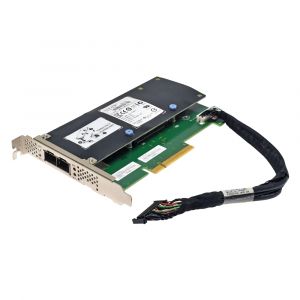
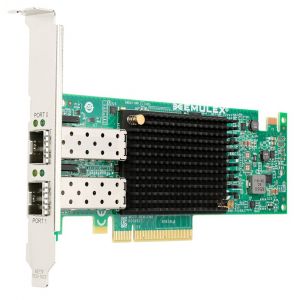
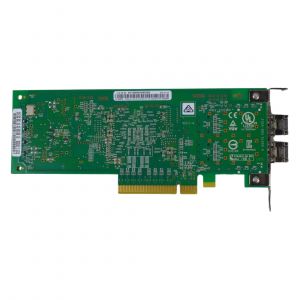
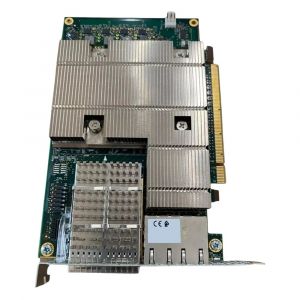
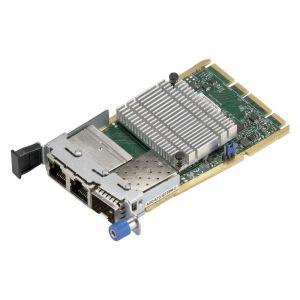
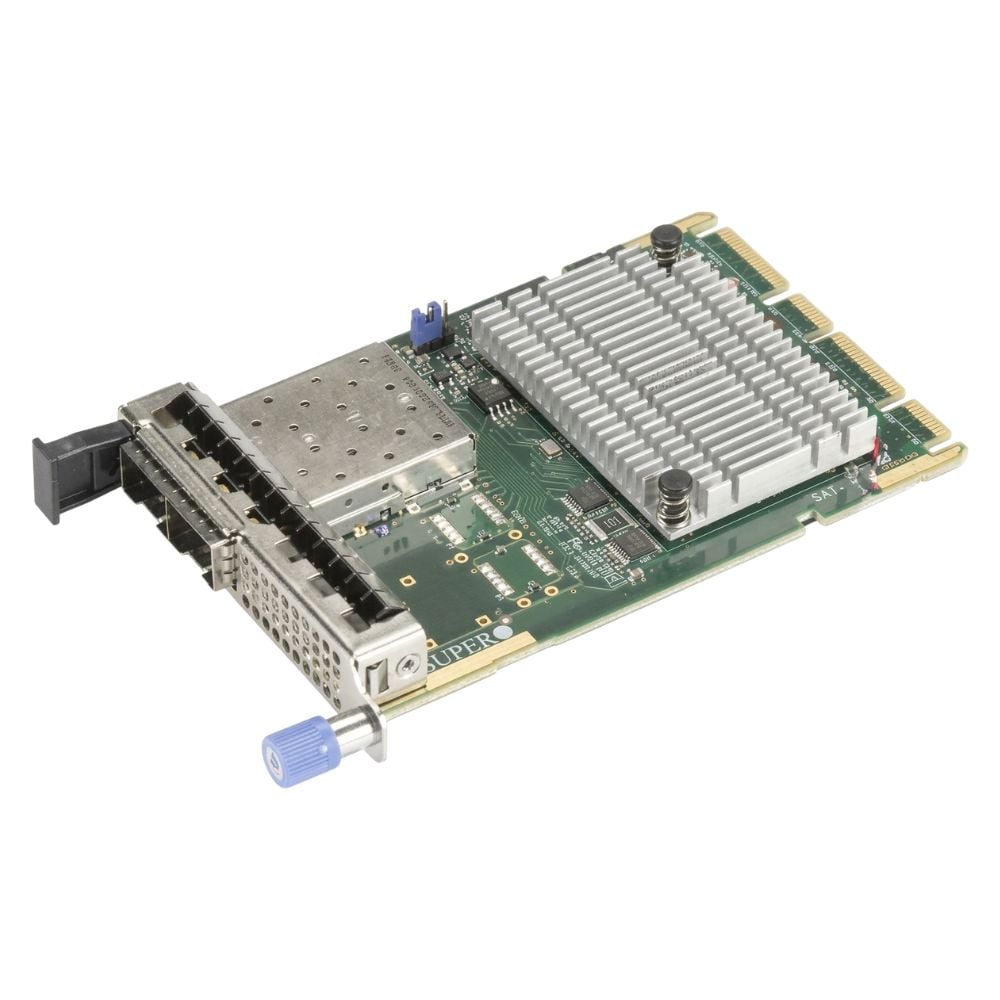
The AOC-ATG-I2SM-O Supermicro network adapter offers dual 10 Gigabit Ethernet SFP+ ports tailored for Supermicro servers. It supports SFP+ modules to enable flexible network connections and delivers high bandwidth suitable for demanding network traffic in data centers and enterprise settings. |
General Information |
|
|---|---|
| Brand | Supermicro |
Technical Information |
|
|---|---|
| Product Type | Network Interface Card |
| Data Rate (Speed) | 10GbE |
| Number of Ports | 2-Port (Dual) |
Connectivity & Physical |
|
|---|---|
| Form Factor | Standard PCIe Card |
| Port Type | SFP+ |
| Weight | 3.00 |
| Condition | Refurbished |
Miscellaneous |
|
|---|---|
| Assembly Required | No |
Product Description |
|---|
The AOC-ATG-I2SM-O is a network adapter that provides dual 10 Gigabit Ethernet connections via SFP+ ports. It is designed to enhance network capabilities in servers by offering high-speed data transfer and connectivity options suitable for demanding IT environments. This adapter is commonly deployed in data centers, enterprise networks, and other settings where robust 10GbE connectivity is required. IT professionals and system administrators benefit from its integration with Supermicro server systems. Key Features
This adapter plays an important role in supporting network-intensive applications by providing reliable 10GbE connectivity. Its design allows for adaptable fiber or copper cabling, meeting different infrastructure requirements in enterprise and data center environments. |
Use Cases |
|---|
The AOC-ATG-I2SM-O is typically used in data center and enterprise server environments requiring enhanced network throughput. It suits workloads that demand fast and flexible 10GbE connectivity for applications such as virtualization, storage networking, and high-speed data transfer. How It's Used:
The adapter serves as a critical component for expanding network capabilities in servers, allowing IT teams to meet the increasing demand for faster network speeds and flexible connection options. It integrates within existing server architectures to support diverse networking requirements. |
FAQ's |
|---|
|
 Shipping Options
 International Delivery
Requires a UPS, FedEx, or DHL account. Customers may arrange pickup from our US warehouse.
 Payment Methods
We accept Visa, Mastercard, AMEX, Discover, and Wire Transfer.
 Purchase Orders
We process purchase orders for government agencies, enterprises, data centers, and SMBs.