

Subscribe To Our Newsletter!
Subscribe to the newsletter to stay up to date with the latest news and most useful
Newsletter
↑
Back to Top



Product Overview |
|---|
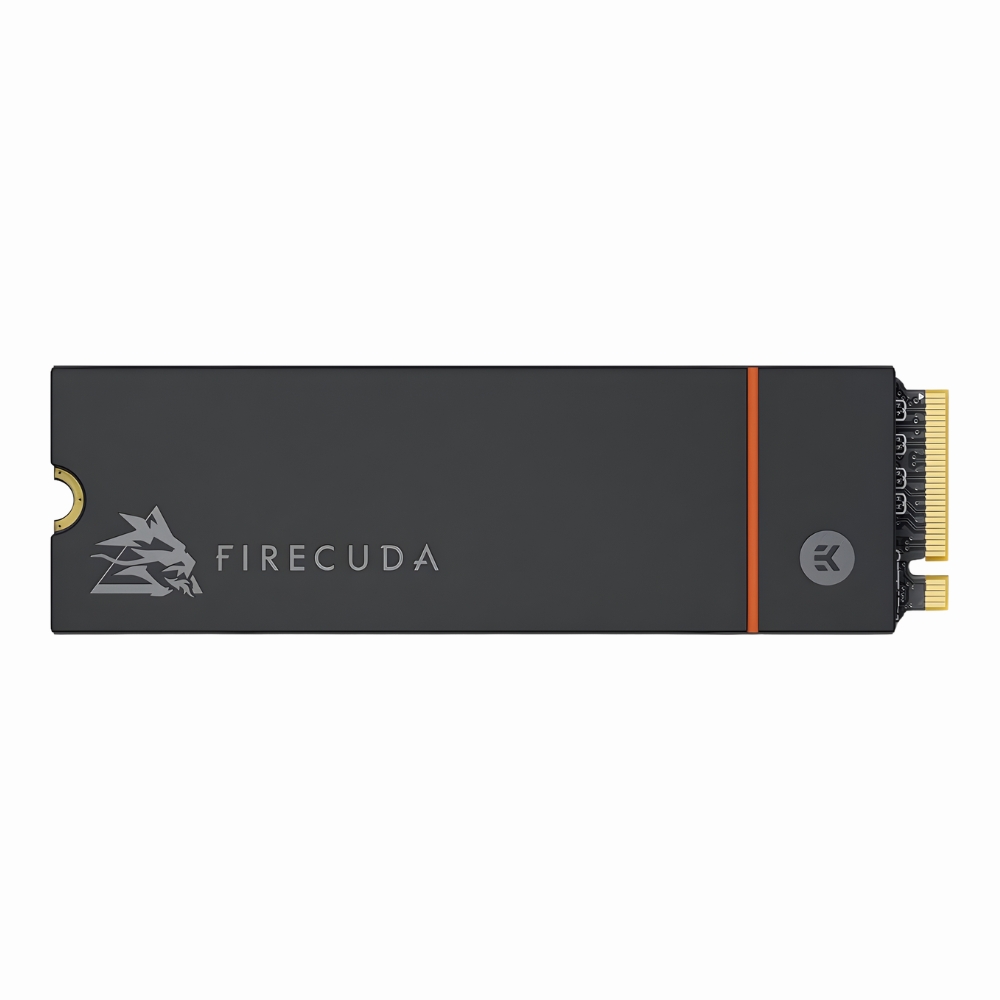
The Seagate FireCuda 530 Series 2TB SSD is a high-speed, PCIe 4.0 M.2 drive designed to handle large files and demanding applications. It fits well in gaming and professional environments where fast data access and reliability are important, making it a solid choice for users upgrading their storage with performance in mind. |
General Information |
|
|---|---|
| Brand | Seagate |
| Part Number | ZP2000GM3A013 |
Technical Information |
|
|---|---|
| Capacity | 2TB |
| NAND Flash | Triple-Level Cell (TLC) |
| Memory Technology | Triple-Level Cell (TLC) |
| Form Factor | M.2 2280 |
| Interface | PCIe Gen 4.0 x4 |
| Cache | DRAM cache (on-board) |
| MTBF | 1,800,000 hours |
| Hot Swappable | No |
| Hot Pluggable | No |
Performance |
|
|---|---|
| Max Sequential Read | 7,300 MB/s |
| Max Sequential Write | 6,900 MB/s |
| Random Read | 1,000,000 IOPS |
| Random Write | 1,000,000 IOPS |
| Endurance (TBW) | 1,200 TBW |
Physical Characteristics |
|
|---|---|
| Dimensions | 2.38 x 22 x 80 mm |
| Weight | 1.10 |
| Condition | Refurbished |
Miscellaneous |
|
|---|---|
| Eco Friendly | Yes |
| Compliance Standards | WEEE, RoHS, CE, FCC |
Product Description |
|---|
The Seagate FireCuda 530 Series 2TB solid state drive offers high-speed storage ideal for gaming, content creation, and heavy data workloads. Built for enthusiasts and professionals, it provides reliable performance with the latest PCIe 4.0 NVMe interface, delivering fast read and write speeds to reduce load times and improve responsiveness. Often found in high-performance desktops and laptops, this drive suits users needing quick access to large files and seamless multitasking. Its Triple-Level Cell design gives a good balance of storage density and endurance, making it suitable for everyday computing as well as demanding applications. Key Features
This SSD is commonly installed in gaming rigs, workstations, and high-end laptops where speed and storage capacity are critical. It helps reduce wait times while loading games or large datasets, supporting fluid performance in both professional and entertainment setups. |
Use Cases |
|---|
The Seagate 2TB PCIe 4.0 x4 NVMe TLC M.2 2280 SSD is primarily utilized in high-performance computing environments requiring rapid data access and substantial storage capacity. It is well-suited for professionals and enterprises that manage large datasets or run intensive applications demanding consistent throughput and low latency. How It's Used:
By integrating this SSD into infrastructure, organizations can achieve improved operational efficiency through reduced bottlenecks in data processing workflows. Its scalability and PCIe 4.0 compatibility make it a pragmatic choice for future-proofing storage in demanding IT setups. |
 Shipping Options
 International Delivery
Requires a UPS, FedEx, or DHL account. Customers may arrange pickup from our US warehouse.
International Delivery
Requires a UPS, FedEx, or DHL account. Customers may arrange pickup from our US warehouse.
 Payment Methods
We accept Visa, Mastercard, AMEX, Discover, and Wire Transfer.
Payment Methods
We accept Visa, Mastercard, AMEX, Discover, and Wire Transfer.
 Purchase Orders
We process purchase orders for government agencies, enterprises, data centers, and SMBs.
Purchase Orders
We process purchase orders for government agencies, enterprises, data centers, and SMBs.