

Subscribe To Our Newsletter!
Subscribe to the newsletter to stay up to date with the latest news and most useful
Newsletter
↑
Back to Top



Product Overview |
|---|
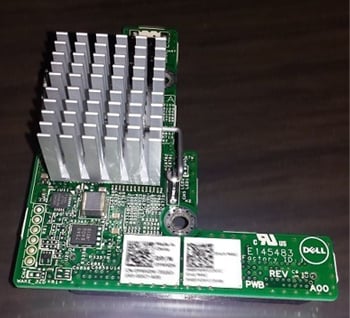
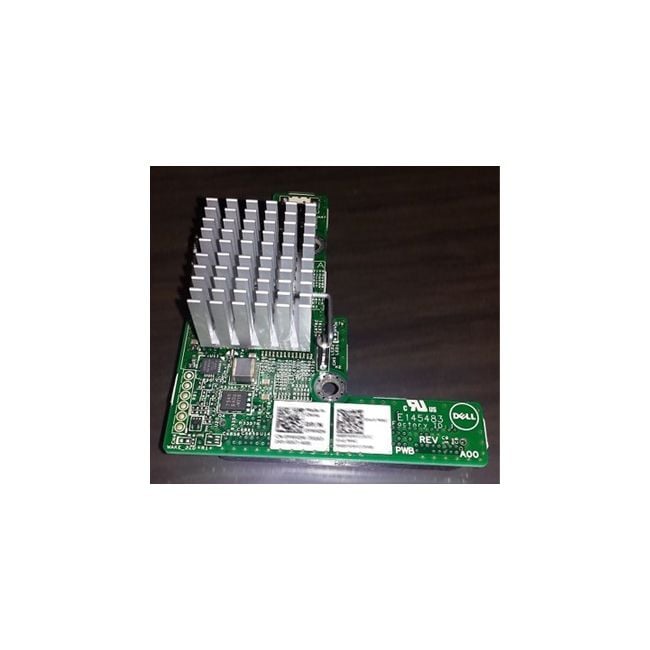
The YWVDK Dell Broadcom NetXtreme II 2-Ports 10Gb/s Network Interface Card provides dual high-speed connections tailored for Dell PowerEdge 420 servers. It fits into existing server setups to enhance network bandwidth and reduce processor overhead, making it a practical choice for environments demanding steady and robust data flow. |
General Information |
|
|---|---|
| Brand | Dell |
| Part Number | YWVDK |
Technical Information |
|
|---|---|
| Chipset/Controller | Broadcom NetXtreme II |
| Virtualization Support | SR-IOV |
| Data Rate (Speed) | 10GbE |
| Data Center Bridging | No |
| Storage Over Ethernet | iSCSI |
| Interface (Bus) | PCIe 2.0 x8 |
| Number of Ports | 2-Port (Dual) |
| OS Compatibility | RHEL, VMware ESXi |
| Network Management | SNMP |
| Offload Support | PXE Boot, TCP Stateless Offload, Jumbo Frames |
| Bracket Height | Both Brackets Included |
Connectivity & Physical |
|
|---|---|
| Form Factor | Standard PCIe Card |
| Port Type | SFP+ |
| Cabling Type | AOC |
| Weight | 5.00 |
| Condition | Refurbished |
Miscellaneous |
|
|---|---|
| Compliance Standards | RoHS, CE, FCC |
Product Description |
|---|
The YWVDK Dell Broadcom NetXtreme II is a dual-port 10 Gigabit Ethernet network interface card designed to boost network performance in PowerEdge 420 servers. It provides fast and reliable connectivity for data centers, virtualization, and high-throughput applications. Often found in enterprise and small to medium business environments, this NIC helps IT professionals and system administrators handle heavy network traffic effectively. It's built for deployments where reducing bottlenecks and maintaining consistent data transfer rates is critical. Key Features
This network card is typically deployed in data center racks or server rooms where fast, reliable networking is essential for critical workloads. It helps ensure smooth communication between servers and storage or across network fabrics without introducing delays. By integrating this NIC, organizations can improve network throughput, reduce latency, and support virtualization or cloud-based applications with more consistent performance. |
 Shipping Options
 International Delivery
Requires a UPS, FedEx, or DHL account. Customers may arrange pickup from our US warehouse.
International Delivery
Requires a UPS, FedEx, or DHL account. Customers may arrange pickup from our US warehouse.
 Payment Methods
We accept Visa, Mastercard, AMEX, Discover, and Wire Transfer.
Payment Methods
We accept Visa, Mastercard, AMEX, Discover, and Wire Transfer.
 Purchase Orders
We process purchase orders for government agencies, enterprises, data centers, and SMBs.
Purchase Orders
We process purchase orders for government agencies, enterprises, data centers, and SMBs.