

Subscribe To Our Newsletter!
Subscribe to the newsletter to stay up to date with the latest news and most useful
Newsletter
↑
Back to Top



Product Overview |
|---|
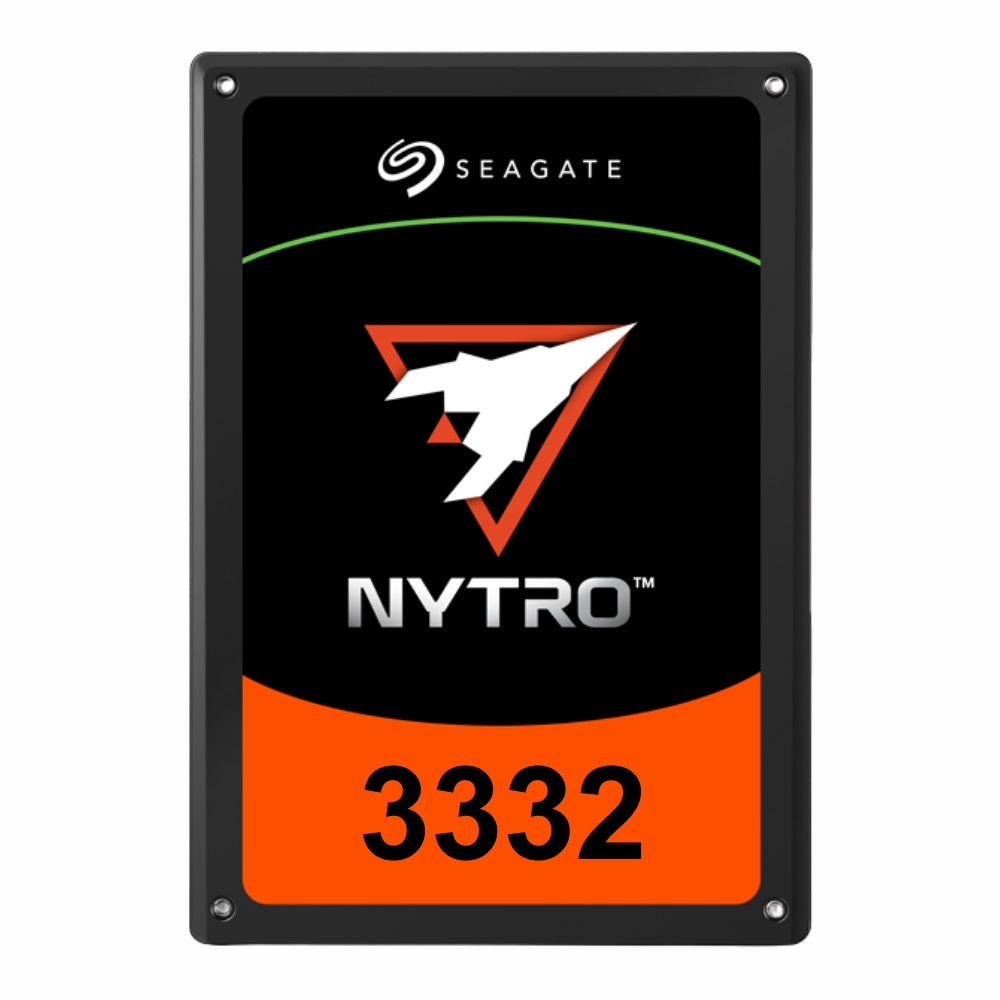
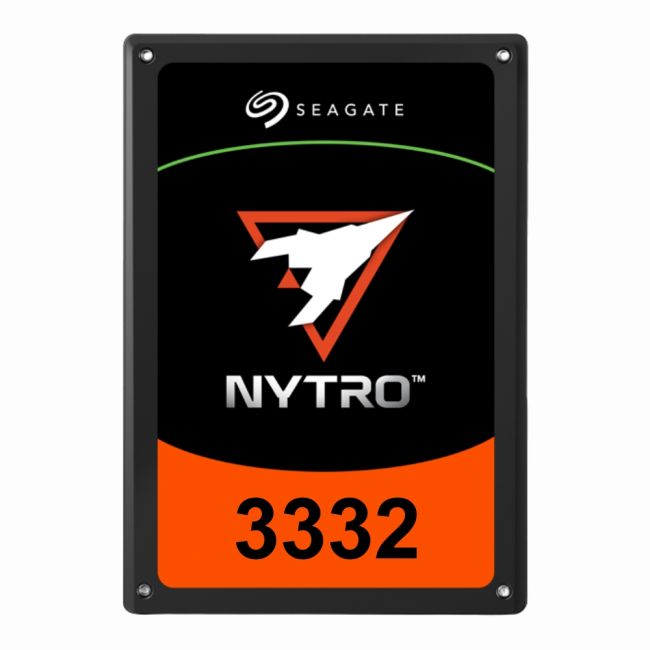
The Seagate Nytro 3332 Series 3.84TB SSD provides robust storage capacity with 3D TLC NAND technology, fitting well into enterprise environments requiring scalable and reliable storage. Its 12Gb/s SAS interface offers steady data transfer suitable for mixed workload applications, making it a dependable component in data centers and server infrastructures. |
General Information |
|
|---|---|
| Brand | Seagate |
| Part Number | XS3840SE70104 |
Technical Information |
|
|---|---|
| Capacity | 3.84TB |
| Memory Technology | Triple-Level Cell (TLC) |
| Form Factor | 2.5-inch |
| Interface | SAS 12Gb/s |
| MTBF | 2,000,000 hours |
| Hot Swappable | Yes |
| Hot Pluggable | Yes |
Physical Characteristics |
|
|---|---|
| Weight | 1.10 |
| Condition | Refurbished |
Miscellaneous |
|
|---|---|
| Eco Friendly | Yes |
| Compliance Standards | RoHS |
Product Description |
|---|
The Seagate Nytro 3332 Series SSD offers substantial storage capacity with 3.84TB, combining triple-level cell technology and 3D NAND for efficient data retention. This solid-state drive operates over a 12Gb/s SAS interface, making it a strong choice for data centers and enterprise environments that require dependable and speedy access to large datasets. Often found in server storage arrays and high-performance computing setups, the Nytro 3332 is built for IT professionals and organizations needing durable and scalable storage solutions. Its scaled endurance allows it to handle mixed workloads, balancing performance and longevity in demanding conditions. Key Features
This SSD is typically deployed in enterprise storage arrays and servers where reliable long-term performance is crucial. It helps organizations manage data efficiently without compromising on speed or endurance. By integrating this drive, IT teams can expect a balance between capacity and durability, supporting a variety of workloads and storage needs. |
 Shipping Options
 International Delivery
Requires a UPS, FedEx, or DHL account. Customers may arrange pickup from our US warehouse.
International Delivery
Requires a UPS, FedEx, or DHL account. Customers may arrange pickup from our US warehouse.
 Payment Methods
We accept Visa, Mastercard, AMEX, Discover, and Wire Transfer.
Payment Methods
We accept Visa, Mastercard, AMEX, Discover, and Wire Transfer.
 Purchase Orders
We process purchase orders for government agencies, enterprises, data centers, and SMBs.
Purchase Orders
We process purchase orders for government agencies, enterprises, data centers, and SMBs.