

Subscribe To Our Newsletter!
Subscribe to the newsletter to stay up to date with the latest news and most useful
Newsletter
↑
Back to Top



Product Overview |
|---|
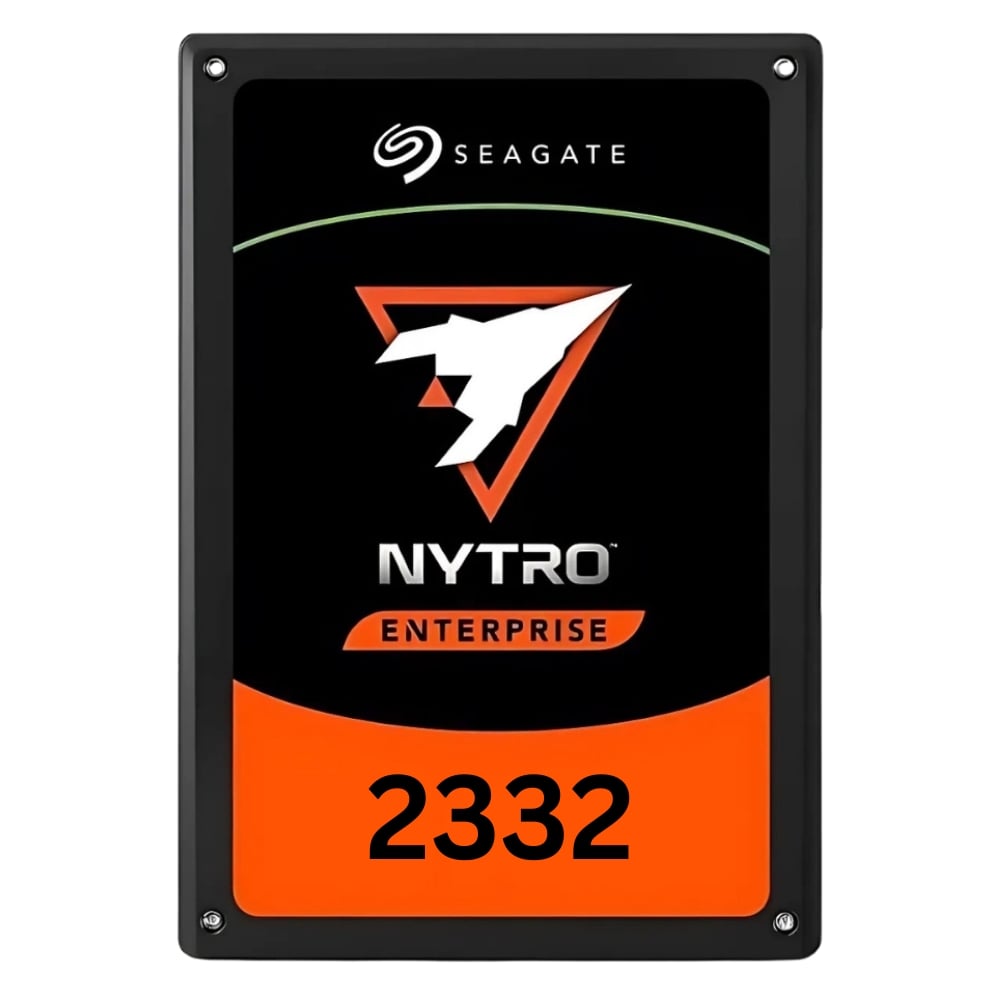
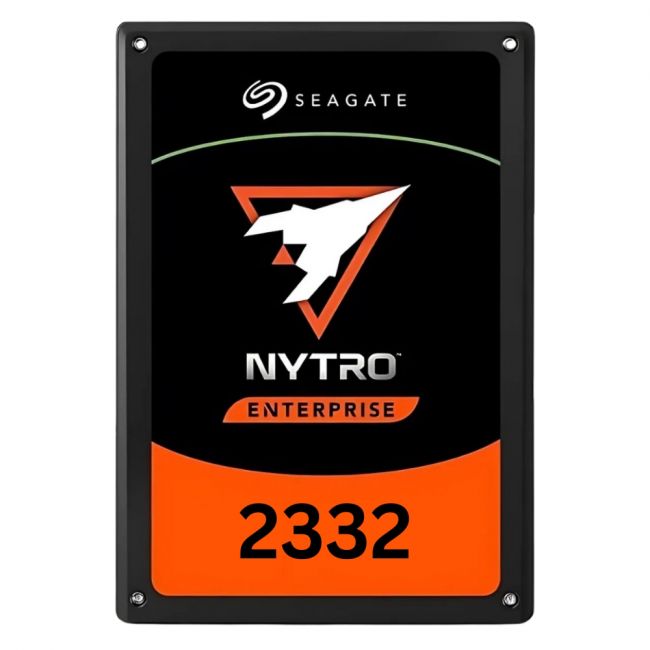
The XS1920SE70134 Seagate Nytro 2332 SSD provides a 1.92TB capacity with a 12Gbps SAS interface, housed in a 2.5-inch form factor. It features enterprise-grade endurance, optimized performance for data centers, and is tailored for Dell OEM deployments. |
General Information |
|
|---|---|
| Brand | Seagate |
| Part Number | XS1920SE70134 |
Technical Information |
|
|---|---|
| Capacity | 1.92TB |
| Form Factor | 2.5-inch |
| Interface | SAS 12Gbps |
Physical Characteristics |
|
|---|---|
| Weight | 0.60 |
| Condition | Refurbished |
Product Description |
|---|
The XS1920SE70134 Seagate Nytro 2332 is a 1.92TB SSD that offers fast data transfer using a 12Gbps SAS interface. This drive is often found in enterprise storage arrays and server environments where reliable and high-throughput storage is critical. Built for IT professionals and data center operators, it supports intensive workloads with a form factor compatible with standard 2.5-inch drive bays. The SSD’s architecture is optimized to deliver consistent performance and durability in demanding storage infrastructures. Key Features
The Seagate Nytro 2332 SSD contributes to overall system responsiveness and reliability. Its design ensures stable operation under heavy workloads, making it a dependable component in storage clusters and virtualized setups. |
Use Cases |
|---|
The Seagate Nytro 2332 1.92TB SAS SSD is typically deployed in enterprise data centers running mission-critical applications, with particular benefit for organizations using Dell infrastructure seeking reliable high-capacity storage without compromising on performance or compatibility. How It's Used:
The combination of 1.92TB capacity and SAS 12Gbps performance enables organizations to consolidate multiple workloads onto fewer drives while maintaining the responsiveness required for production environments, ultimately improving rack density and reducing per-TB infrastructure costs. |
 Shipping Options
 International Delivery
Requires a UPS, FedEx, or DHL account. Customers may arrange pickup from our US warehouse.
International Delivery
Requires a UPS, FedEx, or DHL account. Customers may arrange pickup from our US warehouse.
 Payment Methods
We accept Visa, Mastercard, AMEX, Discover, and Wire Transfer.
Payment Methods
We accept Visa, Mastercard, AMEX, Discover, and Wire Transfer.
 Purchase Orders
We process purchase orders for government agencies, enterprises, data centers, and SMBs.
Purchase Orders
We process purchase orders for government agencies, enterprises, data centers, and SMBs.