

Subscribe To Our Newsletter!
Subscribe to the newsletter to stay up to date with the latest news and most useful
Newsletter
↑
Back to Top



Product Overview |
|---|
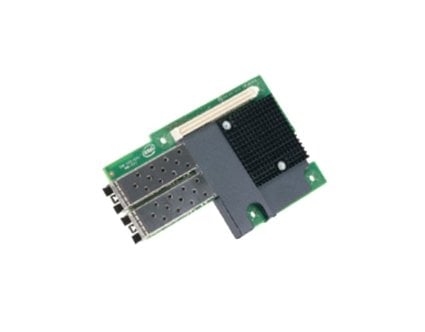
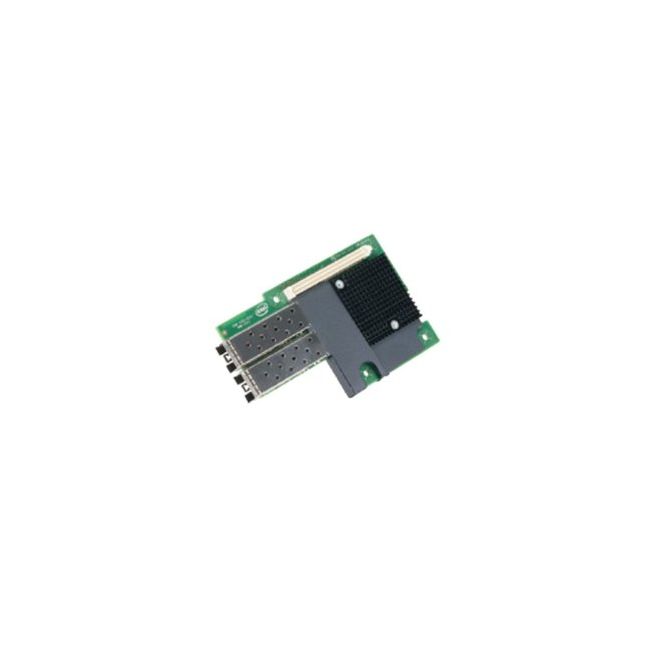
The Intel X520-DA1-OCP adapter provides a single 10GbE port designed for OCP server platforms. It fits into PCIe slots to deliver fast, reliable network connectivity ideal for data centers and cloud services. Its focus is on stable performance in environments that need high bandwidth and low latency without extra complexity. |
General Information |
|
|---|---|
| Brand | Intel |
| Part Number | X520-DA1-OCP |
| Series | Intel X520 Series |
Connectivity & Physical |
|
|---|---|
| Weight | 5.00 |
| Condition | Refurbished |
Miscellaneous |
|
|---|---|
| Assembly Required | Yes |
| Eco Friendly | Yes |
| Compliance Standards | WEEE, RoHS, cURus, CE, FCC, CCC, UL, TUV, cULus, CSA, cUL |
Product Description |
|---|
The Intel X520-DA1-OCP is a high-speed network adapter designed to provide 10GbE connectivity for servers. It's commonly found in data centers and enterprise environments where fast, stable network connections are critical. Built for use in Open Compute Project (OCP) compatible servers, this adapter delivers reliable performance for virtualization, storage, and cloud workloads. Key Features
You'll typically see this adapter deployed in large-scale data centers or enterprise servers where network efficiency is essential. It helps maintain smooth data flow, reduce bottlenecks, and supports critical business applications without interruption. |
Use Cases |
|---|
The Intel X520-DA1-OCP 10GB single-port Ethernet server adapter is primarily utilized in high-performance server environments requiring scalable network throughput. Its compatibility with OCP platforms makes it suitable for large-scale data centers and cloud infrastructures where efficient bandwidth management and low latency are critical. How It's Used:
This adapter contributes to operational efficiency by offering reliable 10GbE connectivity tailored for scalable server architectures. Its deployment in demanding network scenarios helps maintain performance consistency and supports the bandwidth requirements of modern virtualized and cloud-based applications. |
 Shipping Options
 International Delivery
Requires a UPS, FedEx, or DHL account. Customers may arrange pickup from our US warehouse.
International Delivery
Requires a UPS, FedEx, or DHL account. Customers may arrange pickup from our US warehouse.
 Payment Methods
We accept Visa, Mastercard, AMEX, Discover, and Wire Transfer.
Payment Methods
We accept Visa, Mastercard, AMEX, Discover, and Wire Transfer.
 Purchase Orders
We process purchase orders for government agencies, enterprises, data centers, and SMBs.
Purchase Orders
We process purchase orders for government agencies, enterprises, data centers, and SMBs.