

Subscribe To Our Newsletter!
Subscribe to the newsletter to stay up to date with the latest news and most useful
Newsletter
↑
Back to Top



Product Overview |
|---|
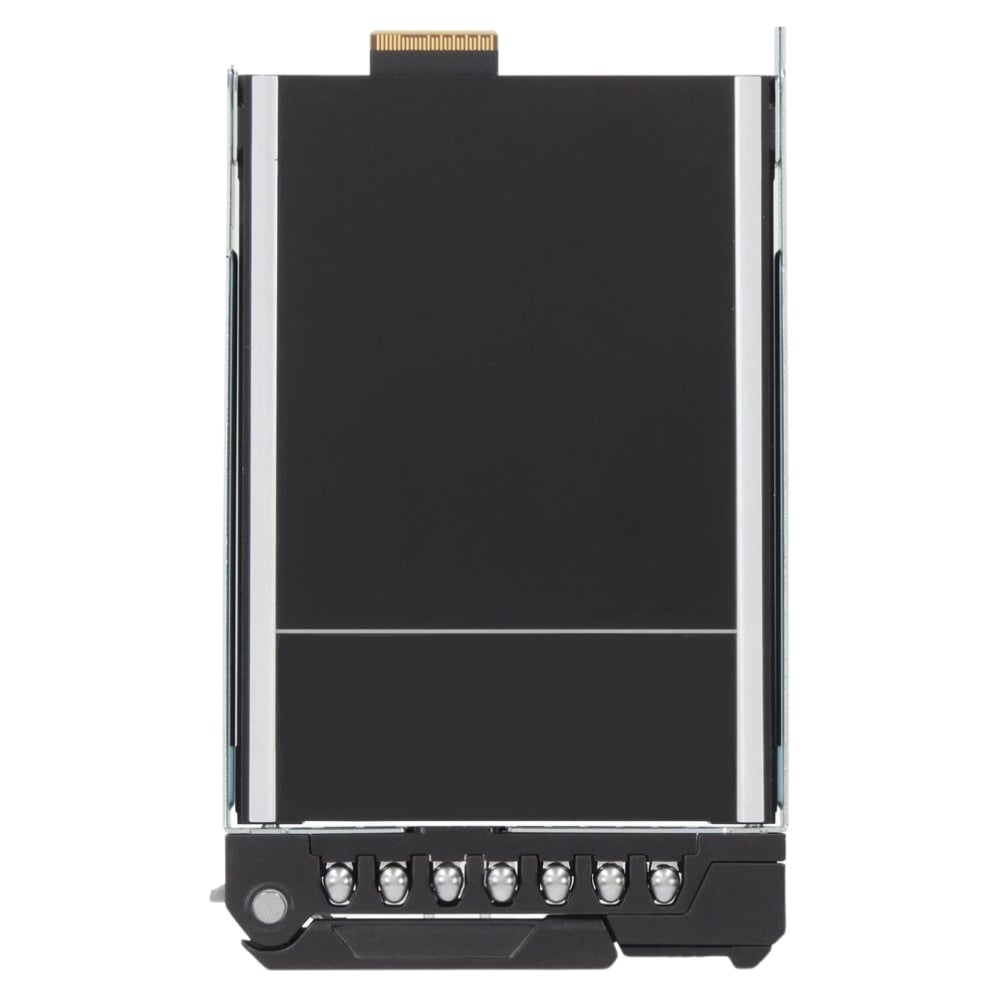
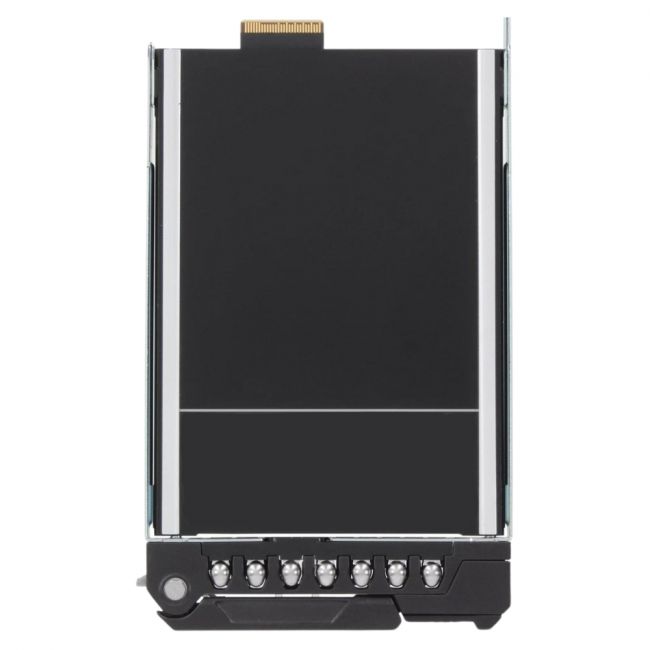
The WV1RJ Dell 3.2TB NVMe PCIe Gen5 x4 E3.S Mixed Use TLC SSD integrates a high-capacity NVMe storage solution with PCIe Gen5 interface, delivering balanced endurance and performance through mixed use TLC NAND, all within an E3.S form factor designed for enterprise deployment. |
General Information |
|
|---|---|
| Brand | Dell |
| Part Number | WV1RJ |
Technical Information |
|
|---|---|
| Capacity | 3.2TB |
| NAND Flash | TLC |
| Memory Technology | Triple-Level Cell (TLC) |
| Form Factor | E3.S |
| Interface | PCIe Gen 5.0 x4 |
Physical Characteristics |
|
|---|---|
| Weight | 0.60 |
| Condition | Refurbished |
Product Description |
|---|
The WV1RJ Dell 3.2TB NVMe PCIe Gen5 x4 E3.S Mixed Use TLC SSD is designed to deliver exceptional storage performance for enterprise environments. It leverages the latest PCIe Gen5 interface to provide ultra-fast data transfer speeds, making it suitable for demanding workloads and data-intensive applications. Typically found in data centers, cloud infrastructure, and high-performance computing systems, this SSD caters to IT professionals and organizations requiring reliable and scalable storage solutions. Its E3.S form factor ensures compatibility with modern server hardware, while the mixed use TLC NAND technology balances endurance and performance effectively. Key Features
This SSD is engineered to meet the needs of enterprise applications that require fast, reliable, and scalable storage. It supports enhanced data center operations by reducing bottlenecks and improving overall system responsiveness. The WV1RJ Dell SSD is a robust choice for future-proofing storage infrastructures. |
Use Cases |
|---|
The WV1RJ Dell 3.2TB NVMe PCIe Gen5 x4 E3.S Mixed Use TLC SSD is suited for demanding enterprise storage applications where speed and reliability are critical. How It's Used:
This SSD enables enterprises to optimize storage performance and capacity, helping to streamline data center operations and improve application responsiveness. |
 Shipping Options
 International Delivery
Requires a UPS, FedEx, or DHL account. Customers may arrange pickup from our US warehouse.
International Delivery
Requires a UPS, FedEx, or DHL account. Customers may arrange pickup from our US warehouse.
 Payment Methods
We accept Visa, Mastercard, AMEX, Discover, and Wire Transfer.
Payment Methods
We accept Visa, Mastercard, AMEX, Discover, and Wire Transfer.
 Purchase Orders
We process purchase orders for government agencies, enterprises, data centers, and SMBs.
Purchase Orders
We process purchase orders for government agencies, enterprises, data centers, and SMBs.