

Subscribe To Our Newsletter!
Subscribe to the newsletter to stay up to date with the latest news and most useful
Newsletter
↑
Back to Top



Product Overview |
|---|
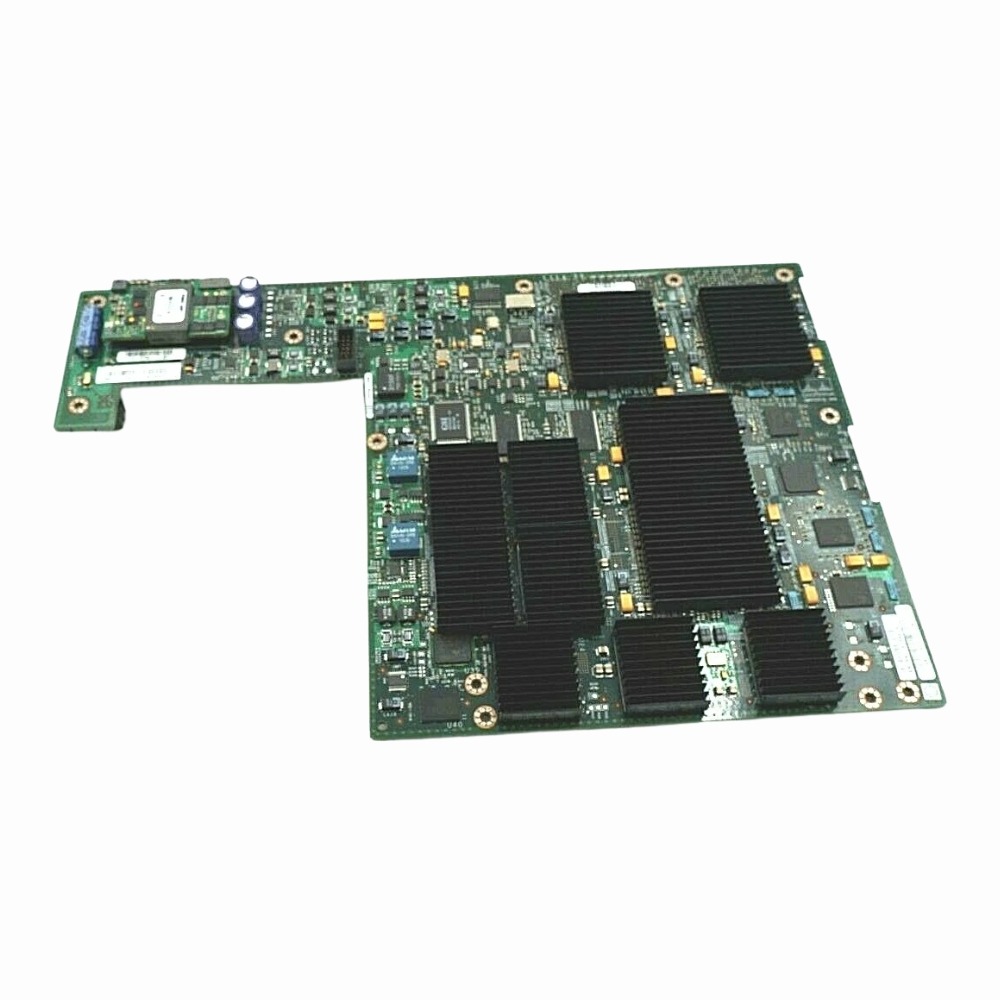
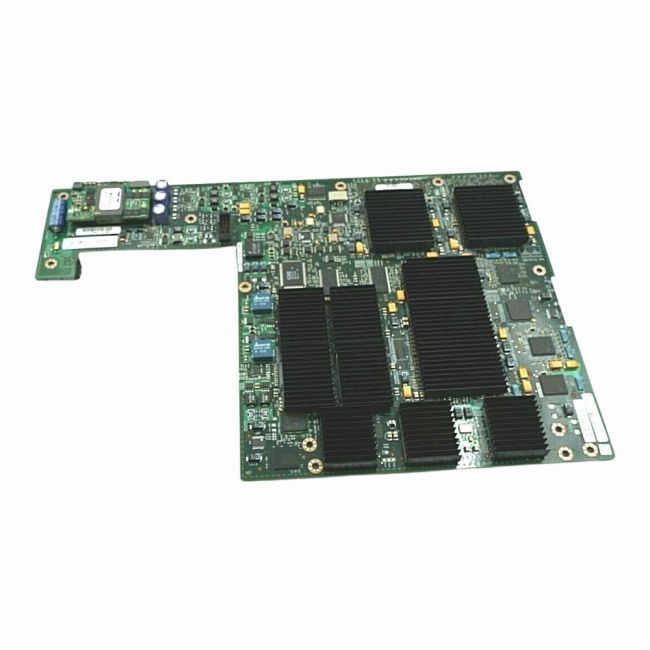
The Cisco Catalyst 6500 Series Distributed Forwarding Card 3 enhances packet handling by taking forwarding processes away from the main CPU, fitting into WS-X67XX modules to improve throughput and reduce processing delays. It serves as an important component in networks that require dependable, high-speed data forwarding. |
General Information |
|
|---|---|
| Brand | Cisco |
| Part Number | WS-F6700-DFC3CXL |
Technical Information |
|
|---|---|
| Data Center Bridging | No |
Connectivity & Physical |
|
|---|---|
| Form Factor | Mezzanine Card |
| Weight | 5.00 |
| Condition | Refurbished |
Miscellaneous |
|
|---|---|
| Assembly Required | Yes |
| Eco Friendly | Yes |
| Compliance Standards | WEEE, RoHS, CE, FCC, UL, cULus |
Product Description |
|---|
The Cisco Catalyst 6500 Series Distributed Forwarding Card 3 (DFC3) is built to offload packet forwarding from the main CPU, streamlining data processing within supported WS-X67XX modules. Often found in enterprise and service provider networks, it helps manage high volumes of traffic efficiently. Engineered for network administrators and engineers, this card boosts performance by handling forwarding tasks directly, reducing latency and enhancing overall network reliability. Key Features
This card is typically deployed in data centers and large campus networks where high-speed packet processing is critical. By offloading forwarding tasks, it allows the network to maintain smooth operation under heavy traffic loads. In real-world setups, it plays a key role in ensuring low latency and high throughput, helping organizations maintain consistent network performance. |
Use Cases |
|---|
The Cisco Catalyst 6500 Distributed Forwarding Card 3 is primarily deployed in high-capacity enterprise and data center environments where network throughput and latency are critical factors. It benefits IT teams managing complex, high-density networks requiring dedicated hardware to offload forwarding tasks from primary CPUs, thus optimizing performance. How It's Used:
By integrating the Distributed Forwarding Card 3, network operators can achieve better scalability and maintain high forwarding rates without adding processing overhead to the supervisor engines. This approach supports operational efficiency and ensures sustained network performance under heavy, mixed workloads. |
 Shipping Options
 International Delivery
Requires a UPS, FedEx, or DHL account. Customers may arrange pickup from our US warehouse.
International Delivery
Requires a UPS, FedEx, or DHL account. Customers may arrange pickup from our US warehouse.
 Payment Methods
We accept Visa, Mastercard, AMEX, Discover, and Wire Transfer.
Payment Methods
We accept Visa, Mastercard, AMEX, Discover, and Wire Transfer.
 Purchase Orders
We process purchase orders for government agencies, enterprises, data centers, and SMBs.
Purchase Orders
We process purchase orders for government agencies, enterprises, data centers, and SMBs.