

Subscribe To Our Newsletter!
Subscribe to the newsletter to stay up to date with the latest news and most useful
Newsletter
↑
Back to Top



Product Overview |
|---|
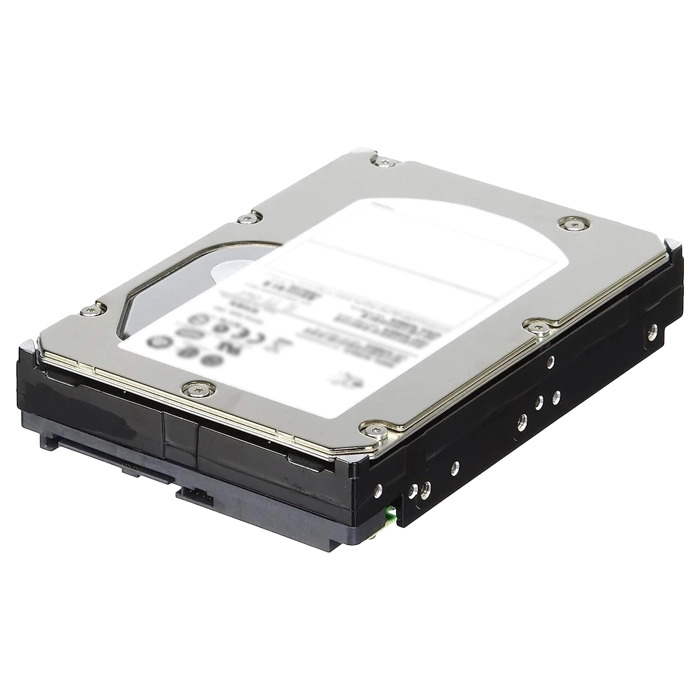
The WDS380S Western Digital 80MB SCSI 50-Pin 3.5-Inch Internal Hard Drive provides moderate storage capacity for older systems and fits within the SCSI 50-pin standard commonly found in legacy computing environments. It’s designed to slot into a 3.5-inch bay inside desktops or servers requiring internal hard disk solutions from an earlier generation. |
General Information |
|
|---|---|
| Brand | Western Digital |
| Part Number | WDS380S |
Technical Information |
|
|---|---|
| Form Factor | 3.5-inch |
| Disk Format | SCSI |
| Hot Pluggable | No |
| Hot Swappable | No |
| Hybrid Drive | No |
Interfaces/Ports |
|
|---|---|
| Interface | SCSI-2 |
Physical Characteristics |
|
|---|---|
| Condition | Refurbished |
| Weight | 1.76 |
Product Description |
|---|
The WDS380S is a Western Digital internal hard drive featuring 80MB of storage with a 50-pin SCSI interface. It’s often found in older desktop computers and servers where SCSI drives were standard for data storage and transfer. Built for systems that require reliable and consistent performance in a compact 3.5-inch size, this drive suits professionals maintaining legacy hardware or running specialized applications needing SCSI connectivity. Key Features
These drives are typically deployed in older workstations, vintage servers, or industrial equipment where modern interfaces are not supported. They play a key role in keeping legacy systems operational without needing major upgrades. |
Use Cases |
|---|
The WDS380S Western Digital 80MB SCSI 50-Pin 3.5-Inch Internal Hard Drive is primarily utilized in legacy computing environments where older hardware and software systems remain operational. Organizations maintaining vintage servers or workstations benefit from this drive to ensure compatibility and data integrity within their existing infrastructure. How It's Used:
This drive supports operational continuity by providing a dependable storage solution tailored to legacy environments, thereby minimizing downtime and preserving data access. While limited in capacity by modern standards, its compatibility ensures scalability in mixed-generation system deployments. |
 Shipping Options
 International Delivery
Requires a UPS, FedEx, or DHL account. Customers may arrange pickup from our US warehouse.
International Delivery
Requires a UPS, FedEx, or DHL account. Customers may arrange pickup from our US warehouse.
 Payment Methods
We accept Visa, Mastercard, AMEX, Discover, and Wire Transfer.
Payment Methods
We accept Visa, Mastercard, AMEX, Discover, and Wire Transfer.
 Purchase Orders
We process purchase orders for government agencies, enterprises, data centers, and SMBs.
Purchase Orders
We process purchase orders for government agencies, enterprises, data centers, and SMBs.