

Subscribe To Our Newsletter!
Subscribe to the newsletter to stay up to date with the latest news and most useful
Newsletter
↑
Back to Top



Product Overview |
|---|
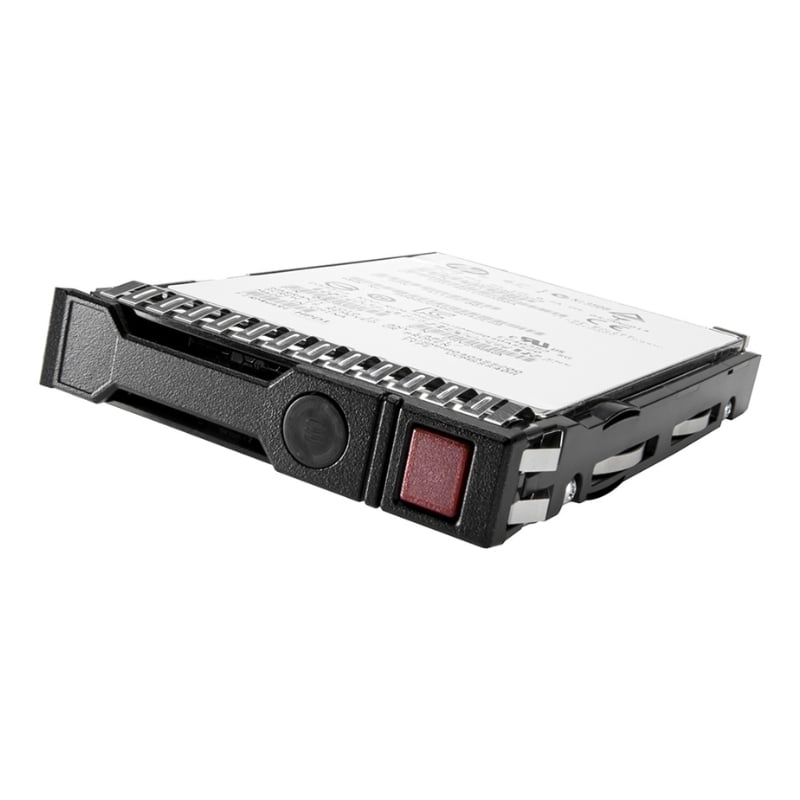
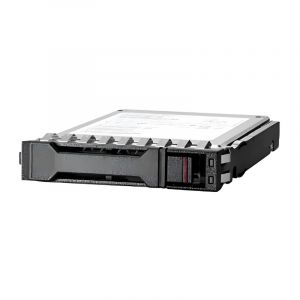
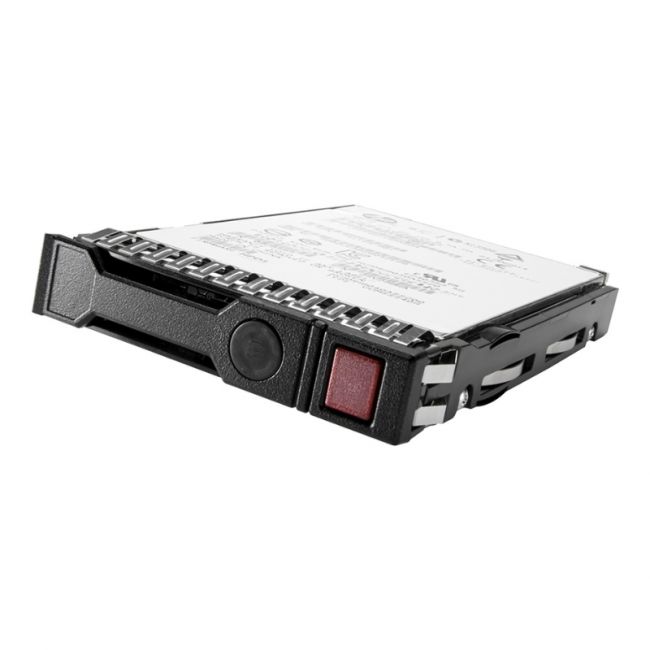
The HPE VO001920KWVBT 1.92TB PCIe 3.0 x4 NVMe 2.5-Inch Solid State Drive is tailored for enterprise environments requiring efficient and reliable storage solutions. Its high-speed interface and substantial capacity ensure enhanced system responsiveness, particularly for read-intensive applications. Designed for seamless integration into existing server architectures, this SSD supports the demands of modern data centers, providing a dependable foundation for data-driven operations. |
General Information |
|
|---|---|
| Brand | HPE |
| Part Number | VO001920KWVBT |
| Drive Type | NVMe |
Technical Information |
|
|---|---|
| Capacity | 1.92TB |
| Form Factor | 2.5-inch |
| Interface | PCIe Gen 3.0 x4 |
Physical Characteristics |
|
|---|---|
| Dimensions | 0.28 x 2.75x 3.94 inches |
| Weight | 0.50 |
| Condition | Refurbished |
Product Description |
|---|
The HPE VO001920KWVBT is a 1.92TB solid-state drive designed to enhance enterprise storage solutions. Utilizing a PCIe 3.0 x4 NVMe interface, it delivers rapid data transfer rates, significantly improving system performance. Its 2.5-inch form factor ensures compatibility with a wide range of server configurations, facilitating easy upgrades and expansions. Engineered for read-intensive workloads, this SSD provides reliable and efficient performance for applications requiring frequent data retrieval. Key Features
This SSD offers a balance of high capacity and performance, making it an ideal choice for enterprises seeking to optimize their storage infrastructure. |
Use Cases |
|---|
The HPE VO001920KWVBT 1.92TB NVMe SSD is commonly deployed in enterprise data centers and virtualization environments where high-speed read access is critical. IT professionals managing storage clusters or rack-mounted servers benefit from its reliability and performance in handling read-heavy workloads. How It's Used:
This SSD facilitates improved operational efficiency by minimizing storage bottlenecks, allowing scalable growth in high-demand environments. Its integration into existing server architectures helps sustain consistent performance for critical business applications. |
 Shipping Options
 International Delivery
Requires a UPS, FedEx, or DHL account. Customers may arrange pickup from our US warehouse.
International Delivery
Requires a UPS, FedEx, or DHL account. Customers may arrange pickup from our US warehouse.
 Payment Methods
We accept Visa, Mastercard, AMEX, Discover, and Wire Transfer.
Payment Methods
We accept Visa, Mastercard, AMEX, Discover, and Wire Transfer.
 Purchase Orders
We process purchase orders for government agencies, enterprises, data centers, and SMBs.
Purchase Orders
We process purchase orders for government agencies, enterprises, data centers, and SMBs.