

Subscribe To Our Newsletter!
Subscribe to the newsletter to stay up to date with the latest news and most useful
Newsletter
↑
Back to Top



Product Overview |
|---|
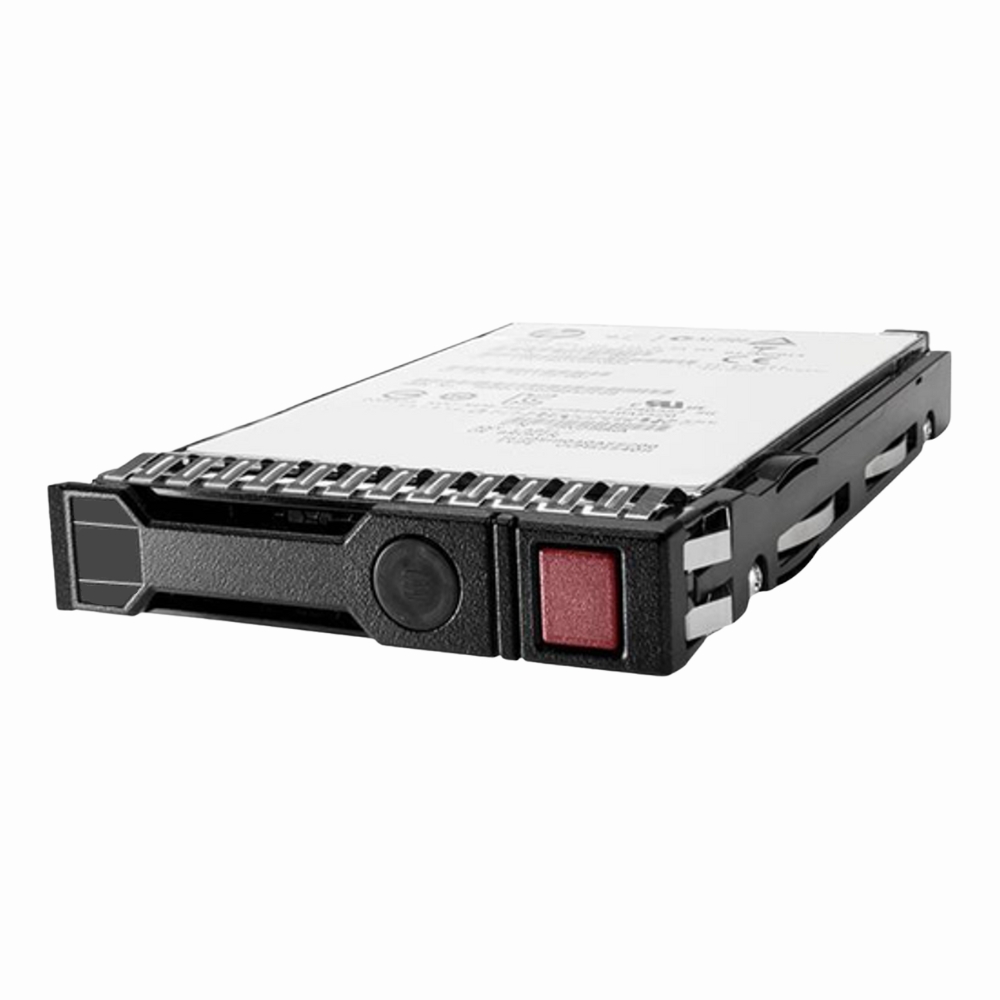
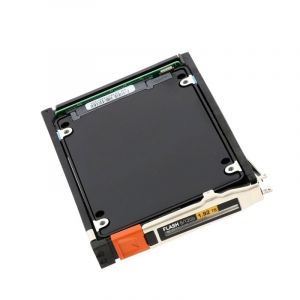
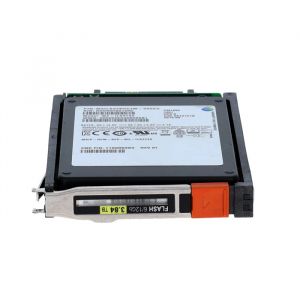
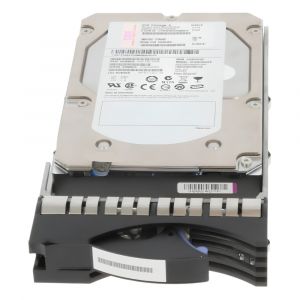
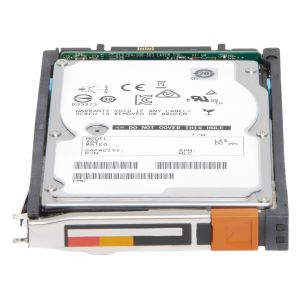
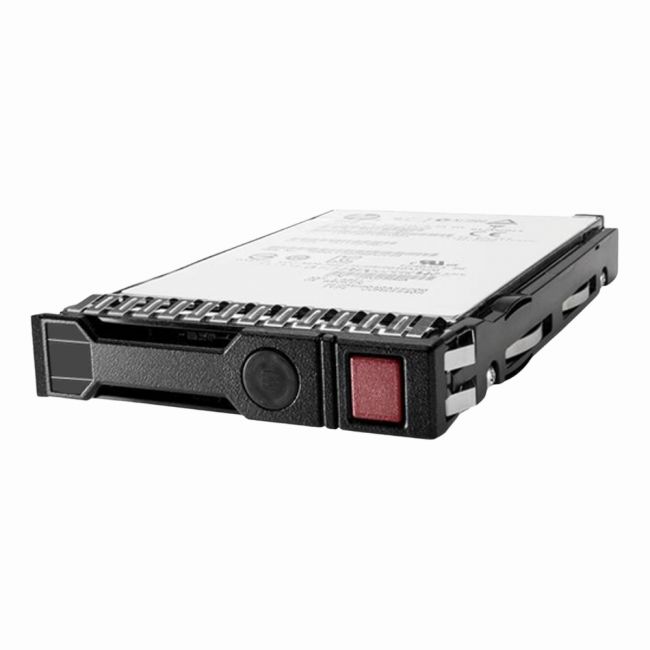
The HPE 960GB SAS-3 12Gb/s 2.5" SFF Read-Intensive SSD delivers 960GB of storage capacity in a 2.5-inch small form factor. It interfaces with systems through a SAS-3 connection supporting up to 12Gb/s data transfer rates, and it is designed specifically for read-intensive workloads common in enterprise IT environments. |
General Information |
|
|---|---|
| Brand | HPE |
Technical Information |
|
|---|---|
| Capacity | 960GB |
| Form Factor | 2.5-inch |
| Interface | SAS 12Gb/s |
| Hot Swappable | Yes |
| Hot Pluggable | Yes |
Physical Characteristics |
|
|---|---|
| Weight | 0.60 |
| Condition | Refurbished |
Product Description |
|---|
The HPE 960GB SAS-3 12Gb/s 2.5" SFF Read-Intensive SSD is a solid-state drive engineered for enterprise storage environments requiring substantial read throughput. It fits into 2.5-inch small form factor (SFF) drive bays and connects via a SAS-3 interface supporting up to 12Gb/s transfer speeds. This SSD is commonly deployed in data centers and enterprise server storage arrays where read-intensive workload profiles are typical, such as database operations, virtualization, and content delivery applications. It is primarily utilized by IT professionals managing high-density storage solutions. Key Features
This SSD provides a balance of capacity and interface speed tailored for environments prioritizing read operations. It contributes to reducing latency and improving data access times in storage infrastructures designed for demanding enterprise workloads. |
Use Cases |
|---|
This SSD is typically used in enterprise data centers and server environments where read-intensive applications are prevalent. It suits workloads that require consistent and fast read access to large volumes of data, benefiting IT administrators managing storage arrays with SAS connectivity. How It's Used:
In these roles, the SSD helps maintain steady data throughput and reduces system latency, contributing to operational efficiency within enterprise storage infrastructures. |
FAQ's |
|---|
|
 Shipping Options
 International Delivery
Requires a UPS, FedEx, or DHL account. Customers may arrange pickup from our US warehouse.
 Payment Methods
We accept Visa, Mastercard, AMEX, Discover, and Wire Transfer.
 Purchase Orders
We process purchase orders for government agencies, enterprises, data centers, and SMBs.