

Subscribe To Our Newsletter!
Subscribe to the newsletter to stay up to date with the latest news and most useful
Newsletter
↑
Back to Top



Product Overview |
|---|
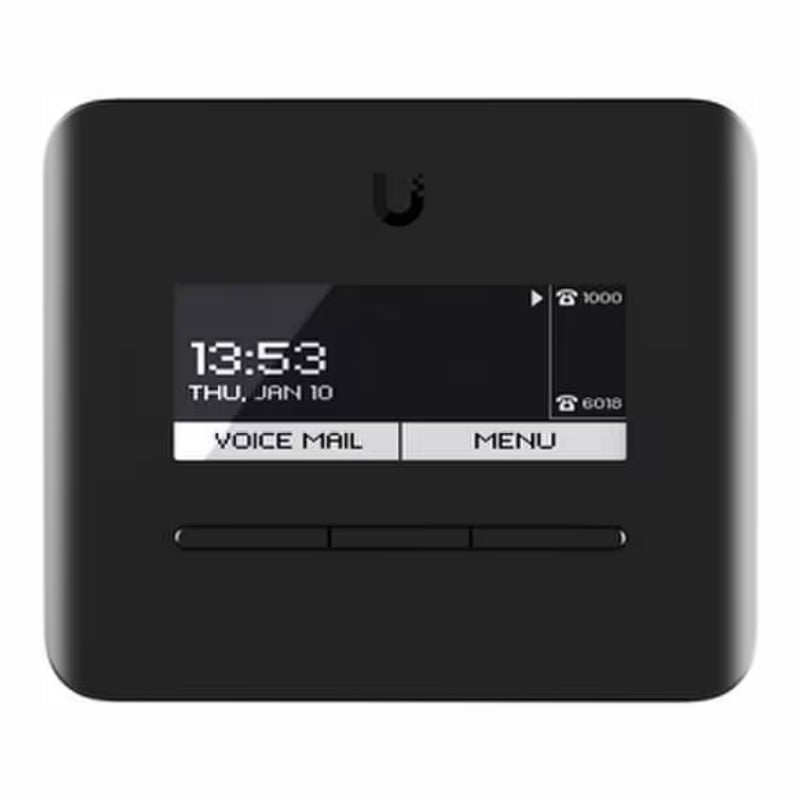
The UT-ATA-US Ubiquiti Analog Telephone Adapter connects traditional analog telephones and fax machines to IP-based phone networks, making it a practical solution for offices integrating VoIP technology. It fits into setups where legacy devices need to communicate over modern systems without extensive rewiring or replacement. |
General Information |
|
|---|---|
| Brand | Ubiquiti |
| Part Number | UT-ATA-US |
Physical Characteristics |
|
|---|---|
| Condition | Refurbished |
| Weight | 5.00 |
Miscellaneous |
|
|---|---|
| Assembly Required | Yes |
| Eco Friendly | Yes |
| Compliance Standards | WEEE, RoHS, cURus, CE, FCC, CCC, UL, TUV, cULus, CSA, cUL |
Product Description |
|---|
The UT-ATA-US is designed to bridge traditional analog telephony equipment with modern VoIP systems. It allows users to manage analog telephones and fax machines over IP networks, enabling efficient communication without replacing existing hardware. Often found in small offices or home environments, this adapter is built for users who want to integrate their legacy devices into a digital communication setup. IT professionals and office managers typically use this device to simplify telephony infrastructure and reduce costs. Key Features
It's commonly deployed in environments where analog phones or fax machines still play a role, such as small businesses or remote offices. This adapter helps extend the life of existing equipment while providing access to modern communication features. |
Use Cases |
|---|
The UT-ATA-US Analog Telephone Adapter is commonly deployed in office environments where legacy analog phones and fax machines must be integrated into VoIP networks. It is particularly valuable for SMBs and enterprise branch offices seeking seamless communication without replacing existing analog hardware. How It's Used:
This adapter facilitates operational efficiency by allowing existing analog equipment to communicate over scalable IP networks, reducing the need for immediate hardware replacement. Its compatibility with standard telephony infrastructure supports gradual migration strategies in complex communication environments. |
 Shipping Options
 International Delivery
Requires a UPS, FedEx, or DHL account. Customers may arrange pickup from our US warehouse.
International Delivery
Requires a UPS, FedEx, or DHL account. Customers may arrange pickup from our US warehouse.
 Payment Methods
We accept Visa, Mastercard, AMEX, Discover, and Wire Transfer.
Payment Methods
We accept Visa, Mastercard, AMEX, Discover, and Wire Transfer.
 Purchase Orders
We process purchase orders for government agencies, enterprises, data centers, and SMBs.
Purchase Orders
We process purchase orders for government agencies, enterprises, data centers, and SMBs.