

Subscribe To Our Newsletter!
Subscribe to the newsletter to stay up to date with the latest news and most useful
Newsletter
↑
Back to Top



Product Overview |
|---|
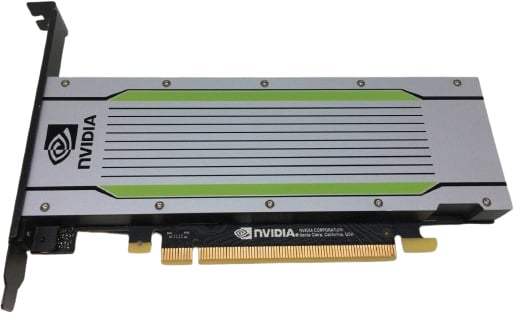
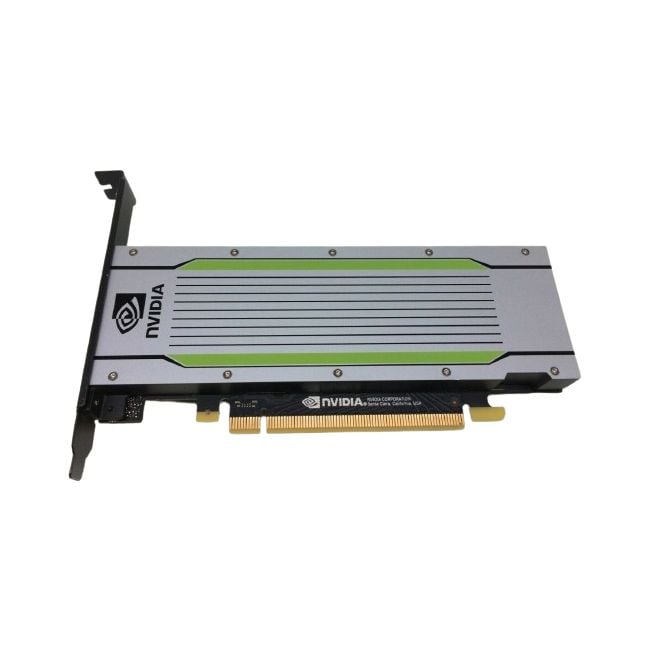
The Cisco UCSB-GPU-P6-F pairs an NVIDIA Tesla P6 GPU with Cisco UCS servers to boost graphics and compute performance. It fits into the front mezzanine slot, making it a practical solution for data centers aiming to add GPU power without expanding server size or complexity. |
General Information |
|
|---|---|
| Brand | Cisco |
| Part Number | UCSB-GPU-P6-F |
Technical Information |
|
|---|---|
| Chipset | Nvidia |
| Bus Interface | PCIe 3.0 x16 (Mezzanine PCIe interface for Cisco UCS B‑Series) |
| Supported APIs | DirectX 11, DirectX 12, OpenGL: 4.5, OpenGL: 4.6, OpenCL, Vulkan: 1, CUDA, Shader Model: 5.1, DirectCompute |
| Output Interface | None (compute/virtualization GPU — no direct display outputs) |
| Power Connectors | None (powered via server backplane / mezzanine slot) |
Memory |
|
|---|---|
| Memory Size | 8GB |
| Interface | GDDR5 |
| Memory Bus | 256-bit |
Physical Characteristics |
|
|---|---|
| Slot Width | Mezzanine (front mezzanine card for Cisco UCS B‑Series) |
| Weight | 5.00 |
| Condition | Refurbished |
Miscellaneous |
|
|---|---|
| Assembly Required | Yes |
| Eco Friendly | Yes |
| Compliance Standards | WEEE, RoHS, cURus, CE, FCC, CCC, UL, TUV, cULus, CSA, cUL |
Product Description |
|---|
The Cisco UCSB-GPU-P6-F is a GPU module equipped with the NVIDIA Tesla P6 processor, tailored for use within Cisco Unified Computing System servers. It provides high-performance graphics and parallel computing power, often found in data centers that need virtual desktop infrastructure (VDI) or AI acceleration. Built for IT professionals and organizations running heavy graphical applications or machine learning tasks, this GPU card slots in as a front mezzanine device, ensuring compact and efficient deployment within server environments. Key Features
This GPU is typically deployed in enterprise data centers focused on enhancing user experience through virtual desktops or accelerating AI applications. Its role helps reduce bottlenecks in compute-heavy tasks while maintaining efficient use of server resources. |
 Shipping Options
 International Delivery
Requires a UPS, FedEx, or DHL account. Customers may arrange pickup from our US warehouse.
International Delivery
Requires a UPS, FedEx, or DHL account. Customers may arrange pickup from our US warehouse.
 Payment Methods
We accept Visa, Mastercard, AMEX, Discover, and Wire Transfer.
Payment Methods
We accept Visa, Mastercard, AMEX, Discover, and Wire Transfer.
 Purchase Orders
We process purchase orders for government agencies, enterprises, data centers, and SMBs.
Purchase Orders
We process purchase orders for government agencies, enterprises, data centers, and SMBs.