

Subscribe To Our Newsletter!
Subscribe to the newsletter to stay up to date with the latest news and most useful
Newsletter
↑
Back to Top



Product Overview |
|---|
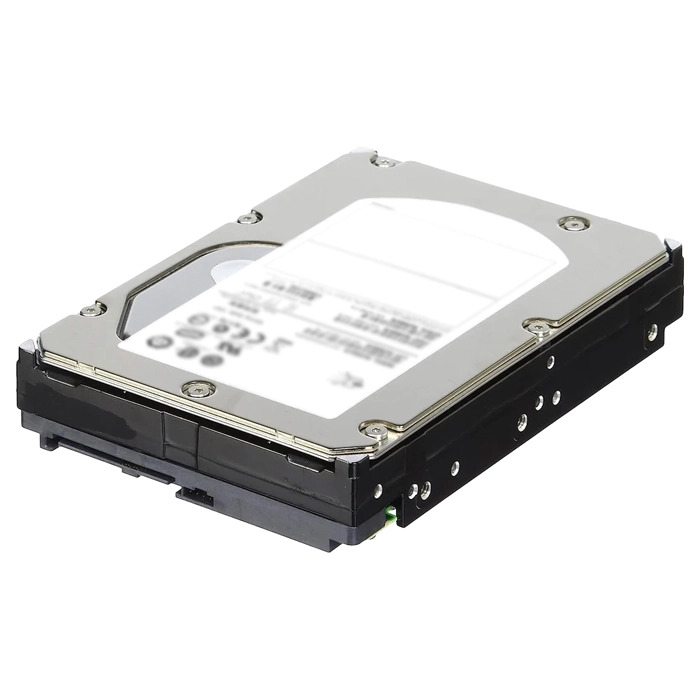
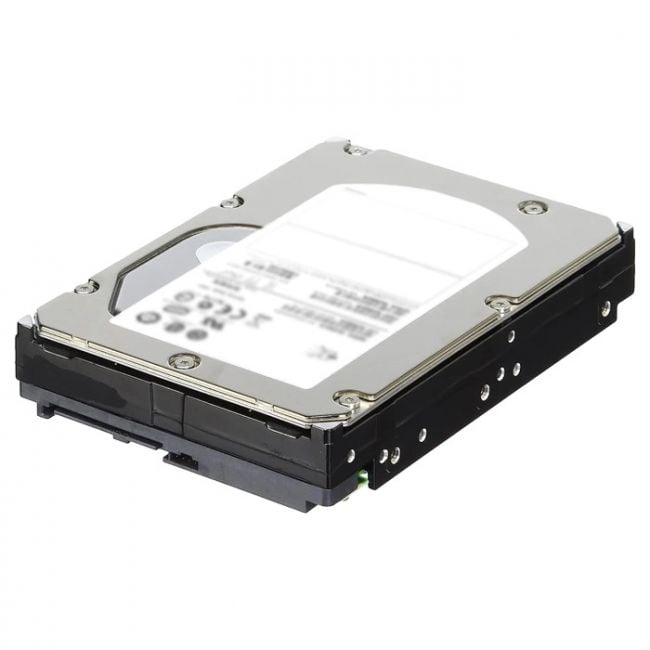
The TR70S026 Quantum Trailblazer is a 3.5-inch internal hard drive known for its use in legacy computer systems. It provides 700MB of storage with a 4500 RPM spindle speed and utilizes a 50-pin SCSI interface, making it a reliable option for maintaining older equipment that depends on these specifications. |
General Information |
|
|---|---|
| Brand | Quantum |
| Part Number | TR70S026 |
Technical Information |
|
|---|---|
| Form Factor | 3.5-inch |
| Disk Format | 3.5-inch |
| Cache | 128KB |
| Spindle Speed | 4500 RPM |
| Hot Pluggable | No |
| Hot Swappable | No |
| Hybrid Drive | No |
Interfaces/Ports |
|
|---|---|
| Interface | SCSI-2 |
Physical Characteristics |
|
|---|---|
| Condition | Refurbished |
| Weight | 1.76 |
Product Description |
|---|
The TR70S026 Quantum Trailblazer is an internal hard drive designed to provide dependable storage and data retrieval. Its 700MB capacity makes it suitable for legacy systems or applications requiring moderate storage space. Often found in older workstations or servers, this 3.5-inch drive uses a SCSI interface with a 50-pin connection, which was common in professional or enterprise environments seeking robust performance. Key Features
This hard drive is typically deployed in older computing setups, including business servers and specialized hardware requiring stable storage. It plays a role where compatibility and consistent performance are more critical than large capacity or high-speed throughput. |
Use Cases |
|---|
The TR70S026 Quantum 700MB 4500RPM SCSI 50-Pin 128KB Cache 3.5" HDD is primarily utilized in legacy IT environments requiring compatibility with older hardware. It is suited for organizations maintaining vintage server systems or specialized industrial equipment where modern storage solutions are incompatible. How It's Used:
This hard drive enables sustained operational efficiency by ensuring compatibility with established SCSI infrastructure, allowing IT teams to extend the lifecycle of critical systems without major redesign. Its integration preserves data accessibility while supporting stable performance in constrained legacy environments. |
 Shipping Options
 International Delivery
Requires a UPS, FedEx, or DHL account. Customers may arrange pickup from our US warehouse.
 Payment Methods
We accept Visa, Mastercard, AMEX, Discover, and Wire Transfer.
 Purchase Orders
We process purchase orders for government agencies, enterprises, data centers, and SMBs.