

Subscribe To Our Newsletter!
Subscribe to the newsletter to stay up to date with the latest news and most useful
Newsletter
↑
Back to Top



Product Overview |
|---|
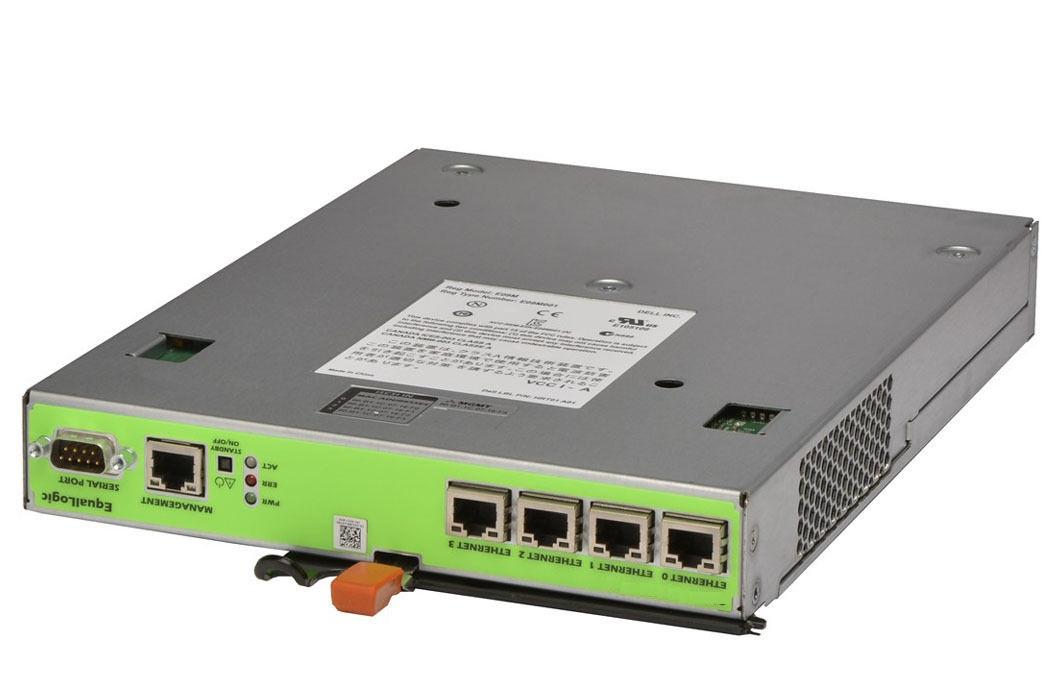
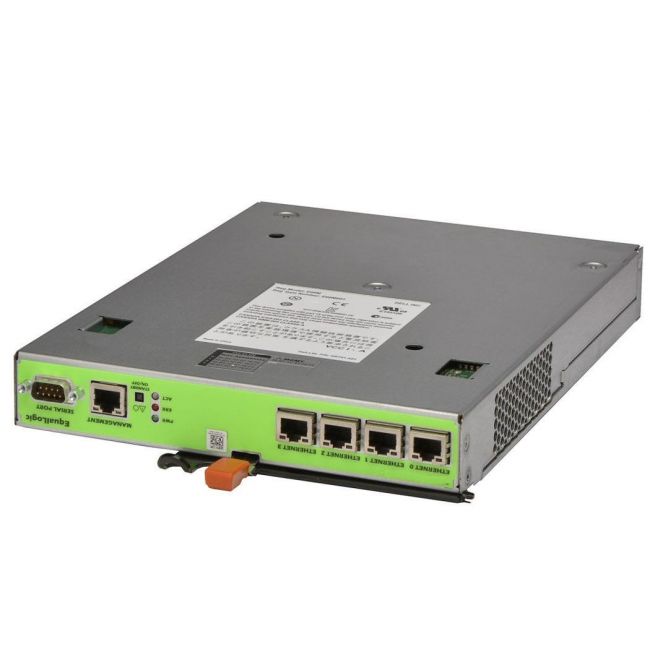
The Dell T6DD9 Equallogic Type 18 Controller Module for PS6210 serves as a critical component within the PS6210 storage system, responsible for processing data and managing storage tasks. It fits into environments where reliable storage performance and availability are key, supporting dual-controller setups to reduce the risk of service interruptions. |
General Information |
|
|---|---|
| Brand | Dell |
Physical Characteristics |
|
|---|---|
| Weight | 5.00 |
| Condition | Refurbished |
Miscellaneous |
|
|---|---|
| Eco Friendly | Yes |
| Compliance Standards | WEEE, RoHS, CE, FCC, UL, cULus |
Product Description |
|---|
This controller module is built for Dell EqualLogic PS6210 storage arrays, handling key data processing tasks to keep your storage reliable and efficient. It's often found in enterprise data centers where consistent uptime and data integrity are crucial. IT administrators and storage specialists benefit from its robust design focused on maintaining seamless storage operations. Key Features
This controller module is typically deployed in medium to large-scale storage environments, ensuring that critical data remains accessible and protected. Its role in managing data flow and providing redundancy helps minimize downtime during maintenance or unexpected failures. |
Use Cases |
|---|
The Dell T6DD9 Equallogic Type 18 Controller Module is primarily deployed within data center environments that require robust storage management and high-availability solutions. IT teams managing enterprise-grade virtualization platforms and storage clusters benefit from the module's ability to maintain consistent performance and system uptime. How It's Used:
This controller module aids operational resilience by providing redundancy and efficient data processing within the PS6210 series. Its role in dual-controller configurations supports scalability and reduces single points of failure, thereby aligning with business continuity objectives in complex IT infrastructures. |
 Shipping Options
 International Delivery
Requires a UPS, FedEx, or DHL account. Customers may arrange pickup from our US warehouse.
 Payment Methods
We accept Visa, Mastercard, AMEX, Discover, and Wire Transfer.
 Purchase Orders
We process purchase orders for government agencies, enterprises, data centers, and SMBs.