

Subscribe To Our Newsletter!
Subscribe to the newsletter to stay up to date with the latest news and most useful
Newsletter
↑
Back to Top



Product Overview |
|---|
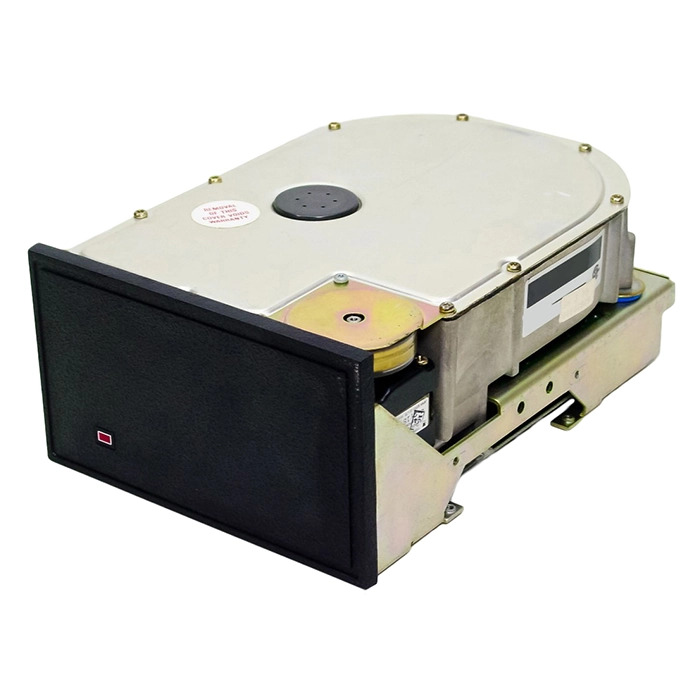
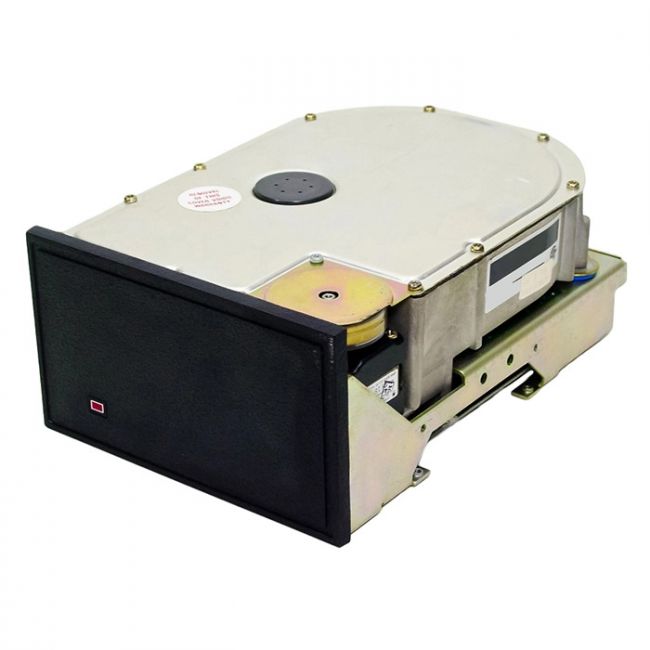
The STPA4E1B Seagate 1.6GB internal hard drive serves as a solid storage solution for vintage computer setups. It fits into a 5.25-inch drive bay and connects via a 50-pin SCSI interface, making it a straightforward choice for maintaining or restoring older systems that depend on this standard. |
General Information |
|
|---|---|
| Brand | Seagate |
| Part Number | STPA4E1B |
Technical Information |
|
|---|---|
| Capacity | 1.6GB |
| Form Factor | 5.25-inch |
| Hot Pluggable | No |
| Hot Swappable | No |
| Hybrid Drive | No |
Interfaces/Ports |
|
|---|---|
| Interface | SCSI-2 |
Physical Characteristics |
|
|---|---|
| Condition | Refurbished |
| Weight | 3.00 |
Product Description |
|---|
The STPA4E1B Seagate 1.6GB hard drive offers dependable storage with a classic SCSI interface. It’s commonly found in older workstations and servers that require stable performance and moderate storage capacity. This model is built for users who maintain legacy hardware or systems where compatibility with SCSI is essential. Key Features
This hard drive is typically deployed in environments where older hardware is still in operation, such as industrial machines or legacy IT infrastructure. It helps extend the functional life of systems that rely on SCSI storage without requiring a full hardware overhaul. |
Use Cases |
|---|
The STPA4E1B Seagate 1.6GB internal hard drive is primarily utilized in legacy computing environments where maintaining or restoring vintage hardware is critical. IT professionals managing archival systems or specialized industrial setups benefit from this drive's compatibility with 50-pin SCSI interfaces and 5.25-inch bays. How It's Used:
This drive supports operational continuity in environments where modernization is constrained by software or hardware dependencies. Its form factor and interface ensure seamless integration, aiding in system stability and data accessibility for critical legacy workloads. |
 Shipping Options
 International Delivery
Requires a UPS, FedEx, or DHL account. Customers may arrange pickup from our US warehouse.
International Delivery
Requires a UPS, FedEx, or DHL account. Customers may arrange pickup from our US warehouse.
 Payment Methods
We accept Visa, Mastercard, AMEX, Discover, and Wire Transfer.
Payment Methods
We accept Visa, Mastercard, AMEX, Discover, and Wire Transfer.
 Purchase Orders
We process purchase orders for government agencies, enterprises, data centers, and SMBs.
Purchase Orders
We process purchase orders for government agencies, enterprises, data centers, and SMBs.