

Subscribe To Our Newsletter!
Subscribe to the newsletter to stay up to date with the latest news and most useful
Newsletter
↑
Back to Top



Product Overview |
|---|
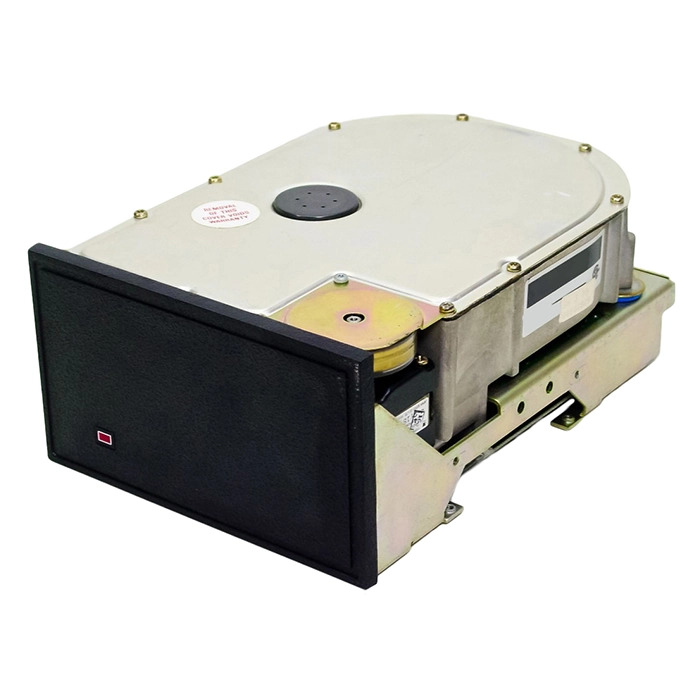
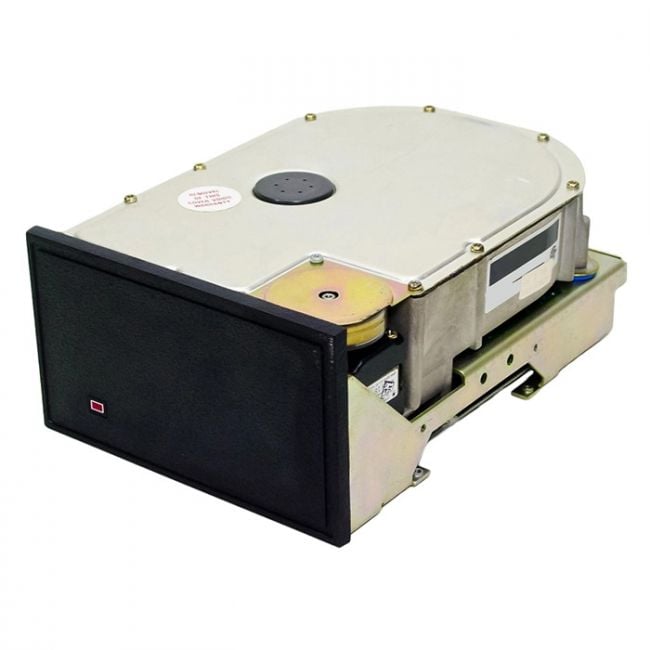
The Seagate ST250N is a 5.25-inch internal hard drive that delivers 43MB of storage using a SCSI interface. It fits into legacy systems where its form factor and connection type remain standard, providing basic yet dependable storage for older computer setups. |
General Information |
|
|---|---|
| Brand | Seagate |
| Part Number | ST250N |
Technical Information |
|
|---|---|
| Form Factor | 5.25-inch |
| Hot Pluggable | No |
| Hot Swappable | No |
| Hybrid Drive | No |
Interfaces/Ports |
|
|---|---|
| Interface | SCSI |
Physical Characteristics |
|
|---|---|
| Condition | Refurbished |
| Weight | 3.00 |
Product Description |
|---|
This Seagate ST250N hard drive provides 43MB of storage, suitable for older computers and specialized equipment. Often found in vintage computing setups, it uses the SCSI interface to communicate efficiently with compatible systems. Built for businesses and enthusiasts maintaining legacy environments, this drive supports internal data storage where modern drives aren’t an option. Its 5.25-inch size matches typical bays in older workstations and servers. Key Features
This hard drive is primarily deployed in vintage computers, industrial machines, or archival systems that still depend on older technology. It plays a key role for users who need to maintain or recover data from such environments without upgrading to modern storage. |
Use Cases |
|---|
The Seagate ST250N is primarily used in legacy computing environments where 5.25-inch SCSI drives remain compatible and integral. IT professionals maintaining or refurbishing older hardware platforms benefit from its reliable storage, especially in settings requiring sustained operation of vintage servers or specialized equipment. How It's Used:
This hard drive supports operational consistency in environments where newer storage technologies are incompatible. Its design aids in preserving system functionality and data integrity across legacy infrastructure, ensuring continuity without requiring extensive hardware upgrades. |
 Shipping Options
 International Delivery
Requires a UPS, FedEx, or DHL account. Customers may arrange pickup from our US warehouse.
 Payment Methods
We accept Visa, Mastercard, AMEX, Discover, and Wire Transfer.
 Purchase Orders
We process purchase orders for government agencies, enterprises, data centers, and SMBs.