

Subscribe To Our Newsletter!
Subscribe to the newsletter to stay up to date with the latest news and most useful
Newsletter
↑
Back to Top



Product Overview |
|---|
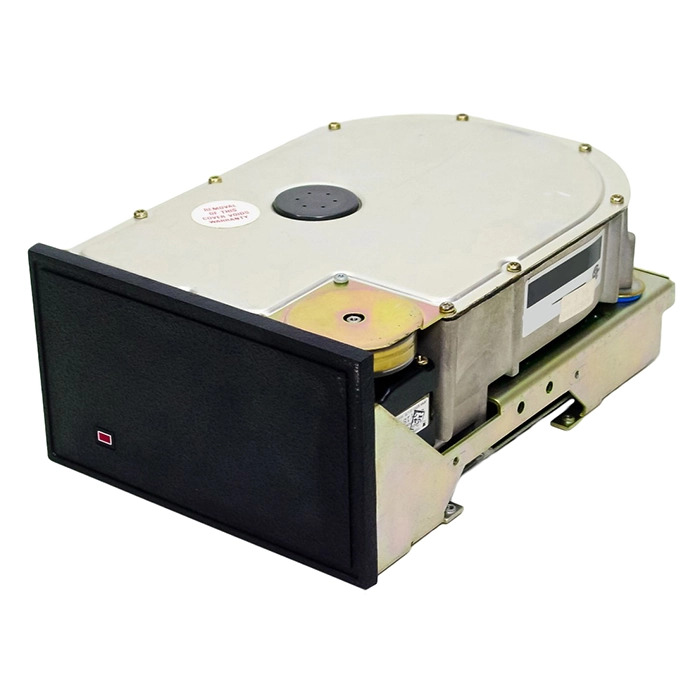
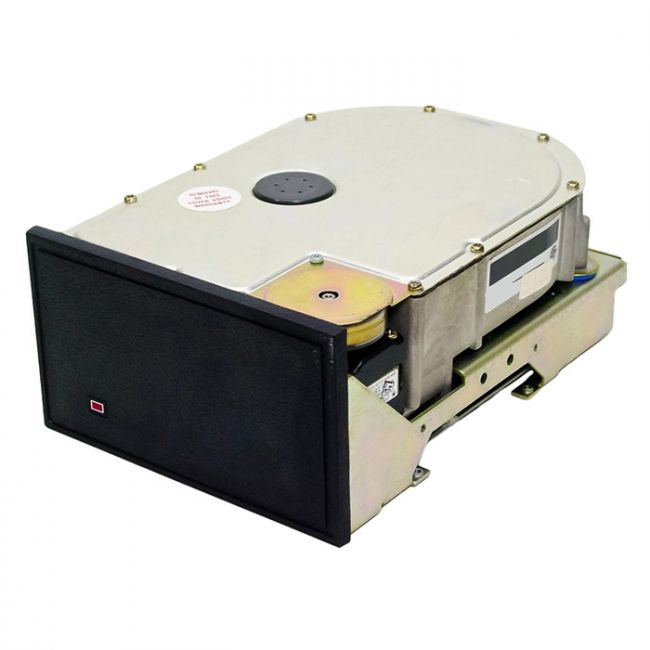
The ST225N Seagate hard drive offers 21MB of storage in a 5.25-inch form factor, spinning at 3600 RPM with a SCSI interface. It fits into older systems that require this specific type of drive, providing steady and compatible storage for legacy applications or equipment maintenance. |
General Information |
|
|---|---|
| Brand | Seagate |
| Part Number | ST225N |
Technical Information |
|
|---|---|
| Form Factor | 5.25-inch |
| Spindle Speed | 3600 RPM |
| Hot Pluggable | No |
| Hot Swappable | No |
| Hybrid Drive | No |
Interfaces/Ports |
|
|---|---|
| Interface | SCSI |
Physical Characteristics |
|
|---|---|
| Condition | Refurbished |
| Weight | 3.00 |
Product Description |
|---|
This Seagate ST225N is an internal hard drive designed for systems requiring a 5.25-inch SCSI drive with moderate storage needs. It’s often found in vintage or specialized equipment where compatibility with older hardware is essential. The 21MB capacity and 3600 RPM speed provide steady performance for tasks such as data logging, archival storage, or legacy application support. Built for IT professionals and users maintaining legacy infrastructure, this drive helps keep older systems operational without the need for major upgrades. Its SCSI interface was a standard for faster data communication in its time, supporting many industrial and business environments. Key Features
This drive is typically found in older workstations, servers, or specialized machinery that still rely on SCSI drives. It serves well where modern drives aren’t compatible or necessary. By using the ST225N, users can maintain system integrity and access historic data without reconfiguring their setup. |
Use Cases |
|---|
The ST225N Seagate 21MB 3600RPM SCSI hard drive is primarily utilized in legacy computing environments where compatibility with older hardware and software is critical. It serves organizations maintaining vintage server systems, industrial equipment, or specialized computing setups that rely on historical data storage standards. How It's Used:
This hard drive remains a practical component for sustaining operational continuity in environments dependent on legacy data storage solutions. Its compatibility facilitates maintenance and troubleshooting without necessitating full system modernization. |
 Shipping Options
 International Delivery
Requires a UPS, FedEx, or DHL account. Customers may arrange pickup from our US warehouse.
 Payment Methods
We accept Visa, Mastercard, AMEX, Discover, and Wire Transfer.
 Purchase Orders
We process purchase orders for government agencies, enterprises, data centers, and SMBs.