

Subscribe To Our Newsletter!
Subscribe to the newsletter to stay up to date with the latest news and most useful
Newsletter
↑
Back to Top



Product Overview |
|---|
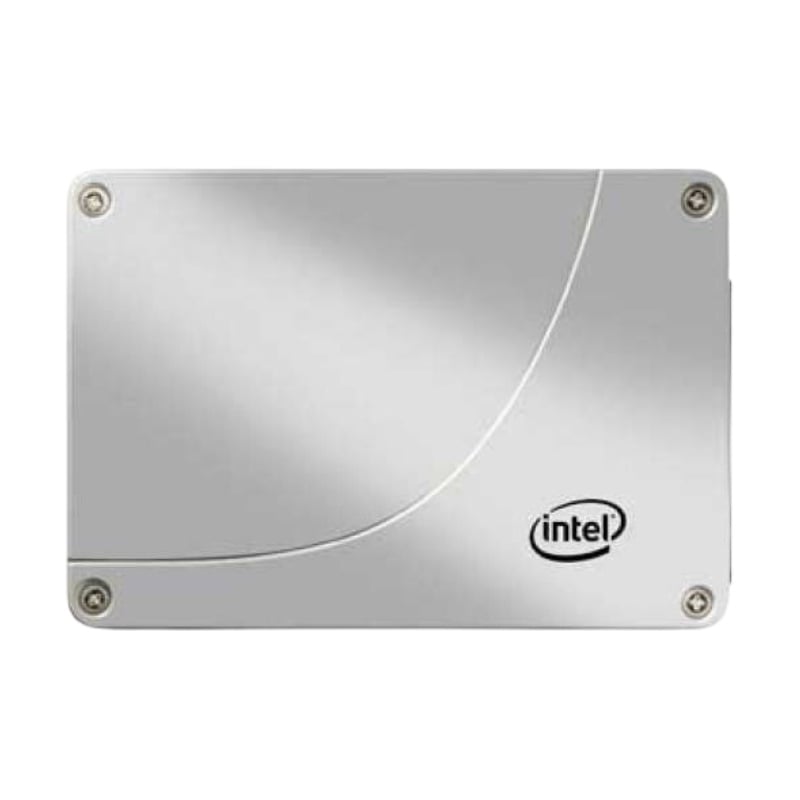
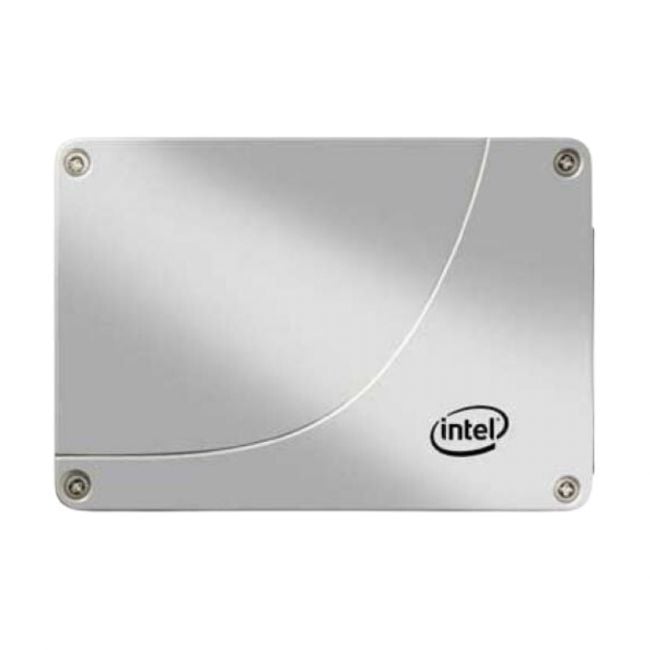
The Intel 670p Series 512GB SSDPEKNU512GZN1 is a solid state drive that delivers dependable storage and decent speeds using QLC NAND technology. It fits into the M.2 2280 slot found in many laptops and desktops, making it a practical option for users upgrading their systems. This drive balances performance and capacity, making it suitable for everyday computing tasks, gaming, and media playback without demanding the premium pricing of higher-end SSDs. |
General Information |
|
|---|---|
| Brand | Intel |
| Part Number | SSDPEKNU512GZN1 |
Technical Information |
|
|---|---|
| Capacity | 512GB |
| NAND Flash | 3D QLC |
| Memory Technology | Quad-Level Cell (QLC) |
| Form Factor | M.2 2280 |
| Interface | PCIe Gen 3.0 x4 |
| MTBF | 1.6 million hours |
| Hot Swappable | No |
| Hot Pluggable | No |
Performance |
|
|---|---|
| Max Sequential Read | Up to 3500 MB/s |
| Max Sequential Write | Up to 1800 MB/s |
| Random Read | Up to 300,000 IOPS (4KB, QD32) |
| Random Write | Up to 280,000 IOPS (4KB, QD32) |
| Endurance (TBW) | 200 TBW |
Physical Characteristics |
|
|---|---|
| Dimensions | 22 x 80 x 2.38 mm (M.2 2280) |
| Weight | 1.10 |
| Condition | Refurbished |
Miscellaneous |
|
|---|---|
| Compliance Standards | WEEE, RoHS, CE, FCC |
Product Description |
|---|
The Intel 670p Series 512GB SSD offers solid state storage designed to boost everyday computing tasks. Built for mainstream users, this drive improves system responsiveness by speeding up boot times, application loading, and file transfers. Often found in ultrabooks, compact desktops, and gaming rigs, it supports a balance of capacity and performance at an accessible price point. Users upgrading from traditional hard drives or older SSDs will benefit from its efficient QLC NAND memory that enables higher storage density. Key Features
This SSD is typically installed in consumer laptops and desktops where a balance of capacity and speed is needed without breaking the bank. It brings noticeable improvements in boot times and application responsiveness compared to traditional drives. Its presence is growing in budget gaming setups and home office machines, where users want reliable performance without opting for higher-cost TLC or MLC-based drives. |
Use Cases |
|---|
The Intel 670p Series 512GB SSDPEKNU512GZN1 is typically utilized in environments where moderate capacity and reliable storage performance are required without premium pricing. It is especially effective for IT professionals and system builders upgrading consumer-grade desktops or business laptops that benefit from enhanced read/write speeds and low latency NVMe storage. How It's Used:
This SSD facilitates operational efficiency by providing consistent NVMe performance in cost-sensitive deployments. It enables scalability in client systems by offering a straightforward storage upgrade path that balances capacity with adequate throughput for diverse workloads. |
 Shipping Options
 International Delivery
Requires a UPS, FedEx, or DHL account. Customers may arrange pickup from our US warehouse.
International Delivery
Requires a UPS, FedEx, or DHL account. Customers may arrange pickup from our US warehouse.
 Payment Methods
We accept Visa, Mastercard, AMEX, Discover, and Wire Transfer.
Payment Methods
We accept Visa, Mastercard, AMEX, Discover, and Wire Transfer.
 Purchase Orders
We process purchase orders for government agencies, enterprises, data centers, and SMBs.
Purchase Orders
We process purchase orders for government agencies, enterprises, data centers, and SMBs.