

Subscribe To Our Newsletter!
Subscribe to the newsletter to stay up to date with the latest news and most useful
Newsletter
↑
Back to Top



Product Overview |
|---|
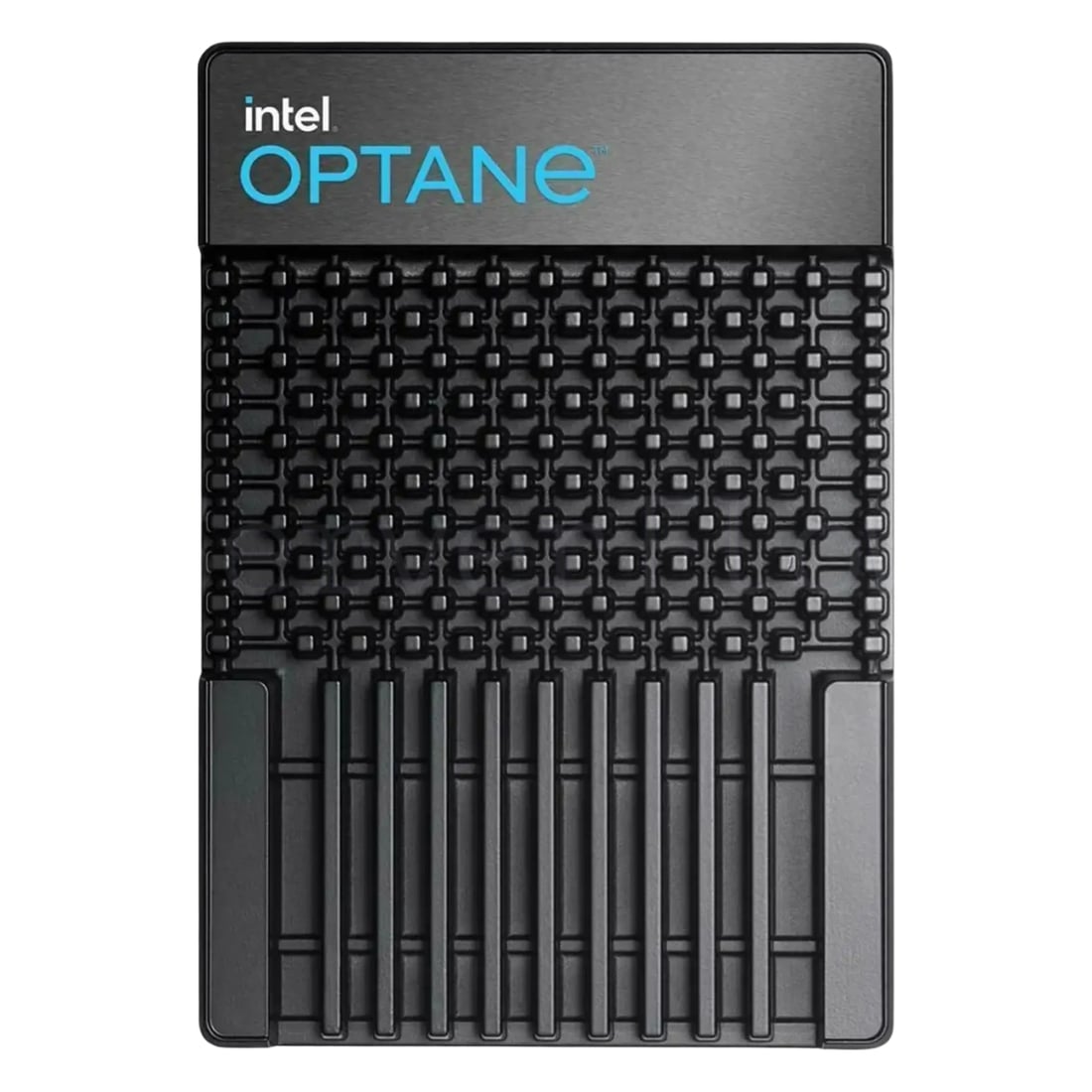
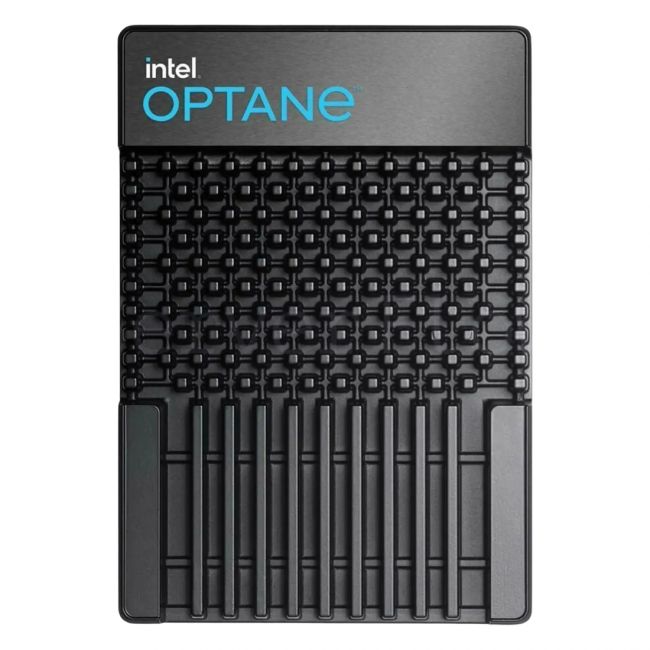
The Intel Optane P4800X solid state drive provides a unique blend of speed and endurance by utilizing 3D XPoint technology. It fits into enterprise storage systems that require fast, reliable performance and is especially suited to workloads where low latency is crucial. This drive bridges the gap between traditional SSDs and memory, offering a balance that benefits data-intensive applications and systems. |
General Information |
|
|---|---|
| Brand | Intel |
| Part Number | SSDPED1K015TA |
Technical Information |
|
|---|---|
| Capacity | 1.5TB |
| NAND Flash | 3D XPoint |
| Form Factor | PCIe Add-in Card |
| Interface | PCIe Gen 3.0 x4 |
| MTBF | 2,500,000 hours |
| Hot Swappable | No |
| Hot Pluggable | No |
Performance |
|
|---|---|
| Max Sequential Read | 2500 MB/s |
| Max Sequential Write | 2000 MB/s |
| Random Read | 550000 IOPS |
| Random Write | 500000 IOPS |
| Endurance (TBW) | 82,125 TBW (approx.; equivalent to ~30 DWPD over 5 years) |
Physical Characteristics |
|
|---|---|
| Weight | 3.00 |
| Condition | Refurbished |
Miscellaneous |
|
|---|---|
| Compliance Standards | WEEE, RoHS, CE, FCC, UL, TUV |
Product Description |
|---|
The Intel Optane P4800X is a high-performance solid state drive designed to deliver ultra-fast storage solutions. Built for demanding enterprise workloads, it leverages 3D XPoint memory to offer low latency and exceptional endurance compared to traditional NAND SSDs. Often found in data centers and servers, this drive is ideal for applications requiring rapid access to data, such as real-time analytics, high-frequency trading, and database acceleration. IT professionals and system architects rely on it to reduce bottlenecks and improve overall system responsiveness. Key Features
This drive is typically deployed in environments where quick data access and durability matter most, such as cloud infrastructure and high-performance computing. Its role in speeding up critical applications helps organizations maintain efficiency and reduce wait times during peak operation. |
 Shipping Options
 International Delivery
Requires a UPS, FedEx, or DHL account. Customers may arrange pickup from our US warehouse.
International Delivery
Requires a UPS, FedEx, or DHL account. Customers may arrange pickup from our US warehouse.
 Payment Methods
We accept Visa, Mastercard, AMEX, Discover, and Wire Transfer.
Payment Methods
We accept Visa, Mastercard, AMEX, Discover, and Wire Transfer.
 Purchase Orders
We process purchase orders for government agencies, enterprises, data centers, and SMBs.
Purchase Orders
We process purchase orders for government agencies, enterprises, data centers, and SMBs.