

Subscribe To Our Newsletter!
Subscribe to the newsletter to stay up to date with the latest news and most useful
Newsletter
↑
Back to Top



Product Overview |
|---|
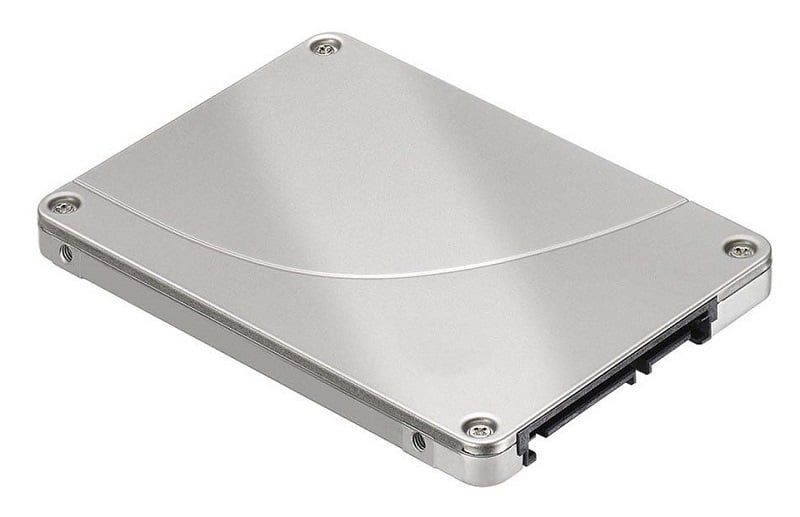
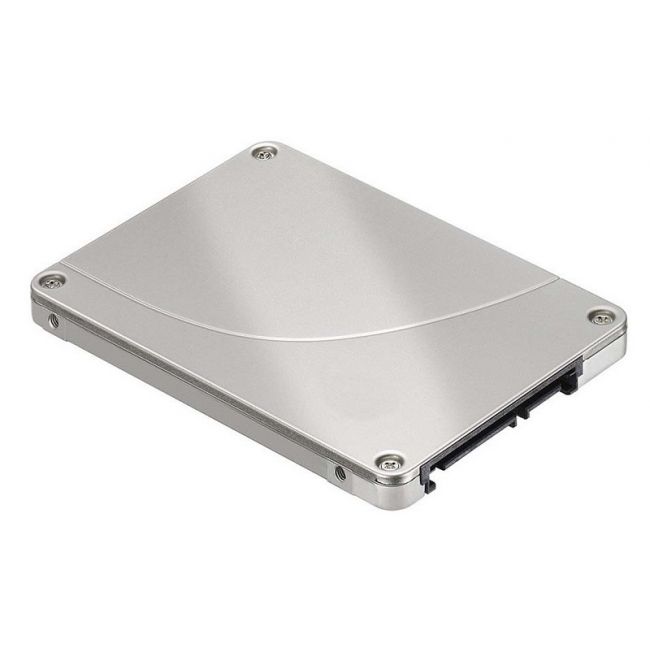
The QNAP 256GB SATA M.2 2280 SSD is a solid state drive designed to provide reliable storage with decent speed suitable for network storage devices and other SATA-enabled platforms. It fits the M.2 2280 slot commonly found in many NAS units and supports SATA 6Gb/s connections, making it a practical choice for users looking to boost performance without switching to NVMe technology. |
General Information |
|
|---|---|
| Brand | QNAP |
| Part Number | SSD-M2080-256GB-A01 |
Technical Information |
|
|---|---|
| Capacity | 256GB |
| Memory Technology | Triple-Level Cell (TLC) |
| Form Factor | M.2 2280 |
| Interface | SATA 6GB/s |
| Cache | DRAM cache (on-board) |
| MTBF | 2,000,000 hours |
| Hot Swappable | No |
| Hot Pluggable | No |
Performance |
|
|---|---|
| Max Sequential Read | 550 MB/s |
| Max Sequential Write | 520 MB/s |
| Random Read | 90,000 IOPS |
| Random Write | 80,000 IOPS |
| Endurance (TBW) | 150 TBW |
Physical Characteristics |
|
|---|---|
| Dimensions | 3.5 x 22 x 80 mm |
| Weight | 5.00 |
| Condition | Refurbished |
Miscellaneous |
|
|---|---|
| Eco Friendly | Yes |
| Compliance Standards | WEEE, RoHS, CE, FCC |
Product Description |
|---|
This QNAP 256GB SATA M.2 2280 SSD provides quick and dependable storage ideal for expanding NAS capabilities or enhancing system performance. It offers a balance of speed and capacity suited for users needing reliable solid state storage in a compact design. Often found in network-attached storage setups, this drive is built for those who require faster boot times, quicker file access, and efficient handling of data-intensive applications. It’s a practical choice for small businesses or home users upgrading their storage solutions. Key Features
This SSD is typically deployed in QNAP NAS environments or other systems supporting M.2 SATA drives. It offers real-world benefits by reducing loading times and improving responsiveness when accessing stored data. Users often rely on it to enhance overall system reliability and speed without needing high-end NVMe options. |
Use Cases |
|---|
The QNAP 256GB SATA M.2 2280 SSD is commonly utilized in small to medium business NAS deployments and edge computing devices where cost-effective, reliable storage is essential. It is ideal for environments requiring consistent read/write operations without the complexity or expense of NVMe solutions, supporting a variety of data-intensive tasks with solid endurance. How It's Used:
This SSD supports operational efficiency by delivering steady performance and durability suited for SATA-based NAS and storage clusters. Its compatibility with M.2 2280 form factor slots facilitates scalability in existing infrastructure without necessitating significant hardware upgrades. |
 Shipping Options
 International Delivery
Requires a UPS, FedEx, or DHL account. Customers may arrange pickup from our US warehouse.
International Delivery
Requires a UPS, FedEx, or DHL account. Customers may arrange pickup from our US warehouse.
 Payment Methods
We accept Visa, Mastercard, AMEX, Discover, and Wire Transfer.
Payment Methods
We accept Visa, Mastercard, AMEX, Discover, and Wire Transfer.
 Purchase Orders
We process purchase orders for government agencies, enterprises, data centers, and SMBs.
Purchase Orders
We process purchase orders for government agencies, enterprises, data centers, and SMBs.