

Subscribe To Our Newsletter!
Subscribe to the newsletter to stay up to date with the latest news and most useful
Newsletter
↑
Back to Top



Product Overview |
|---|
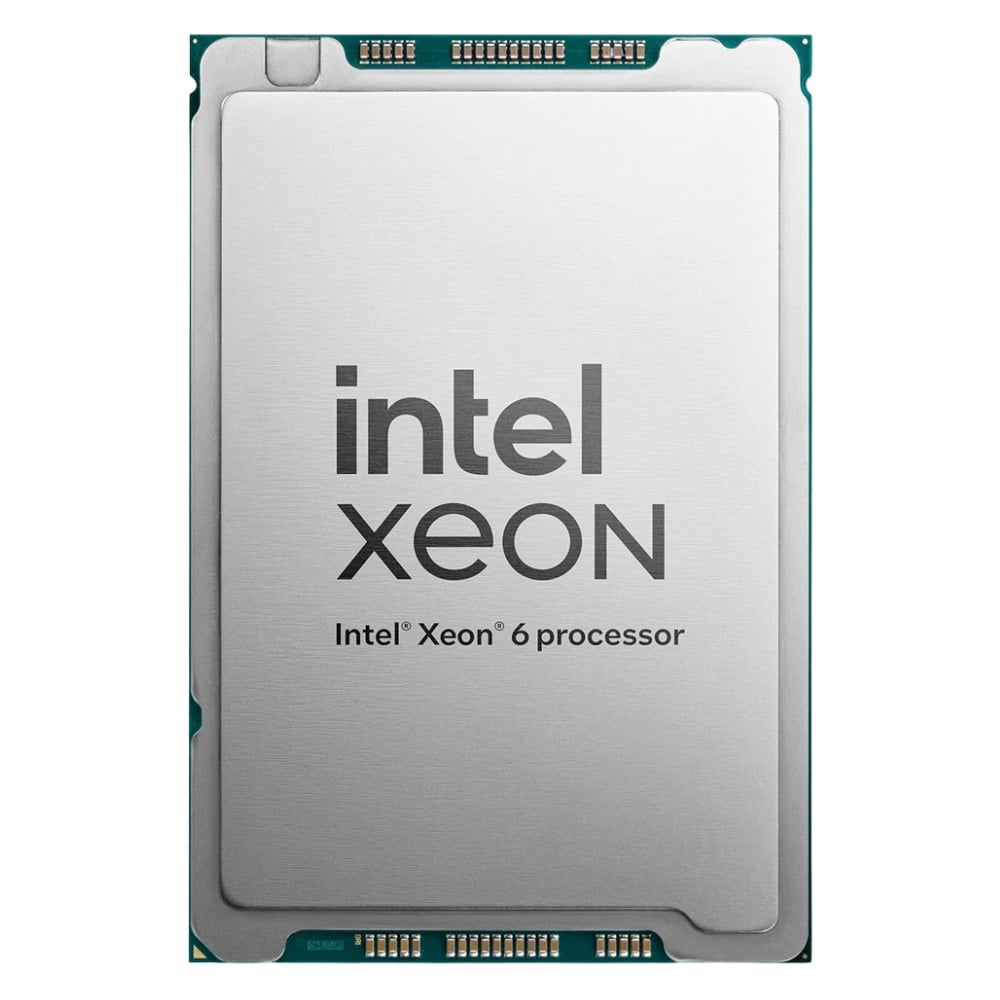
The SRV5H Intel Xeon 6740P processor features 48 cores running at a base frequency of 2.10GHz, supporting hyper-threading for 96 simultaneous threads, integrated large cache memory, and hardware-based security technologies designed to enhance server performance and reliability in enterprise environments. |
General Information |
|
|---|---|
| Brand | Intel |
| Part Number | SRV5H |
Technical Information |
|
|---|---|
| Processor Family | Other |
| Base Clock Speed | 2.10 GHz |
Physical Characteristics |
|
|---|---|
| Weight | 3.00 |
| Condition | Refurbished |
Product Description |
|---|
The SRV5H Intel Xeon 6740P 2.10GHz 48-Core Processor is a high-performance CPU designed specifically for demanding server environments. With 48 cores, it enables parallel processing of complex workloads, making it well-suited for data centers, cloud computing, and enterprise-grade applications. This processor is commonly deployed in servers that require robust multi-threaded performance and reliability. IT administrators and businesses that manage large-scale databases, virtualization platforms, or high-throughput computing systems benefit from the SRV5H's capabilities. Key Features
The SRV5H Intel Xeon 6740P processor provides a reliable and scalable solution for server workloads requiring significant compute power. Its architecture is designed to handle the intense processing demands of modern applications while maintaining energy efficiency. With its integration into server platforms, this processor helps organizations achieve improved performance and operational efficiency in their IT infrastructure. |
Use Cases |
|---|
The SRV5H Intel Xeon 6740P processor is engineered to meet the needs of high-demand computing environments. How It's Used:
This processor enables organizations to efficiently manage and accelerate critical applications, ensuring scalability and performance in modern data-driven operations. |
 Shipping Options
 International Delivery
Requires a UPS, FedEx, or DHL account. Customers may arrange pickup from our US warehouse.
International Delivery
Requires a UPS, FedEx, or DHL account. Customers may arrange pickup from our US warehouse.
 Payment Methods
We accept Visa, Mastercard, AMEX, Discover, and Wire Transfer.
Payment Methods
We accept Visa, Mastercard, AMEX, Discover, and Wire Transfer.
 Purchase Orders
We process purchase orders for government agencies, enterprises, data centers, and SMBs.
Purchase Orders
We process purchase orders for government agencies, enterprises, data centers, and SMBs.