

Subscribe To Our Newsletter!
Subscribe to the newsletter to stay up to date with the latest news and most useful
Newsletter
↑
Back to Top



| Product Overview |
|---|
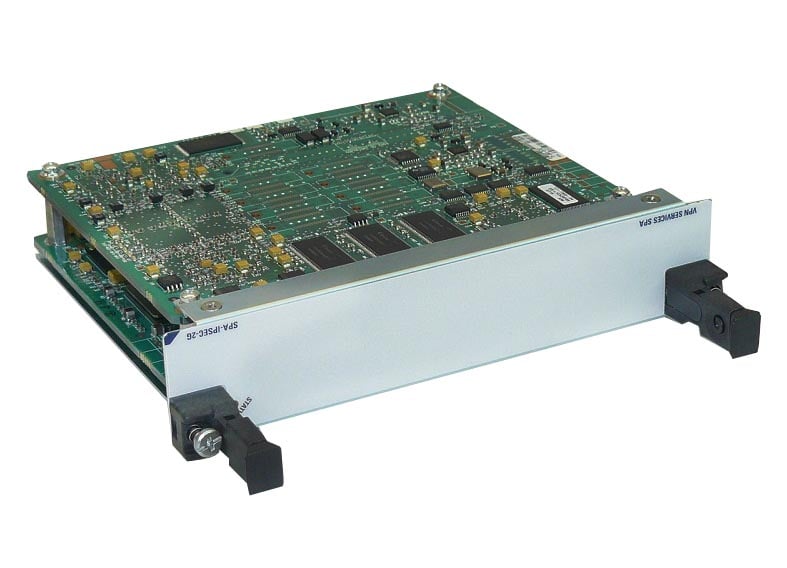
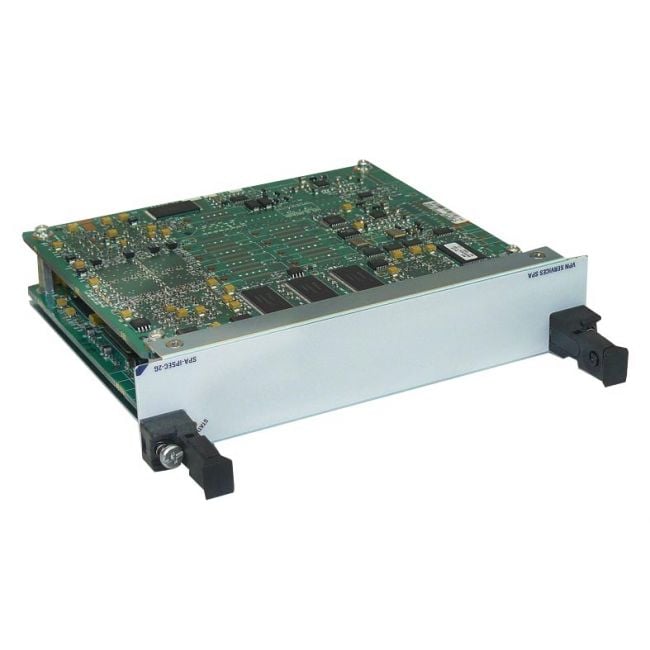
The Cisco Shared Port Adapter (SPA-WMA-K9) acts as a bridge to expand network ports on compatible routers by enabling multiple modules to share a single slot. It fits into Cisco ISR G2 routers and helps organizations manage network resources more efficiently without adding extra hardware bays. |
| General Information | |
|---|---|
| Brand | Cisco |
| Part Number | SPA-WMA-K9 |
| Connectivity & Physical | |
|---|---|
| Weight | 5.00 |
| Condition | Refurbished |
| Product Description |
|---|
The Cisco Shared Port Adapter (SPA-WMA-K9) is built for expanding network connectivity in Cisco Integrated Services Routers. It allows users to share a single physical slot among various network modules, effectively increasing port density without adding hardware slots. Often found in enterprise branch offices and service provider networks, this adapter helps network administrators manage bandwidth and routing options more efficiently. It is particularly helpful for IT teams requiring modular and scalable network setups. Key Features
This adapter is mostly deployed in enterprise and service provider environments where space and modularity are priorities. It plays a practical role in optimizing router hardware while adapting to evolving network demands. |
| Use Cases |
|---|
The SPA-WMA-K9 Shared Port Adapter is primarily deployed in medium to large enterprise networks where Cisco ISR G2 routers are used. It is especially beneficial in environments requiring modular and scalable network architectures, such as branch offices, distributed enterprises, and managed service provider networks, where physical space and hardware slots are at a premium. How It's Used:
By providing shared port capabilities, the SPA-WMA-K9 enhances operational efficiency and scalability in Cisco ISR G2 deployments, enabling IT organizations to adapt network configurations dynamically while preserving physical space and minimizing hardware investments. |
 Shipping Options
 International Delivery
Requires a UPS, FedEx, or DHL account. Customers may arrange pickup from our US warehouse.
International Delivery
Requires a UPS, FedEx, or DHL account. Customers may arrange pickup from our US warehouse.
 Payment Methods
We accept Visa, Mastercard, AMEX, Discover, and Wire Transfer.
Payment Methods
We accept Visa, Mastercard, AMEX, Discover, and Wire Transfer.
 Purchase Orders
We process purchase orders for government agencies, enterprises, data centers, and SMBs.
Purchase Orders
We process purchase orders for government agencies, enterprises, data centers, and SMBs.