

Subscribe To Our Newsletter!
Subscribe to the newsletter to stay up to date with the latest news and most useful
Newsletter
↑
Back to Top



Product Overview |
|---|
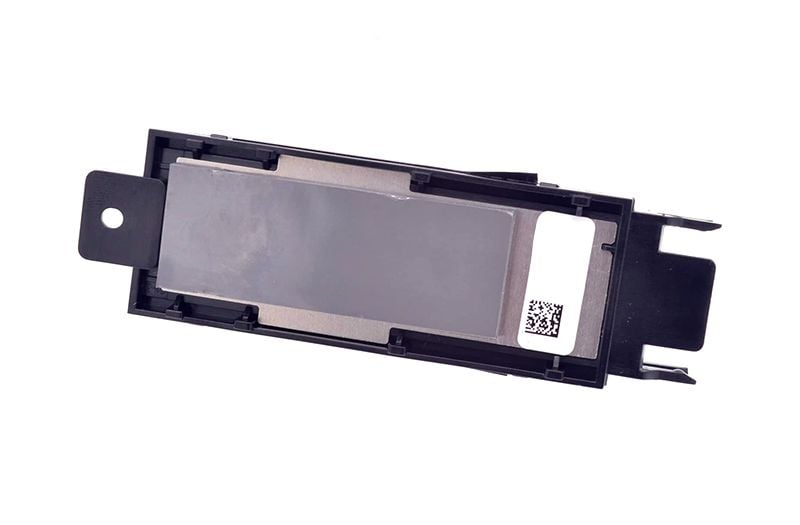
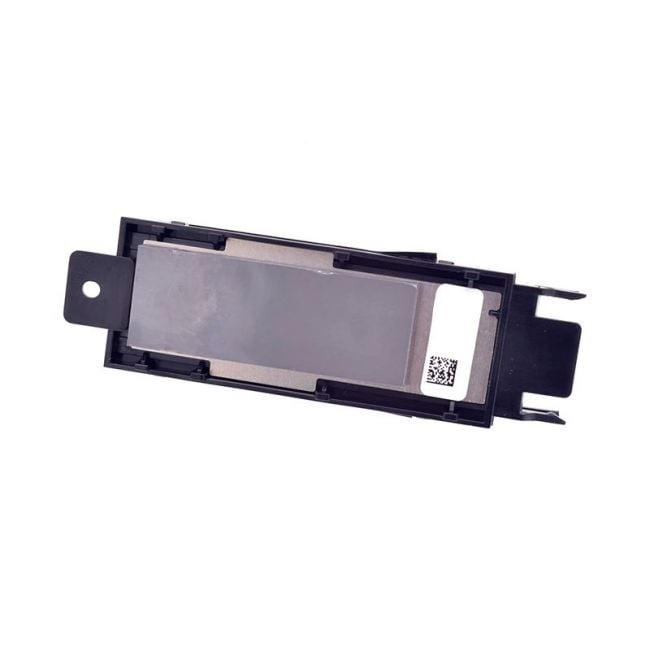
The Fortinet 750GB NVMe 2.5-Inch Solid State Drive with SSD Tray is a specialized storage component designed for the FAZ-BD-4500F Blade 1. It provides fast, reliable storage tailored to the needs of Fortinet firewall blades, fitting directly into the blade hardware to support consistent security appliance performance. |
General Information |
|
|---|---|
| Brand | Fortinet |
| Part Number | SP-BD4500F-SSD-B1 |
Technical Information |
|
|---|---|
| Capacity | 750GB |
| Form Factor | 2.5-inch |
| Interface | PCIe Gen 3.0 x4 |
| Hot Swappable | Yes |
| Hot Pluggable | Yes |
Physical Characteristics |
|
|---|---|
| Weight | 5.00 |
| Condition | Refurbished |
Product Description |
|---|
This 750GB NVMe solid state drive is built for use with the Fortinet FAZ-BD-4500F Blade 1, providing reliable, high-speed storage tailored to firewall and security appliances. Often found in data centers and enterprise networks, it enhances the performance of Fortinet devices by speeding up data retrieval and storage tasks. Key Features
This SSD is typically deployed within Fortinet blade chassis in corporate and service provider environments where fast and stable firewall performance is critical. Its reliable storage helps maintain smooth security processing without bottlenecks or slowdowns. |
Use Cases |
|---|
The Fortinet 750GB NVMe 2.5-Inch SSD is engineered for deployment within Fortinet FAZ-BD-4500F Blade 1 firewall appliances, commonly found in network security infrastructures. It is ideal for organizations requiring high-speed, reliable storage to maintain consistent firewall performance in demanding network traffic environments. How It's Used:
This SSD enhances operational efficiency by delivering low latency storage tailored for Fortinet blade appliances, supporting scalable security workloads while maintaining device reliability. Its integration ensures that firewall blades perform optimally in both centralized and distributed network architectures. |
 Shipping Options
 International Delivery
Requires a UPS, FedEx, or DHL account. Customers may arrange pickup from our US warehouse.
 Payment Methods
We accept Visa, Mastercard, AMEX, Discover, and Wire Transfer.
 Purchase Orders
We process purchase orders for government agencies, enterprises, data centers, and SMBs.