

Subscribe To Our Newsletter!
Subscribe to the newsletter to stay up to date with the latest news and most useful
Newsletter
↑
Back to Top



Product Overview |
|---|
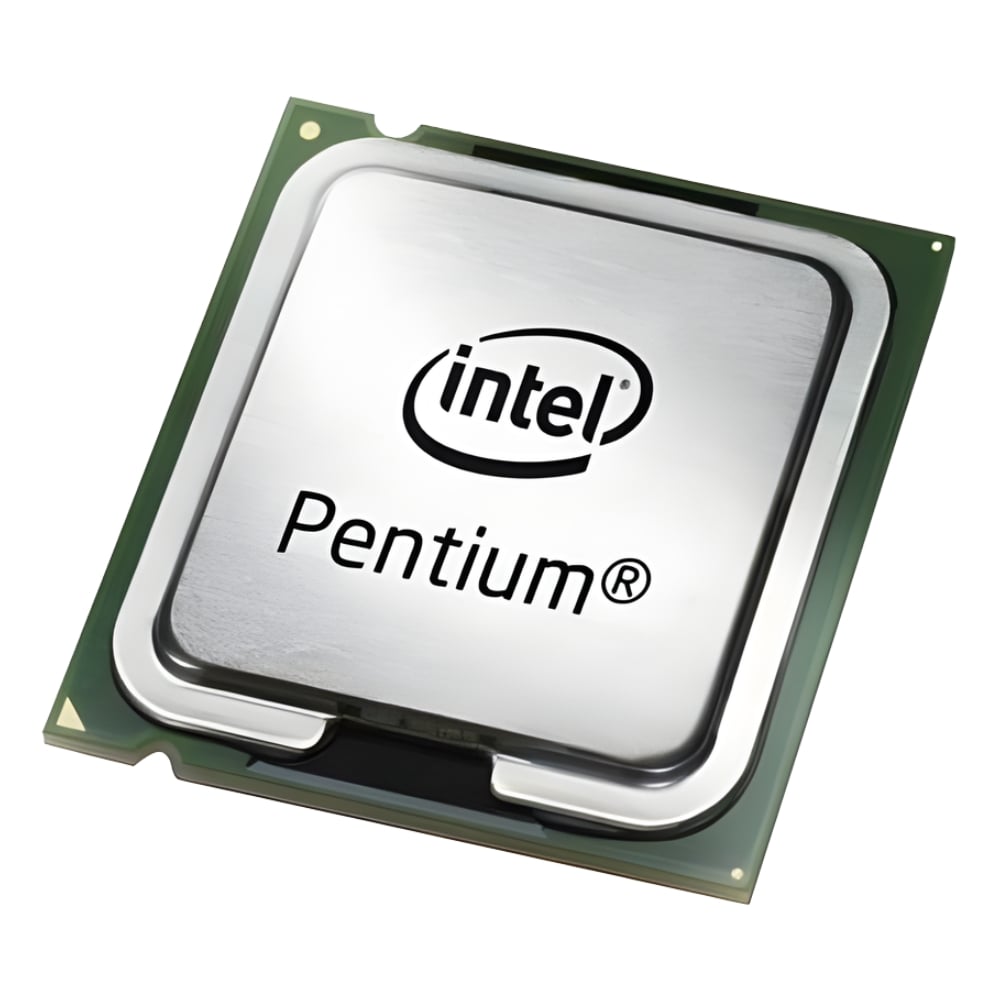
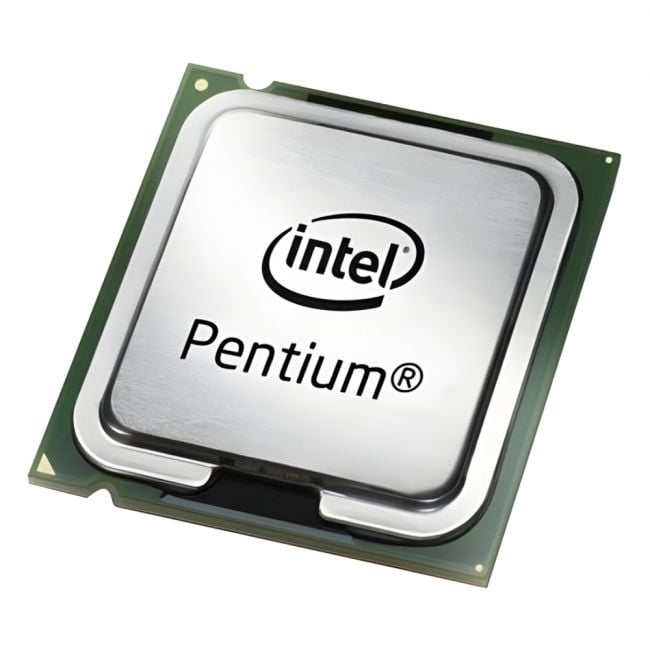
The SL7Z9 Intel Pentium 4 3.00GHz processor is a straightforward CPU designed to fit into Socket 478 desktops. It provides reliable performance for everyday computing needs, especially in legacy systems from the early 2000s. This processor fits well in setups that prioritize basic tasks over modern multitasking or heavy workloads. |
General Information |
|
|---|---|
| Brand | Intel |
| Part Number | SL7Z9 |
| Alternate Part Number | SL7Z9-15-CT |
Technical Information |
|
|---|---|
| Processor Family | Intel Pentium |
| Total Threads | 2 |
| Base Clock Speed | 3.00 GHz |
| Lithography | Other |
| Socket Type | LGA 775 |
| Cache | 1 MB L2 |
| Thermal Design Power | 89 W |
Physical Characteristics |
|
|---|---|
| Weight | 3.00 |
| Condition | Refurbished |
Product Description |
|---|
The SL7Z9 Intel Pentium 4 3.00GHz processor handles everyday computing tasks with ease, offering reliable performance for legacy systems. Often found in desktops designed around the early 2000s, this CPU is built for users who need basic processing power for office work, web browsing, and light media playback. Commonly used in budget or entry-level PCs of its time, it benefits small businesses and home users who require straightforward, dependable functionality without advanced features. The processor’s Hyper-Threading technology helps improve multitasking, making it suitable for running multiple simple applications simultaneously. Key Features
This processor is typically seen in older desktop setups still in use for basic tasks or as part of retro computing projects. It plays a role where modern high-speed processors aren’t necessary but steady, tried-and-true performance is valued. |
Use Cases |
|---|
The SL7Z9 Intel Pentium 4 3.00GHz processor is typically deployed in legacy desktop systems that require stable and consistent single-threaded performance. It is suited for environments where basic computing tasks and legacy application support are prioritized over modern multi-core processing. IT departments managing older infrastructure or refurbishing desktops find this processor beneficial for extending equipment lifecycle without extensive hardware upgrades. How It's Used:
This processor delivers sufficient operational efficiency for legacy workloads by optimizing performance within its architectural constraints. It facilitates cost-effective management of legacy systems, ensuring continued usability without demanding high power or complex cooling solutions, which aligns with organizational strategies focused on resource optimization in older infrastructure. |
 Shipping Options
 International Delivery
Requires a UPS, FedEx, or DHL account. Customers may arrange pickup from our US warehouse.
International Delivery
Requires a UPS, FedEx, or DHL account. Customers may arrange pickup from our US warehouse.
 Payment Methods
We accept Visa, Mastercard, AMEX, Discover, and Wire Transfer.
Payment Methods
We accept Visa, Mastercard, AMEX, Discover, and Wire Transfer.
 Purchase Orders
We process purchase orders for government agencies, enterprises, data centers, and SMBs.
Purchase Orders
We process purchase orders for government agencies, enterprises, data centers, and SMBs.