

Subscribe To Our Newsletter!
Subscribe to the newsletter to stay up to date with the latest news and most useful
Newsletter
↑
Back to Top



Product Overview |
|---|
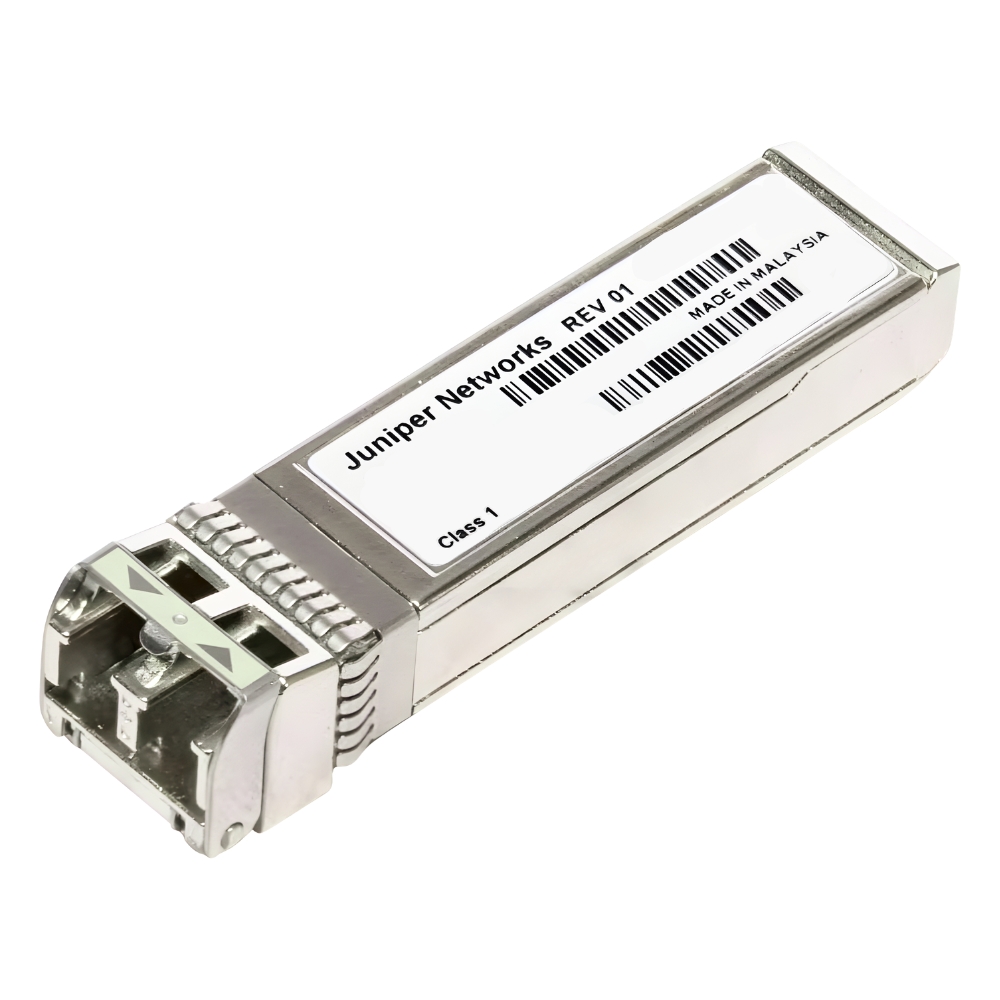
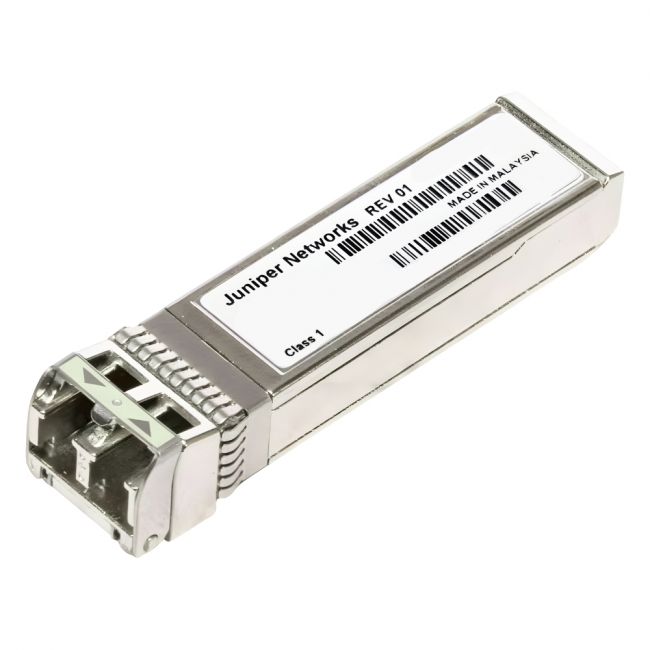
The SFPP-10G-DT-ZRC2 Juniper transceiver module provides 10 Gigabit per second data transfer aligned with 10GBase-ZR standards. It's designed to support long-distance optical links, fitting well within backbone networks and complex data center architectures where extended reach and high-speed connectivity are essential. |
General Information |
|
|---|---|
| Brand | Juniper Networks |
Technical Information |
|
|---|---|
| Form Factor | SFP+ |
| Media | SMF |
| Type | DFB |
| Power Consumption | 1.5W |
| Protocols | 10GBase-ZR, 10 Gigabit Ethernet, SFP+ |
| Connector | LC Duplex |
| DOM Support | Yes |
Physical Characteristics |
|
|---|---|
| Weight | 3.00 |
| Condition | Refurbished |
Product Description |
|---|
The SFPP-10G-DT-ZRC2 is a single transceiver module engineered to deliver 10 Gigabit Ethernet connectivity over long distances. Built for optical communication networks, it adheres to the 10GBase-ZR specification, enabling high-speed data transfer up to 80 kilometers using single-mode fiber. Often found in data center interconnects and carrier-grade networks, this transceiver is suited for networking professionals and IT teams managing large-scale infrastructure requiring reliable long-haul links. It integrates seamlessly with Juniper equipment, facilitating stable and high-performance network operations. Key Features
This transceiver plays a crucial role in maintaining efficient data flow across wide network spans. Its dependable performance and compatibility with various network setups make it a practical choice for sustaining connectivity in demanding environments. |
Use Cases |
|---|
The SFPP-10G-DT-ZRC2 is typically deployed in carrier networks, large data centers, and enterprise environments where reliable, long-distance 10Gb/s connections are necessary. It benefits network engineers and IT professionals responsible for backbone infrastructure and metropolitan area networks. How It's Used:
Its role is to sustain efficient, high-bandwidth transmission across extended distances without compromising signal integrity. This capability helps maintain operational stability and scalability in complex, distributed network architectures. |
 Shipping Options
 International Delivery
Requires a UPS, FedEx, or DHL account. Customers may arrange pickup from our US warehouse.
International Delivery
Requires a UPS, FedEx, or DHL account. Customers may arrange pickup from our US warehouse.
 Payment Methods
We accept Visa, Mastercard, AMEX, Discover, and Wire Transfer.
Payment Methods
We accept Visa, Mastercard, AMEX, Discover, and Wire Transfer.
 Purchase Orders
We process purchase orders for government agencies, enterprises, data centers, and SMBs.
Purchase Orders
We process purchase orders for government agencies, enterprises, data centers, and SMBs.