

Subscribe To Our Newsletter!
Subscribe to the newsletter to stay up to date with the latest news and most useful
Newsletter
↑
Back to Top



Product Overview |
|---|
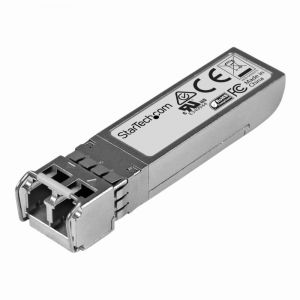
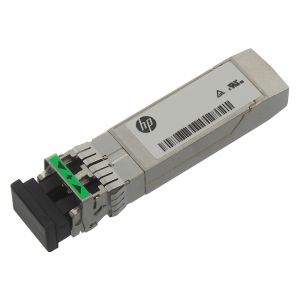
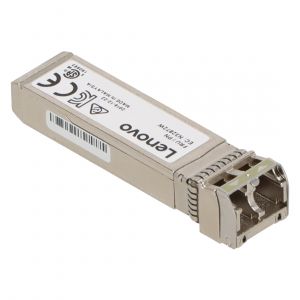
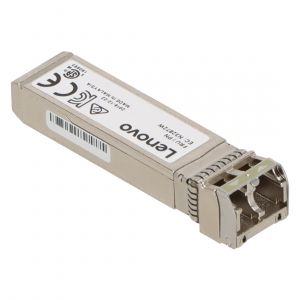
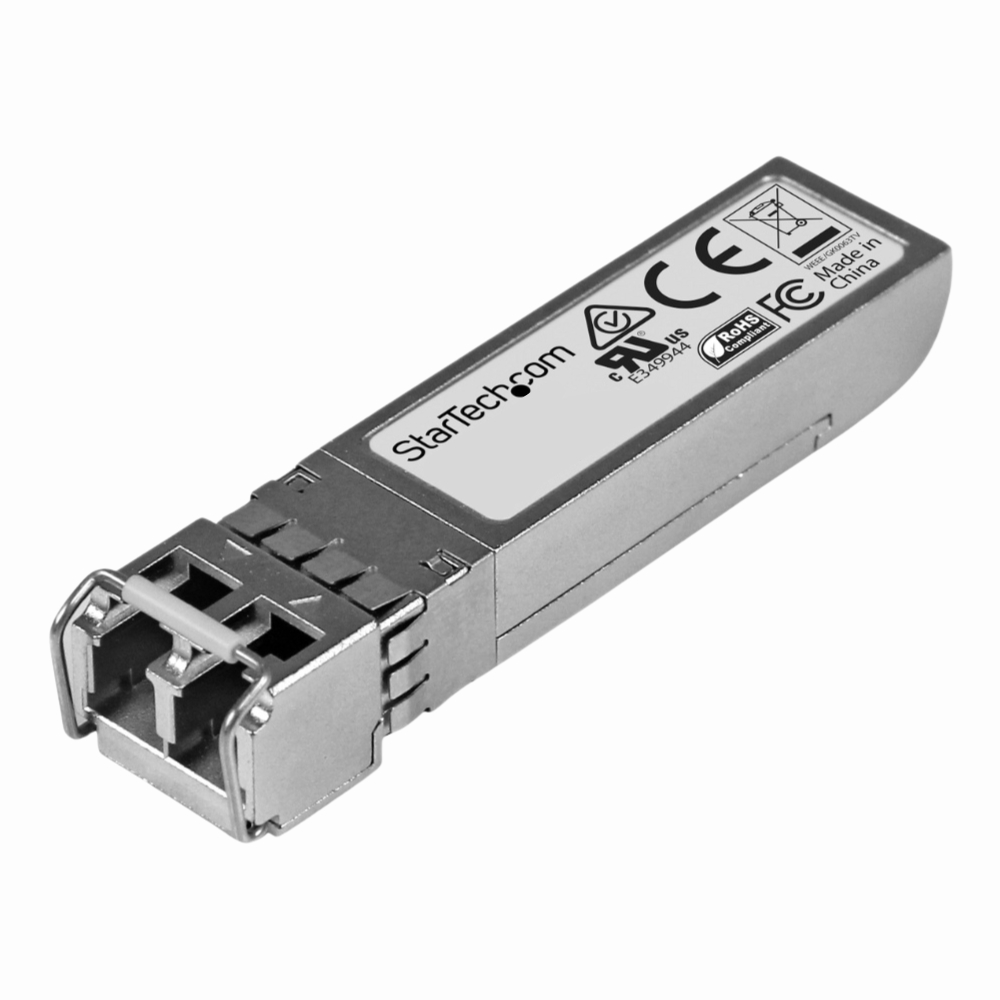
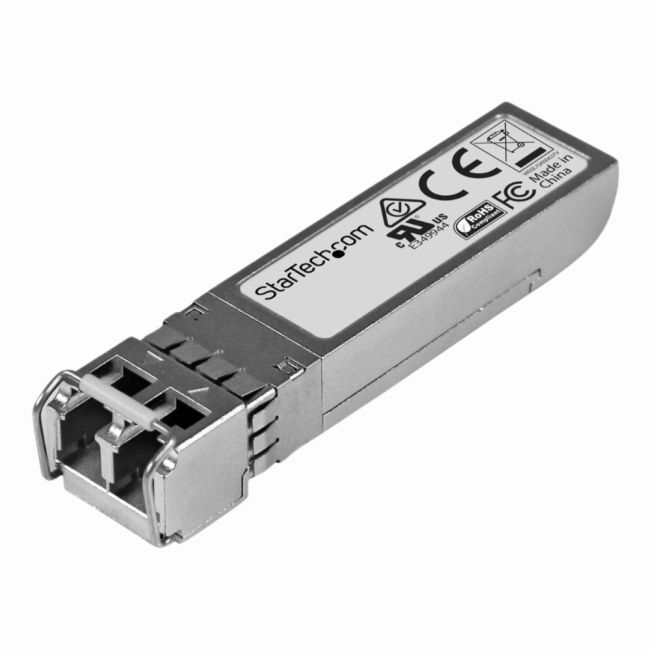
The StarTech SFP-25G-SR-S is a 25Gbps SFP28 transceiver module designed for multimode fiber networks. It supports the 25GBASE-SR standard and features an LC connector, making it suitable for short-range optical data transmission in various networking scenarios. |
General Information |
|
|---|---|
| Brand | StarTech |
Technical Information |
|
|---|---|
| Form Factor | SFP28 |
| Media | MMF |
| Type | VCSEL |
| Power Consumption | 1.0 W |
| Protocols | 25GBASE-SR,25GbE |
| Connector | LC Duplex |
| DOM Support | Yes |
Physical Characteristics |
|
|---|---|
| Weight | 3.00 |
| Condition | Refurbished |
Product Description |
|---|
The StarTech SFP-25G-SR-S is a SFP28 transceiver module that enables 25Gbps data transmission over multimode fiber networks. It is designed specifically to support the 25GBASE-SR standard, providing short-range optical connectivity suitable for data centers and high-speed networking environments. This module features an LC connector interface and complies with MSA standards, ensuring compatibility with a variety of network equipment supporting 25Gbps fiber optics. Key Features
This transceiver module enables optical data transmission in environments where high bandwidth over short distances is necessary. It is primarily utilized in network switches, servers, and storage systems that require robust fiber optic connections operating at 25Gbps speeds. |
Use Cases |
|---|
This StarTech SFP-25G-SR-S transceiver is typically used in data center environments and enterprise networks where 25Gbps short-range fiber optic connections are needed. It supports multimode fiber infrastructure and is compatible with hardware adhering to the MSA SFP28 specifications. How It's Used:
The module serves to provide reliable 25Gbps optical connectivity over multimode fiber for short distances, supporting network scenarios where increased bandwidth and low latency are essential. Its compatibility and form factor facilitate flexible deployment in standard fiber optic equipment. |
FAQ's |
|---|
|
 Shipping Options
 International Delivery
Requires a UPS, FedEx, or DHL account. Customers may arrange pickup from our US warehouse.
 Payment Methods
We accept Visa, Mastercard, AMEX, Discover, and Wire Transfer.
 Purchase Orders
We process purchase orders for government agencies, enterprises, data centers, and SMBs.