

Subscribe To Our Newsletter!
Subscribe to the newsletter to stay up to date with the latest news and most useful
Newsletter
↑
Back to Top



Product Overview |
|---|
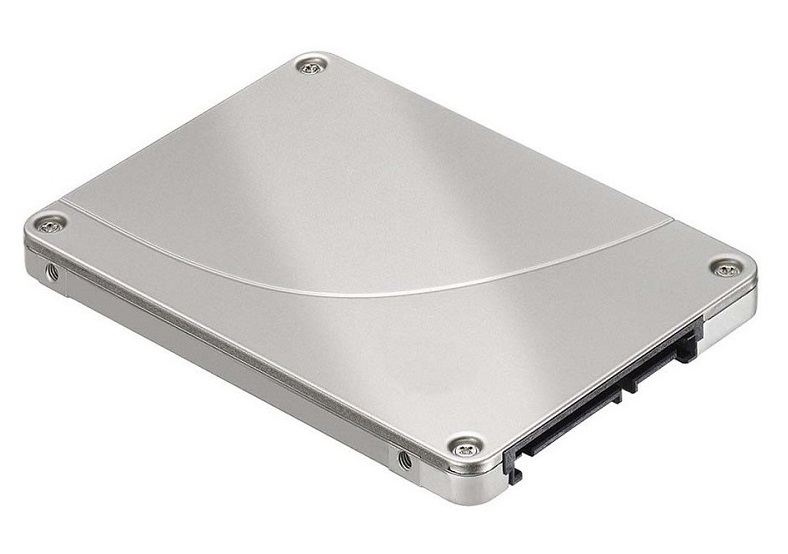
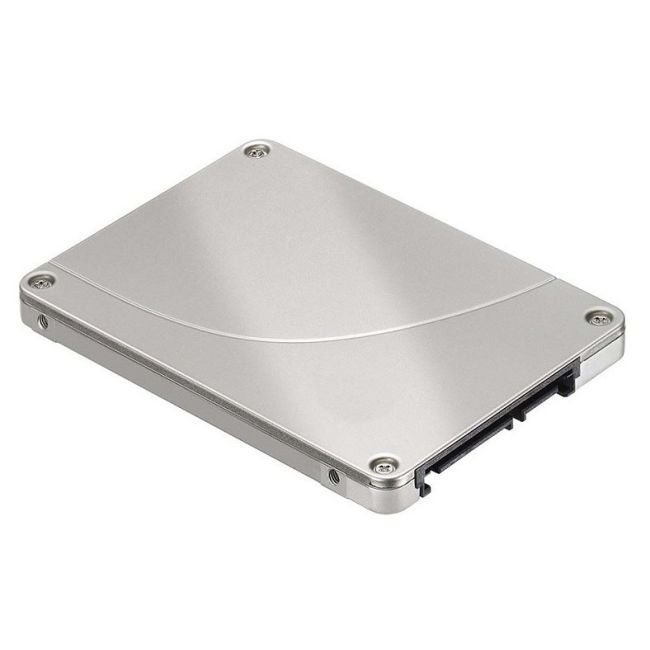
The ZA500CM1A002 Seagate Barracuda 500GB SSD delivers reliable and efficient storage with a fast SATA 6Gbps interface and a versatile 2.5-inch form factor. Designed to upgrade everyday computing devices, it provides quicker system responsiveness and enhanced durability, making it an excellent choice for users looking to improve performance in laptops and desktops without compromising energy efficiency. |
General Information |
|
|---|---|
| Brand | Seagate |
| Part Number | ZA500CM1A002 |
Physical Characteristics |
|
|---|---|
| Weight | 3.00 |
| Condition | Refurbished |
Product Description |
|---|
The Seagate Barracuda 500GB SSD offers an efficient and dependable storage solution designed for everyday computing needs, enhancing system responsiveness and boot times. It is well-suited for users seeking to upgrade their laptops or desktops with a solid-state drive that balances performance and capacity. Key Features
This drive is ideal for general users who require a boost in everyday computing performance, including faster boot times and application loading. Its compact design and energy efficiency make it suitable for laptops, desktops, and small form factor PCs. |
Use Cases |
|---|
The ZA500CM1A002 Seagate 500GB SATA SSD is typically deployed in environments requiring reliable and efficient storage upgrades, particularly benefiting IT professionals managing laptop fleets and desktop systems in mid-sized businesses. Its balance of speed and power efficiency makes it suitable for workflows demanding improved system responsiveness without extensive infrastructure changes. How It's Used:
This SSD supports operational efficiency by reducing latency in everyday computing tasks and minimizing energy demands, facilitating scalable upgrades in diverse IT environments. Its compatibility with common hardware platforms ensures straightforward integration without complicating storage infrastructure management. |
 Shipping Options
 International Delivery
Requires a UPS, FedEx, or DHL account. Customers may arrange pickup from our US warehouse.
International Delivery
Requires a UPS, FedEx, or DHL account. Customers may arrange pickup from our US warehouse.
 Payment Methods
We accept Visa, Mastercard, AMEX, Discover, and Wire Transfer.
Payment Methods
We accept Visa, Mastercard, AMEX, Discover, and Wire Transfer.
 Purchase Orders
We process purchase orders for government agencies, enterprises, data centers, and SMBs.
Purchase Orders
We process purchase orders for government agencies, enterprises, data centers, and SMBs.