

Subscribe To Our Newsletter!
Subscribe to the newsletter to stay up to date with the latest news and most useful
Newsletter
↑
Back to Top



Product Overview |
|---|
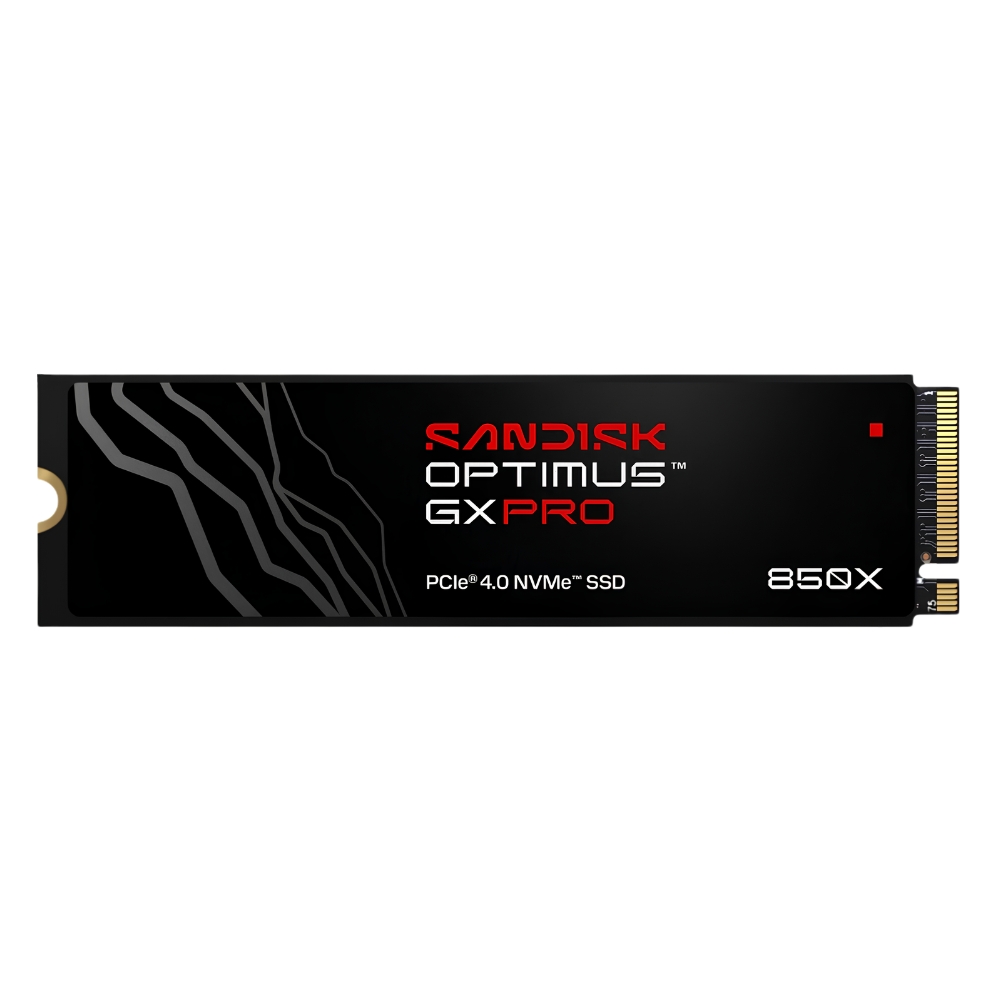
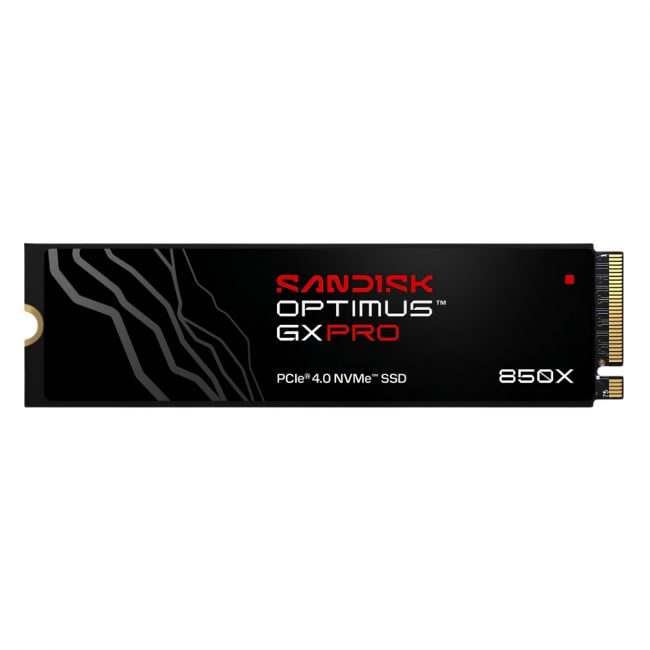
The SanDisk Optimus GX PRO 850X 2TB SSD provides internal storage in an M.2 2280 form factor with PCIe Gen4 x4 interface support and NVMe 1.4 protocol, offering a substantial 2TB capacity for modern computing needs. |
General Information |
|
|---|---|
| Brand | SanDisk |
Technical Information |
|
|---|---|
| Capacity | 2TB |
| NAND Flash | Triple-Level Cell (TLC) |
| Memory Technology | Triple-Level Cell (TLC) |
| Form Factor | M.2 2280 |
| Hot Swappable | No |
| Hot Pluggable | No |
Physical Characteristics |
|
|---|---|
| Weight | 0.60 |
| Condition | Refurbished |
Product Description |
|---|
The SanDisk Optimus GX PRO 850X 2TB SSD is an internal storage device that fits into M.2 2280 slots and uses the PCIe Gen4 x4 interface to deliver enhanced data transfer capabilities. It supports the NVMe 1.4 protocol, which is optimized for efficient communication with modern operating systems and hardware. This SSD is generally used in systems requiring large capacity and high-throughput storage solutions, such as workstations or high-end desktops. IT professionals and technical users deploying internal storage upgrades can benefit from its specifications. Key Features
This SSD serves as a key component for expanding internal storage in compatible systems, providing ample space and leveraging PCIe Gen4 technology. Its use of NVMe 1.4 supports modern storage commands, fitting into workflows requiring solid-state storage with contemporary interfaces. |
Use Cases |
|---|
This SSD is typically used in desktop or workstation environments where a large internal storage capacity and PCIe Gen4 interface are supported. It is suitable for technical users requiring expanded storage with up-to-date interface standards. How It's Used:
This SSD functions as a critical storage expansion component, supporting workloads that benefit from PCIe Gen4 throughput and NVMe protocol efficiencies. It fits use cases where internal high-capacity storage is necessary. |
FAQ's |
|---|
|
 Shipping Options
 International Delivery
Requires a UPS, FedEx, or DHL account. Customers may arrange pickup from our US warehouse.
 Payment Methods
We accept Visa, Mastercard, AMEX, Discover, and Wire Transfer.
 Purchase Orders
We process purchase orders for government agencies, enterprises, data centers, and SMBs.