

Subscribe To Our Newsletter!
Subscribe to the newsletter to stay up to date with the latest news and most useful
Newsletter
↑
Back to Top



Product Overview |
|---|
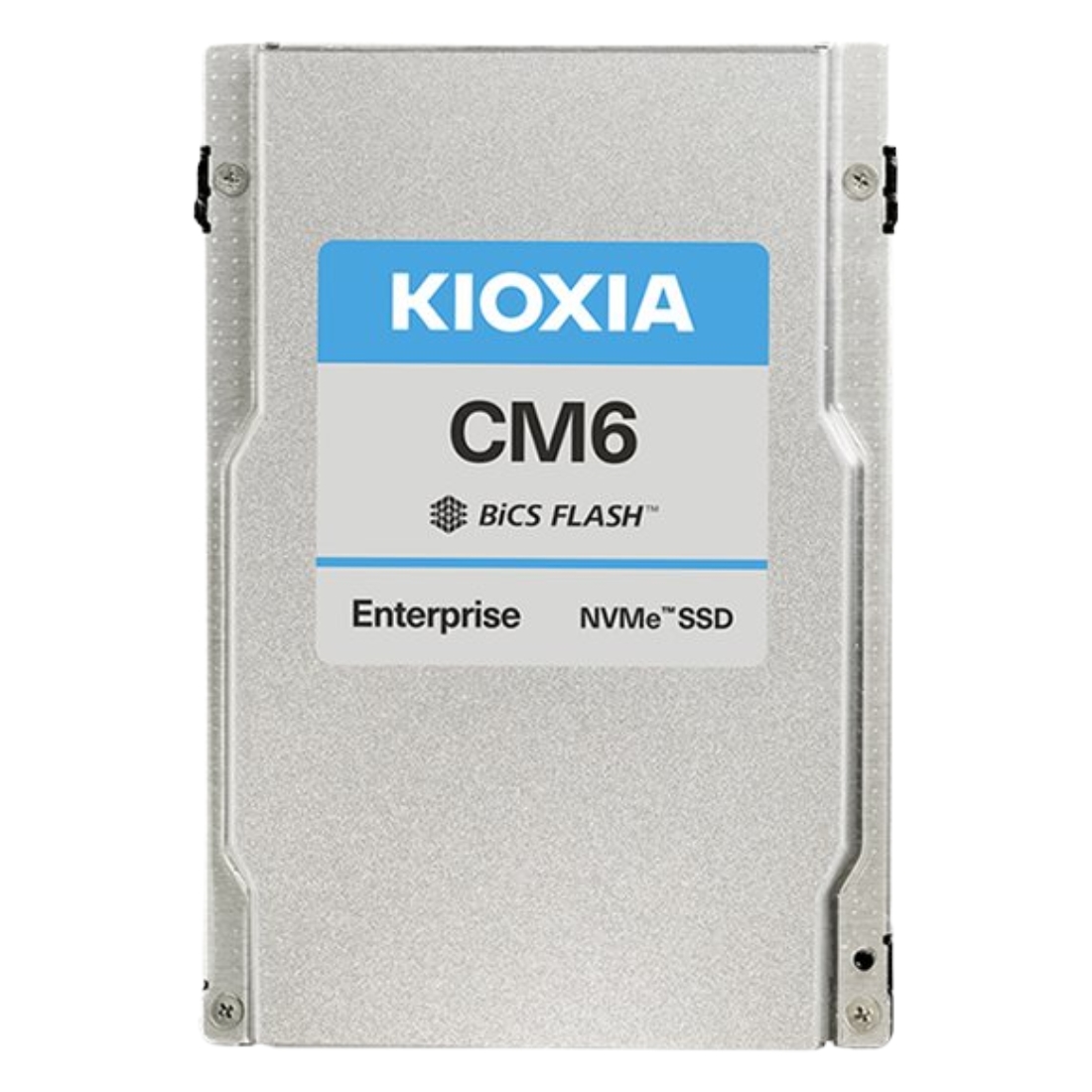
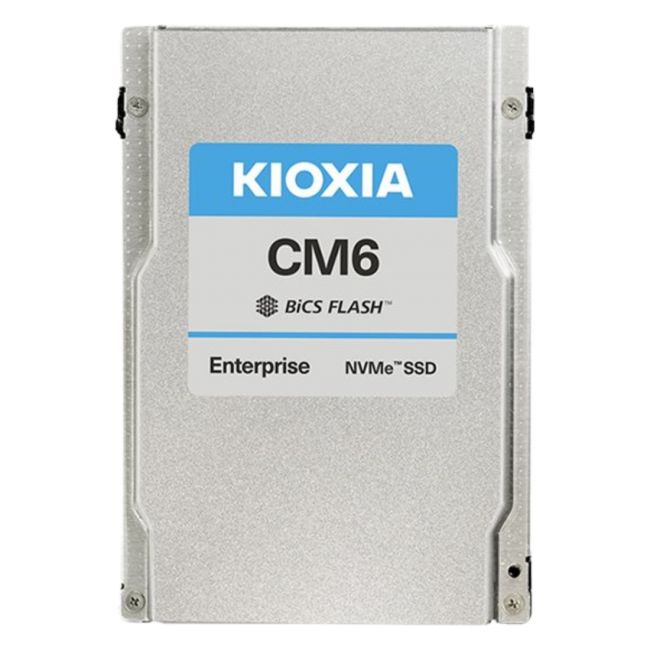
The Kioxia CM6-V 12.8TB PCIe 4.0 x4 NVMe Mixed-Use SSD is designed for enterprise environments requiring large-capacity storage with balanced read/write performance. It fits into systems supporting PCIe 4.0 and NVMe, particularly Dell OEM platforms, delivering consistent throughput for mixed workload applications. |
General Information |
|
|---|---|
| Brand | Kioxia |
Technical Information |
|
|---|---|
| Capacity | 12.8TB |
| NAND Flash | Kioxia BiCS FLASH 3D Triple-Level Cell (3D TLC) |
| Memory Technology | Triple-Level Cell (TLC) |
| Interface | PCIe Gen 4.0 x4 |
| MTBF | 2000000 |
| Hot Swappable | Yes |
| Hot Pluggable | Yes |
Performance |
|
|---|---|
| Max Sequential Read | 7000 MB/s |
| Max Sequential Write | 3900 MB/s |
| Random Read | 1100000 IOPS |
| Random Write | 220000 IOPS |
| Endurance (TBW) | 23360 |
Physical Characteristics |
|
|---|---|
| Dimensions | 15 x 69.85 x 100 mm |
| Weight | 0.60 |
| Condition | Refurbished |
Product Description |
|---|
The SDFHQ81DSB02T is a Kioxia CM6-V series solid-state drive featuring a large 12.8TB storage capacity. It operates over a PCIe 4.0 x4 interface and supports the NVMe protocol, making it suitable for mixed-use workloads that require balanced read and write performance. This drive is commonly deployed in enterprise environments where high-capacity and sustained throughput are critical. It is particularly utilized by organizations using Dell systems compatible with this OEM model. Key Features
This SSD provides a suitable solution for enterprise IT infrastructure requiring large-scale storage with consistent performance across mixed workloads. Its design supports various applications needing both capacity and efficient access times. |
Use Cases |
|---|
This SSD is typically employed in data centers and enterprise storage arrays where high capacity and versatile workload handling are essential. It supports environments managing databases, virtualization, and mixed transactional and analytical workloads. How It's Used:
Its role is to provide robust storage capacity while maintaining performance stability across diverse operational demands, fitting into infrastructure that requires reliable mixed workload support. |
FAQ's |
|---|
|
 Shipping Options
 International Delivery
Requires a UPS, FedEx, or DHL account. Customers may arrange pickup from our US warehouse.
 Payment Methods
We accept Visa, Mastercard, AMEX, Discover, and Wire Transfer.
 Purchase Orders
We process purchase orders for government agencies, enterprises, data centers, and SMBs.