

Subscribe To Our Newsletter!
Subscribe to the newsletter to stay up to date with the latest news and most useful
Newsletter
↑
Back to Top



Product Overview |
|---|
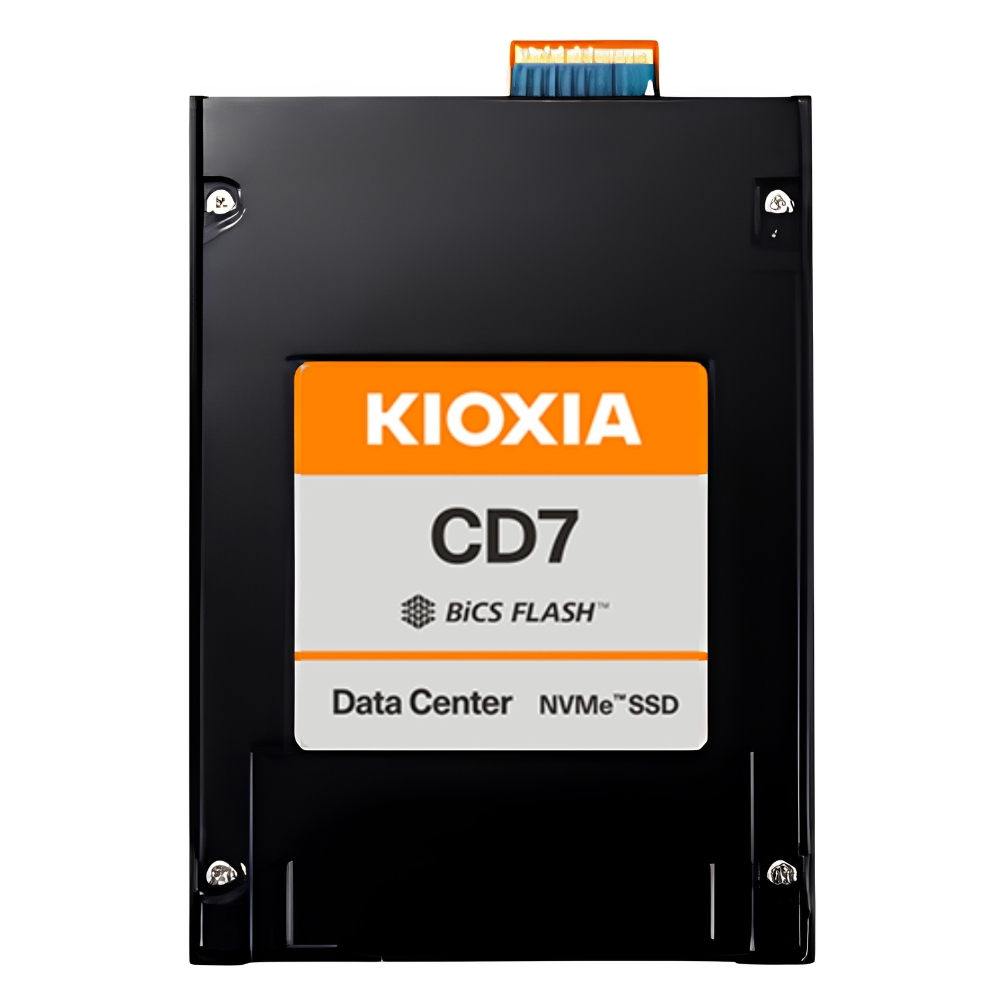
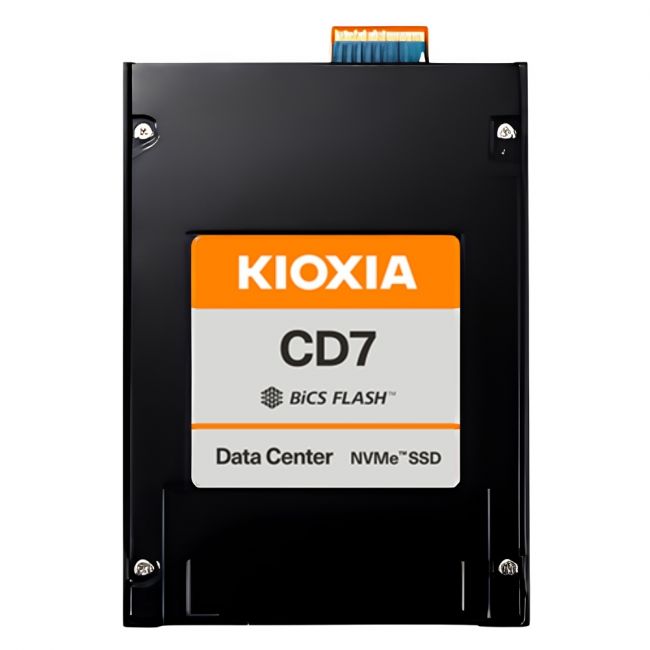
The Kioxia CD7-R SDF2B84DAB01T is a 3.84TB PCIe 5.0 x4 NVMe 1.4 SSD in an E3.S 7.5mm form factor. It is intended for Dell OEM systems and optimized for read-intensive workloads, integrating the latest interface and protocol standards for contemporary enterprise storage. |
General Information |
|
|---|---|
| Brand | Kioxia |
Technical Information |
|
|---|---|
| Capacity | 3.84TB |
| NAND Flash | Kioxia BiCS5 |
| Memory Technology | Triple-Level Cell (TLC) |
| Form Factor | E3.S |
| Interface | PCIe Gen 5.0 x4 |
| Hot Swappable | Yes |
| Hot Pluggable | Yes |
Physical Characteristics |
|
|---|---|
| Dimensions | 7.5mm x 31.5mm x 111.5mm |
| Weight | 0.60 |
| Condition | Refurbished |
Miscellaneous |
|
|---|---|
| Eco Friendly | Yes |
| Compliance Standards | WEEE, RoHS, CE, FCC, UL |
Product Description |
|---|
The Kioxia CD7-R SDF2B84DAB01T is a solid-state drive designed to provide high-capacity storage with a focus on read-intensive applications. It uses the latest PCIe 5.0 x4 interface to deliver improved data transfer rates while maintaining compatibility with NVMe 1.4 standards. This SSD fits the E3.S form factor with a 7.5mm height, making it suitable for Dell OEM platforms that require compact yet robust storage solutions. It is commonly utilized in data centers and enterprise servers where large datasets need to be accessed efficiently. Key Features
This storage device plays a critical role in enterprise environments by providing scalable and compatible storage that meets specific Dell OEM requirements. Its design focuses on balancing capacity and read efficiency to support various data-driven applications. |
Use Cases |
|---|
This SSD is typically deployed in enterprise data centers requiring robust read performance and large capacity. It fits environments where Dell OEM hardware compatibility is essential, supporting workloads like database querying, content delivery, and analytics. How It's Used:
The SSD supports operational needs where balancing capacity with read efficiency is important. Its form factor and interface ensure it fits specified hardware slots while delivering the necessary performance for enterprise read-intensive applications. |
FAQ's |
|---|
|
 Shipping Options
 International Delivery
Requires a UPS, FedEx, or DHL account. Customers may arrange pickup from our US warehouse.
 Payment Methods
We accept Visa, Mastercard, AMEX, Discover, and Wire Transfer.
 Purchase Orders
We process purchase orders for government agencies, enterprises, data centers, and SMBs.