

Subscribe To Our Newsletter!
Subscribe to the newsletter to stay up to date with the latest news and most useful
Newsletter
↑
Back to Top



Product Overview |
|---|
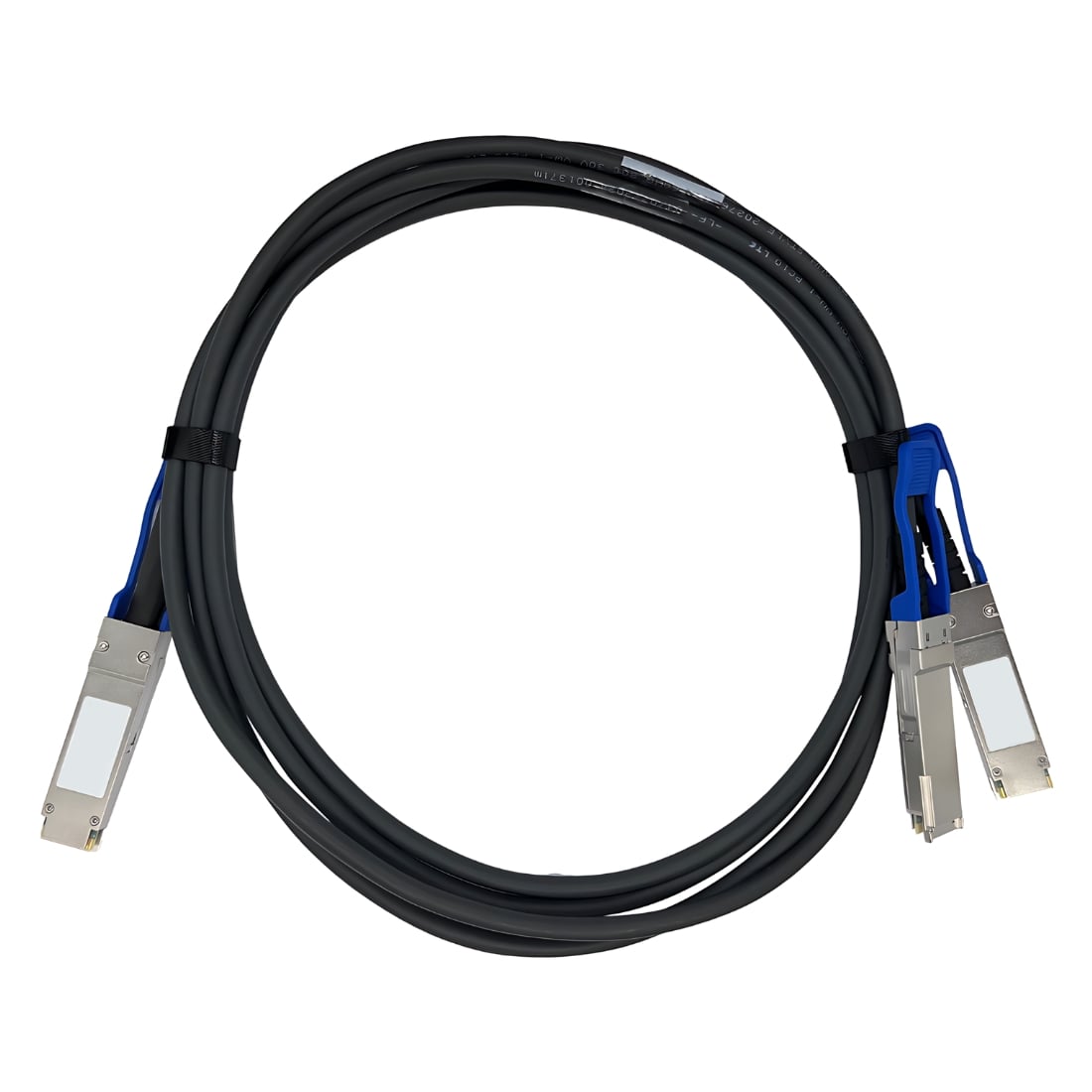
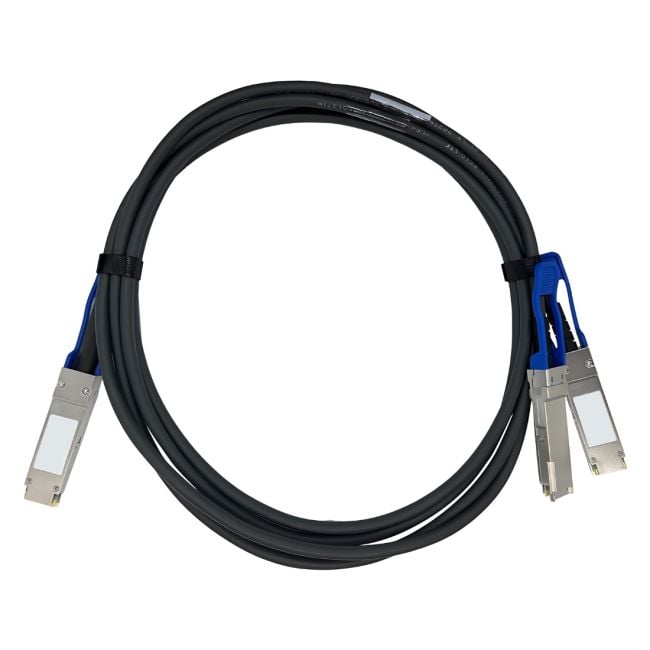
The Lenovo 5m NVIDIA NDRx2 OSFP800 to 2x HDR QSFP56 Active Optical Splitter Cable splits a single high-speed OSFP800 port into two HDR QSFP56 outputs, enabling dual connections over a single link. It fits well in data centers and HPC environments where performance and flexibility are needed without adding extra hardware complexity. |
General Information |
|
|---|---|
| Brand | Lenovo |
| Part Number | SC17B05925 |
| Alternate Part Number | SC17B05925-12-HU |
Technical Information |
|
|---|---|
| Cable Family | DAC/AOC |
| Cable Type | Active Optical Cable (AOC) |
| Data Rate | 800Gbps (OSFP800) to 2 x 200Gbps (2x HDR QSFP56) |
| Cable Length | 5m |
| product type | Active Optical Cable (AOC), Splitter |
| Product Category | Cables |
Connectivity |
|
|---|---|
| Connector A | OSFP |
| Connector B | QSFP56 |
| Cable Connector Gender | Male to Male |
| Connector Type | OSFP800, QSFP56 |
Physical Characteristics |
|
|---|---|
| Form Factor | OSFP800 to 2x QSFP56 (HDR) |
| Weight | 3.00 |
| Condition | Refurbished |
Product Description |
|---|
This Lenovo active optical splitter cable is built to split a single OSFP800 connection into two HDR QSFP56 ports, enabling efficient utilization of high-speed links. It's commonly used in data centers and environments requiring scalable, high-bandwidth networking, especially those running NVIDIA networking solutions. Engineered for IT professionals managing advanced servers or storage systems, this cable helps extend connection flexibility without compromising signal integrity or speed. Key Features
Typically deployed in high-density server racks and HPC clusters, this cable supports efficient data flow across complex systems. Its active optical technology ensures reliable performance in demanding settings where cable length and signal quality are critical. Users appreciate the splitter for simplifying network expansion and reducing hardware requirements without sacrificing throughput. |
 Shipping Options
 International Delivery
Requires a UPS, FedEx, or DHL account. Customers may arrange pickup from our US warehouse.
International Delivery
Requires a UPS, FedEx, or DHL account. Customers may arrange pickup from our US warehouse.
 Payment Methods
We accept Visa, Mastercard, AMEX, Discover, and Wire Transfer.
Payment Methods
We accept Visa, Mastercard, AMEX, Discover, and Wire Transfer.
 Purchase Orders
We process purchase orders for government agencies, enterprises, data centers, and SMBs.
Purchase Orders
We process purchase orders for government agencies, enterprises, data centers, and SMBs.