

Subscribe To Our Newsletter!
Subscribe to the newsletter to stay up to date with the latest news and most useful
Newsletter
↑
Back to Top



Product Overview |
|---|
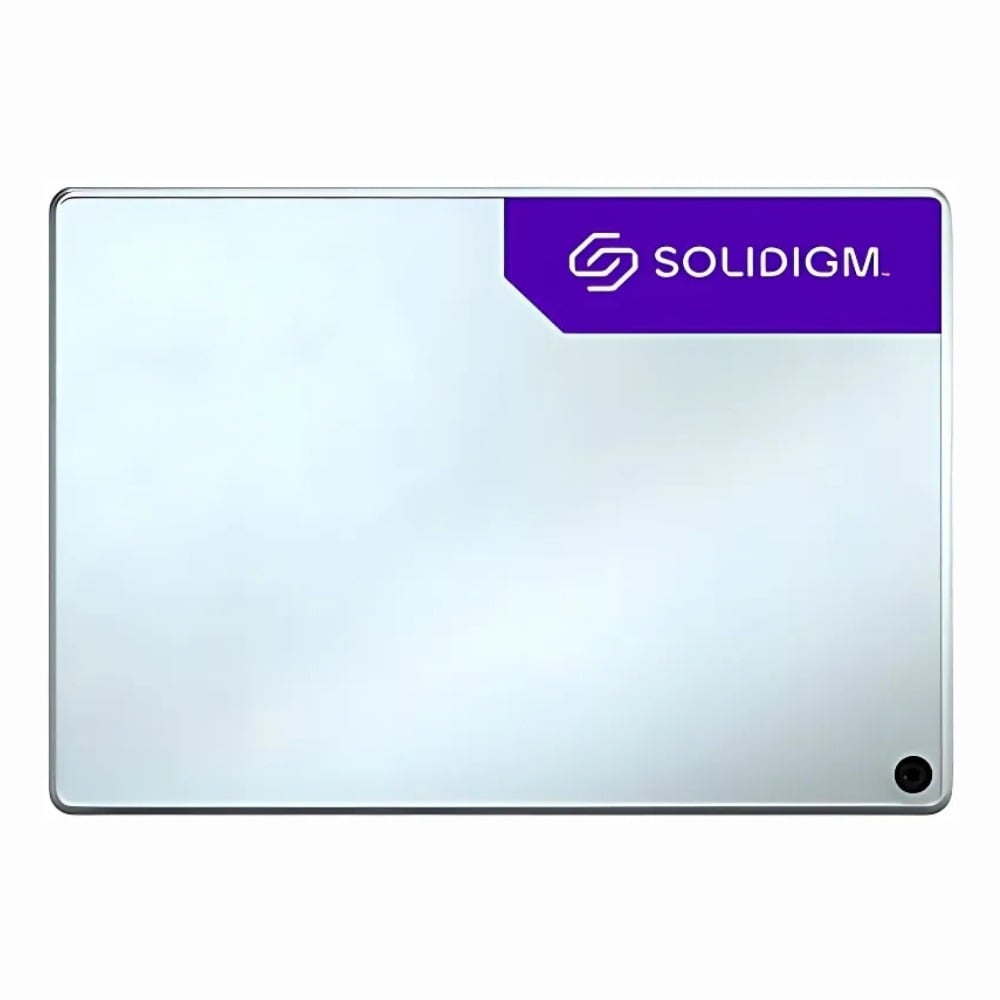
The SOLIDIGM D7-PS1010 7.68TB PCIe Gen 5.0 x4 NVMe V7 TLC 2.5-inch solid-state drive delivers enterprise-grade performance and capacity. It combines cutting-edge PCIe Gen 5.0 technology with robust NAND flash to handle demanding workloads with ease. This SSD ensures reliable, high-speed storage that meets the needs of modern data centers and high-performance computing environments. |
General Information |
|
|---|---|
| Brand | Solidigm |
| Part Number | SB5PH27X076T001 |
Technical Information |
|
|---|---|
| Capacity | 7.68TB |
| Memory Technology | Triple-Level Cell (TLC) |
| Form Factor | 2.5-inch |
| Interface | PCIe Gen 5.0 x4 |
Physical Characteristics |
|
|---|---|
| Weight | 3.00 |
| Condition | Refurbished |
Product Description |
|---|
The SOLIDIGM D7-PS1010 is a high-performance 7.68TB solid-state drive designed for enterprise environments requiring fast, reliable storage. Featuring a PCIe Gen 5.0 x4 NVMe interface, it offers ultra-low latency and blazing data transfer speeds. The V7 TLC NAND technology balances endurance and performance, making it suitable for demanding workloads. Its 2.5-inch form factor allows easy integration into a wide range of enterprise systems. Key Features
This SSD is ideal for businesses that demand high-capacity, fast, and reliable storage solutions to support intensive data workloads and maximize efficiency. |
Use Cases |
|---|
The SOLIDIGM D7-PS1010 7.68TB PCIe Gen 5.0 x4 NVMe SSD is suited for enterprise environments demanding high throughput and low latency storage solutions. It benefits data center operators and IT professionals managing virtualization, analytics, or AI workloads requiring scalable and fast storage. How It's Used:
This SSD enhances operational efficiency by delivering consistent high-speed storage throughput and endurance. Its scalability supports expanding data requirements in complex IT environments, contributing to improved overall system performance and reliability. |
 Shipping Options
 International Delivery
Requires a UPS, FedEx, or DHL account. Customers may arrange pickup from our US warehouse.
International Delivery
Requires a UPS, FedEx, or DHL account. Customers may arrange pickup from our US warehouse.
 Payment Methods
We accept Visa, Mastercard, AMEX, Discover, and Wire Transfer.
Payment Methods
We accept Visa, Mastercard, AMEX, Discover, and Wire Transfer.
 Purchase Orders
We process purchase orders for government agencies, enterprises, data centers, and SMBs.
Purchase Orders
We process purchase orders for government agencies, enterprises, data centers, and SMBs.