

Subscribe To Our Newsletter!
Subscribe to the newsletter to stay up to date with the latest news and most useful
Newsletter
↑
Back to Top



Product Overview |
|---|
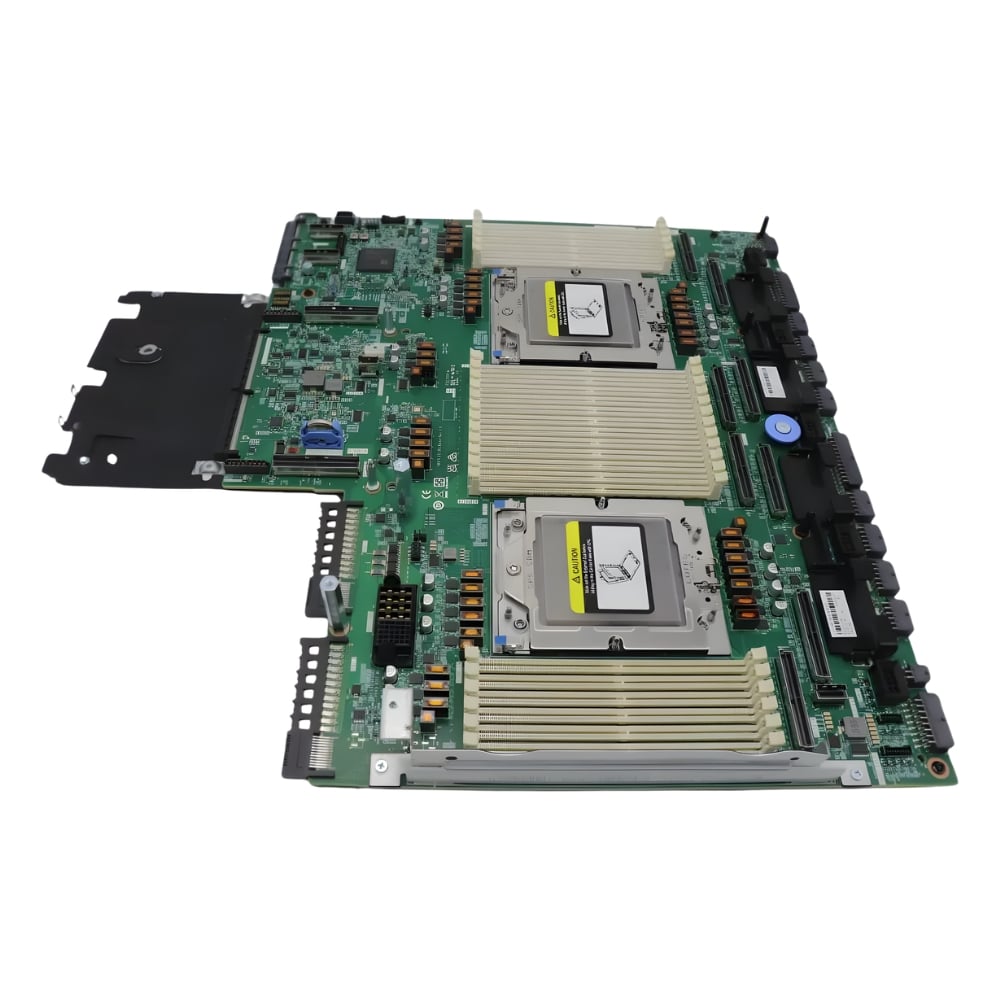
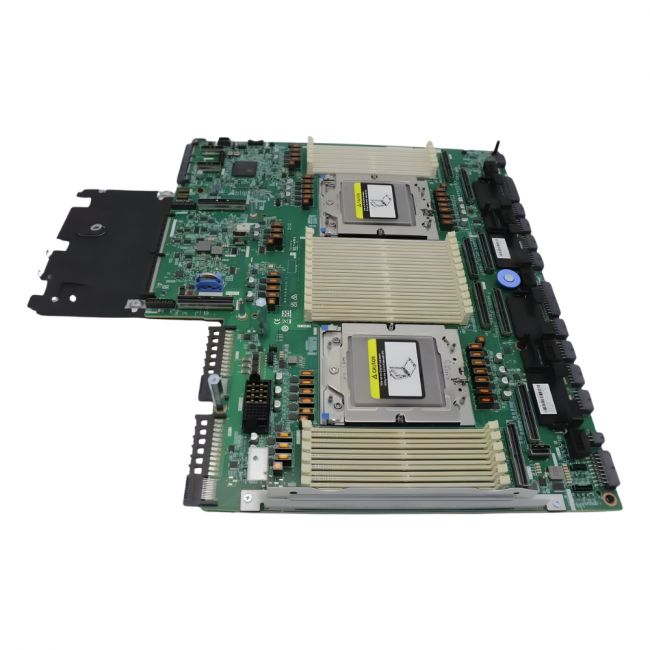
The Lenovo ThinkSystem SR675 V3 system board with battery serves as the backbone of the server, handling processing coordination and hardware communication. It fits into enterprise-grade servers that require dependable hardware management and performance stability for mission-critical applications. |
General Information |
|
|---|---|
| Brand | Lenovo |
| Part Number | SB27B24797 |
| Alternate Part Number | SB27B24797-98-CT |
Technical Information |
|
|---|---|
| Chipset | AMD SP5 (EPYC platform) |
| Compatible Processors | AMD EPYC 9004 Series (Genoa) processors (SP5) |
| Board Socket Type | LGA 6096 (SP5) |
| Memory Slots | 24 |
| Memory Support | DDR5 ECC RDIMM, DDR5 LRDIMM (12 DIMMs per CPU on dual-socket configuration), DDR5 up to DDR5-4800 (CPU/BIOS dependent) |
| Expansion Slots | PCIe 5.0 (x16 capable slots for GPU/accelerators; exact slot count depends on chassis/riser configuration) |
Physical Characteristics |
|
|---|---|
| Form Factor | Proprietary (Lenovo ThinkSystem SR675 V3 - 2U system board) |
| Weight | 3.00 |
| Condition | Refurbished |
Miscellaneous |
|
|---|---|
| Assembly Required | Yes |
| Eco Friendly | Yes |
| Compliance Standards | WEEE, RoHS, cURus, CE, FCC, CCC, UL, TUV, cULus, CSA, cUL |
Product Description |
|---|
This system board is built for the Lenovo ThinkSystem SR675 V3, acting as the main circuit hub to connect critical components in the server. It integrates with AMD EPYC processors to deliver powerful performance for demanding workloads in data centers and enterprise environments. Commonly found in high-density servers, this board supports extensive memory and PCIe configurations, making it suitable for virtualization, cloud computing, and AI applications. IT professionals and system administrators rely on it to maintain robust server operations. Key Features
This system board is typically deployed in enterprise servers where consistent uptime and data integrity are essential. It plays a vital role in sustaining the infrastructure needed for complex computing tasks. By maintaining critical connections and system settings, it helps IT teams keep servers running smoothly without frequent interruptions. |
 Shipping Options
 International Delivery
Requires a UPS, FedEx, or DHL account. Customers may arrange pickup from our US warehouse.
International Delivery
Requires a UPS, FedEx, or DHL account. Customers may arrange pickup from our US warehouse.
 Payment Methods
We accept Visa, Mastercard, AMEX, Discover, and Wire Transfer.
Payment Methods
We accept Visa, Mastercard, AMEX, Discover, and Wire Transfer.
 Purchase Orders
We process purchase orders for government agencies, enterprises, data centers, and SMBs.
Purchase Orders
We process purchase orders for government agencies, enterprises, data centers, and SMBs.